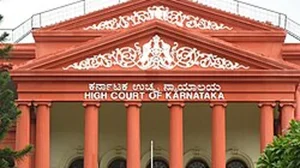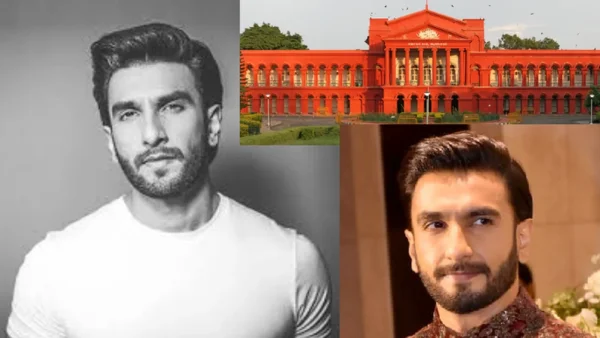
The Karnataka High Court gave Ranveer Singh this temporary protection from being forced to appear in court or be arrested, lasting until March tth, 2026. This means the investigation can continue but he won’t be arrested during the questioning. But, he has to completely cooperate with the police. The police have been told not to take any strong actions against him right now.
This protection isn’t final and Singh needs to follow certain procedures. The authorities have to say what they object to and give their version of the facts before the next court date. The court will then try to work out if Singh meant to do something wrong or commit a crime when he said what he did.
Charges, Complaint, and Legal Basis
The case against Singh started with a complaint made in Bangalore, which led to the police filing a report (an FIR) because of his comments at the IFFI film festival. The police used sections of the Bharatiya Nyaya Sanhita, which says his words hurt people’s religious feelings. The person who complained said the imitation made fun of the Daiva or Bhoota Kola tradition which is incredibly important to the culture of coastal Karnataka.
The FIR came about because someone said Singh referred to a revered god as a ghost and copied the special words used in a holy ceremony. The person complaining said the imitation broke the sacred nature of an important and long-held tradition. The government in the state now has to send detailed objections and proof to the court.
Court Remarks on Responsibility of Public Figures
Justice M Nagaprasanna told public figures they need to be careful about what they say about gods and traditions. He said nobody is above the law and saying sorry doesn’t take back words once they’ve been spoken. He said actors create how the public thinks, and they have to be careful about what they do and say both on stage and when speaking publicly.
The judge asked if Singh really understood the culture he was talking about before he said those things. The court said that being influential means you have to take responsibility, and careless words can have a lasting impact. The court also said that even if people forget things, statements are often kept forever on the internet.
Ranveer Singh’s Response and Apology
Ranveer Singh publicly apologized, saying he was trying to praise Rishab Shetty’s acting. He said he respects all cultures and is really sorry if he caused any offense. Singh’s lawyers said the imitation was something he did on the spot to show his appreciation, and wasn’t a deliberate attack on anyone’s beliefs.
Singh’s senior lawyer, during the discussion, brought up the apology and the fact that Singh didn’t mean to be nasty. The lawyers asked the court to think about the situation and that the comment was from one actor to another. The court did acknowledge the apology, but said that the damage done by hurtful words can’t be ignored.
Next Steps and Wider Cultural Context
The court has scheduled another hearing for March 2nd, 2026 to listen to the government’s objections. They have asked the state authorities to send these objections before that date. After that, the court will decide whether to drop the FIR completely or let the case go to a full trial.
This argument shows the conflict between paying respect to something through art and protecting religious customs in India. People who were offended by the imitation said it was disrespectful to the sacred Daiva practices, but others said it was a compliment to the acting. It also demonstrates how quickly a celebrity’s comments can spread on social media and get them into legal trouble.
How the case ends will probably depend on being able to prove what Singh intended, and on finding a balance between freedom of expression and being considerate of people’s religious beliefs. Lawyers who follow these kinds of cases say that courts often consider the situation, apologies and how much actual harm was done. This case will show exactly how much “insult” is legally acceptable and what important people in the culture are responsible for.
Right now, Ranveer Singh is still under scrutiny while he cooperates with the police and waits for the court to make its next decision. What happens in this case will affect how people talk about art, faith, and being held accountable in the future.