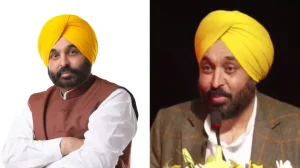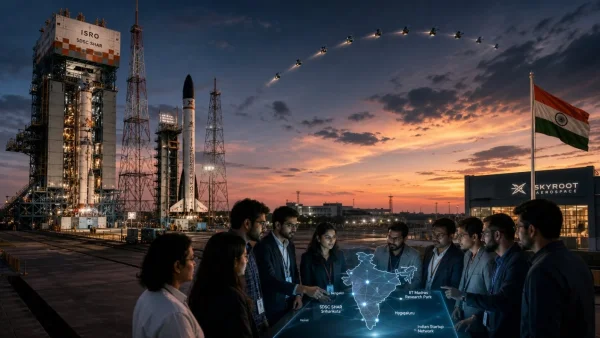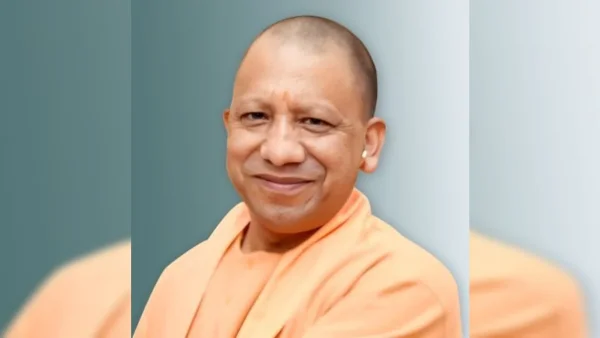
Uttar Pradesh’s Chief Minister, Yogi Adityanath, went to Tokyo to help the state’s relationship with Japan, and had meetings that were a mix of diplomacy – official talks – trying to get investment, and working on technology together. The trip showed Uttar Pradesh as a good place to invest, and stressed working with organisations, and made real possibilities for work on green hydrogen and partnerships at a regional level, with Japanese prefectures.
Talks with Former METI Minister Nishimura Yasutoshi
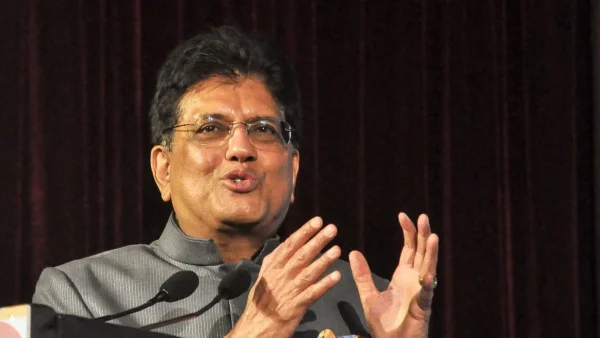
Yogi Adityanath and Nishimura Yasutoshi, who used to be the Minister of Economy, Trade and Industry, met to talk about closer cooperation between Uttar Pradesh and Japan within the India-Japan strategic partnership. The conversations were about organisations working together, economic work together, and increasing contact between people, to help the long-lasting relationship.
The chief minister posted on X that the discussions had been useful, and showed how quickly Uttar Pradesh’s economy was growing, and how it had policies friendly to investors. Nishimura said that the state had changed and showed he was going to help make UP-Japan relationships better, which might make Japanese investors more confident about putting money into the state.
Green Hydrogen and Prefecture-Level Collaboration
Something very important that came out of it all was the focus on working together on green hydrogen, between Uttar Pradesh and Yamanashi Prefecture. Nishimura said that the two governments – and regional people involved, like the governor of Yamanashi – had agreed to use this work as an example for Japan-India regional exchange, and projects to reduce carbon in the environment.
Green hydrogen gives Uttar Pradesh both an environmental and industrial chance, linking energy policy which can be renewed, with investment in making things and moving goods. For Japanese companies good at clean energy technology, the partnership could make small projects to test things, move technology over, and a supply chain based on help from the state government.
Investment Roadshow and Economic Pitch to Japanese Business
At the Uttar Pradesh Investment Roadshow in Tokyo, CM Yogi said UP was a world centre for people skilled in work, and a market of 250 million people who buy things. He pointed to changes in policy over nine years, which were meant to make a predictable system of rules for foreign investment, and for industrial areas.
The chief minister stressed that Uttar Pradesh had good things in terms of its basic services: 95% of India’s fast roads, the biggest rail network in the country, and more air links, with 16 airports inside the country, and four to other countries, now working. He asked leaders of Japanese business to take part in private industrial area plans and programs to build the ability of people.
Strategic and Policy Implications for Japan-India Cooperation
The meetings in Tokyo make the India-Japan Special Strategic and Global Partnership stronger, by adding a state level to it, under the Next Generation State-Prefecture Partnership. This way allows governments below the national level to speed up certain projects, making what local people need fit with what the two countries want in terms of trade, technology and changing to new energy.
For investors and people who make policy, the trip shows there is a chance – and the need to do something about it: clear rules for land, making getting permission easier, programs to develop skills, and working together on research and development for technologies like green hydrogen. Constant work with organisations, and steps in projects that can be measured, will decide if these gains in diplomacy turn into long-term results for the economy.