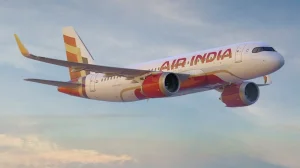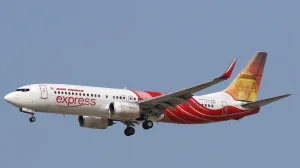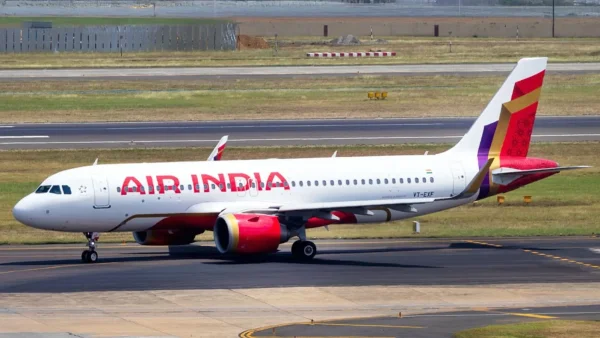
In fact, January had the most technical issues for Air India in at least 14 months. They had 1.09 incidents for every 1,000 flights, compared to 0.26 in December 2024. A private internal report shows 23 problems with over 17,500 flights, and five of those were leaks of fuel or engine oil.
The airline gave this information to the Indian government in February. At least 21 of the problems were officially looked into. Air India says they are making improvements to how flights are run, how people are trained, the quality of the engineering work, and how well the procedures are followed. These problems happened on both Airbus and Boeing planes.
Technical Incidents Reach 14-Month High
These many technical issues included warnings about the engine stopping, problems with the hydraulics, and issues with controlling the flight. Five times there were leaks of fuel or engine oil on the planes. This raises questions about how reliable they are, especially because the airline is growing and rebuilding its routes.
There were also more operational problems in January – 0.29 for every 1,000 flights, which is more than double what it was in December. This includes takeoffs being cancelled at the last minute, being restricted to certain altitudes, and incorrect settings for takeoff. Air India says these operational issues have gone down in the last few months, but they haven’t given details to prove this.
The internal report didn’t have information about Air India Express (the lower-cost part of the airline). It did make some comparisons to what is usual for airlines around the world, but it used information that isn’t available to everyone, so it’s hard to say how Air India’s performance really compares.
Rising Scrutiny After Fatal Crash and Recurring Defects
Since a plane crash last year that killed 260 people, regulators are keeping a closer eye on things. Air India has said it urgently needs to improve how it does things, how people communicate, and how well it follows the rules. The increase in problems in January will likely mean more pressure to fix things quickly and have improvements in safety that can be measured.
The Indian civil aviation ministry told members of parliament that 82.5% of Air India’s 166 planes that were checked from January 2025 had the same technical problems happening over and over. In comparison, IndiGo (the biggest airline in India) had this happen with 36.5% of its planes. The ministry didn’t say what those problems were or how they did the inspections to get those numbers.
If planes continue to have problems, it can increase the risk of something going wrong during the flight and will cost more money, especially as the airline uses its planes more. Regulators are normally interested in problems that happen repeatedly, as this can mean the problems aren’t being found and fixed properly, the parts aren’t good enough, or the maintenance isn’t being done correctly.
Incident Details and Operational Disruptions
One flight from Dubai to Mumbai arrived with a low amount of engine oil. On a different flight, from Delhi to Dubai on January 12th, the toilets and kitchen on the plane didn’t have any water, so the flight had to go back to Delhi. While these weren’t immediately dangerous, they caused problems and made passengers lose faith in the airline.
The many different issues with the flights and the engineering of the planes show there are big problems with the system as a whole. For an airline that is planning to grow quickly, each of these issues uses up valuable maintenance time and changes the schedule, which then causes more delays and cancelled flights.
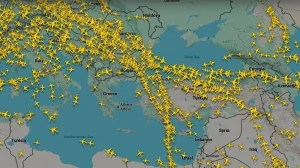
Political problems with Pakistan have also made things more difficult. Pakistan closing its airspace to Indian airlines has meant planes have to go around, and some long-distance flights have been cancelled. Going around takes more fuel and requires the crew to be on duty for longer, which cuts into profits and puts extra stress on being able to use and maintain the planes.
Fleet Modernization Meets Supply Chain Headwinds
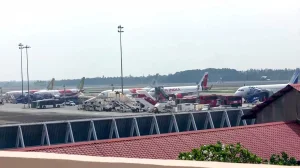
Air India is owned by Tata Group and Singapore Airlines. They have 191 planes and have ordered over 500 more. They want to update the insides of the planes, make all the planes the same inside, and make them more reliable, but it’s been slow to get the parts to do this.
The age and the fact that they have lots of different types of planes makes things complicated. Having a mix of Airbus and Boeing, different seating arrangements, and planes that have had maintenance at different times makes getting the right parts and training the technicians harder. If this isn’t managed carefully, it can make the same problems happen again.
Rebuilding the routes also puts a strain on the airline. Using the planes a lot, quickly adding more flights, and making sure there are enough trained people all need to be in sync. If any of these areas aren’t good enough, technical issues will happen, particularly because they are still figuring out what a “normal” level of reliability is.
Corrective Actions and International Oversight
Air India has started specific engineering work to reduce the number of issues and make the planes more reliable. They have started checking the Airbus A320 planes at certain times. They have also replaced hydraulic hoses for the steering on their Boeing 777s and started regularly checking for air conditioning leaks.
Aviation authorities in other countries are also paying attention. The UK Civil Aviation Authority asked Air India to explain why a Boeing 787 Dreamliner left London with a fuel switch that might have been broken. The plane was later stopped in India to be checked. Air India said they made sure pilots followed the procedures and replaced the throttle control as a precaution.
The report from January shows they are focusing on doing things properly and having good supervision, including stricter quality control. To keep things improving, they need to consistently track problems, find the original cause of them, and honestly report to regulators. Neither Air India nor the Indian civil aviation ministry have publicly commented on the January numbers.
What the Numbers Mean for Travelers and Investors
Having 1.09 technical problems for every 1,000 flights is a big increase from December. Although the actual number of problems isn’t that many compared to all the flights, the fact that the same problems are happening with many planes shows there are deeper reliability issues that need to be addressed for a long time.
For passengers, the problems are more likely to cause delays than to be dangerous, because of all the backup systems and how regulators check things. For people who have invested in the airline, the key thing will be how well they do things: speeding up maintenance, making sure the supply of parts is stable, and creating a culture where following the rules is important. This will lower the number of problems and restore people’s trust.
Whether Air India succeeds depends on getting newer planes and running them well. If they can turn their plans for fixing things into a real reduction in leaks, warnings, and errors in how the planes are operated, they can become reliable. The next few months will show whether their promises will actually lead to lasting improvements.