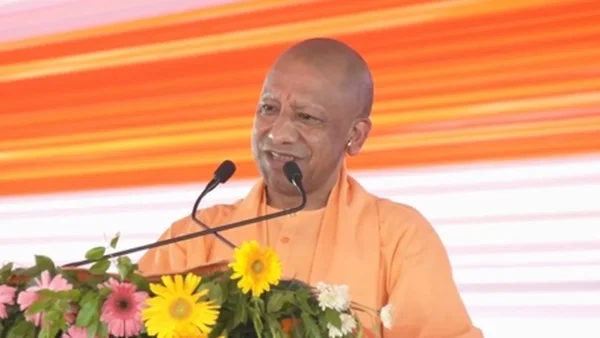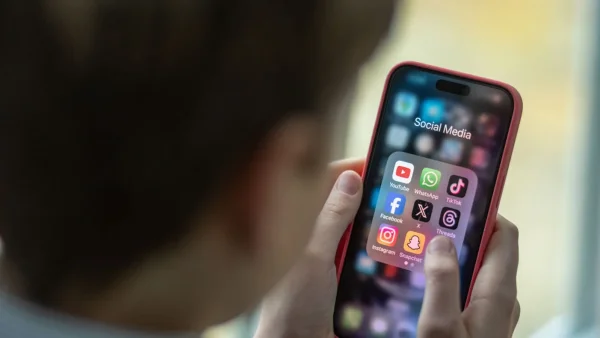
Karnataka is looking at a plan to not allow students who are 16 and younger to use cell phones, because people are becoming more and more worried about kids being hooked on social media – and what that does to their schoolwork and how they feel. The chief minister, Siddaramaiah, brought up the idea when asking university leaders for their thoughts, and it’s started a discussion about whether young people really need easier access to smartphones in school.
The Idea and What’s Going On Politically
The rule that’s being thought about would be for those under 16, and is meant to keep young people from having too much time with digital things when they’re at the ages where they’re developing. People in charge say this is part of a wider effort to get the good things about technology to work with the need for good study skills and safer places to learn.
Leaders of the state are talking with university vice chancellors and others who have a stake in this, before they decide anything. The idea has also gotten to the state legislature, where people in charge have stressed how important it is to have age-based safety on internet sites, and to use new digital tools in a responsible way.
What’s Making People Propose This
Officials are pointing to the increasing number of young people who are obsessed with social media, and connecting a lot of smartphone use with trouble paying attention, grades going down, and problems with mental health. They also expressed worry about young people seeing things online that aren’t right for them, being bothered online, and the possibility of harmful things happening in real life.
The idea follows what people have been recommending in national talks about policy – that it’s good to have age limits and to cut down on too much online teaching, to keep people from getting addicted to digital things. People who support the idea say that limiting devices in schools can keep students safe from harmful things, while helping them to learn from each other in person and develop socially.
Talking to Teachers and What Might Be Hard to Do
Several vice chancellors said they were for the idea, but some warned about practical problems – especially in private and fancy schools where phones are used to give homework, share things, or talk to parents. Those schools might find a complete ban to mess up the way they currently teach and run things.
The chief minister answered by saying to pay attention to public schools and students who might be at risk, and who might not get help at home. People making policy will probably think about different ways to deal with fairness, and to keep from causing unintended harm to getting an education and communicating.
What Other States and Countries Are Doing
Karnataka thinking this over is like what’s happening in other Indian states and countries around the world, which are trying out age-based rules. Some governments are looking at rules that would limit how much access young people have to social media, and studies of economic policy have suggested putting in age checks and limits on access to keep children safe.
All over the world, many countries have talked about or put into place steps to cut down on how much young people see social media, and to encourage responsible use of artificial intelligence in schools. These examples from other countries are helping to shape how possible rules might be made in India.
Other Choices Besides a Full Ban
People making policy are considering a number of tools: age gates on sites, stricter rules about devices in schools, classes about knowing how to use digital things, and ways to help people with their behavior. The state is also talking to people who have a stake in this about how to encourage responsible use of AI and social media by children.
A program run by the state to get people to detox from digital things – and done with people in the business world – has reportedly reached hundreds of thousands of students and tens of thousands of teachers. These programs put together training to make people aware, getting parents involved, and rules for the classroom, to lower the use of devices that people feel they have to use, without cutting students off from useful tools for learning.
Possible tech steps include parental controls, time limits, and school networks that are managed to limit access during class. Any law or rule would have to balance privacy, being able to make it work, and the legitimate use of cell phones for education.
What Happens Next and What This Means for Schools and Families
Officials will continue to talk with teachers, school administrators, parents, and people in the technology world before making a policy official. If it’s put into place, the approach could change how school life is every day, how classrooms are run, and how teachers give and share learning materials.
For parents and teachers, the discussion shows how important it is to have clear advice on healthy screen habits, and to have resources to help put it into practice. Whether Karnataka chooses a ban or a mix of steps, what happens will likely affect national talks about how to keep children safe in an age that’s more and more digital.