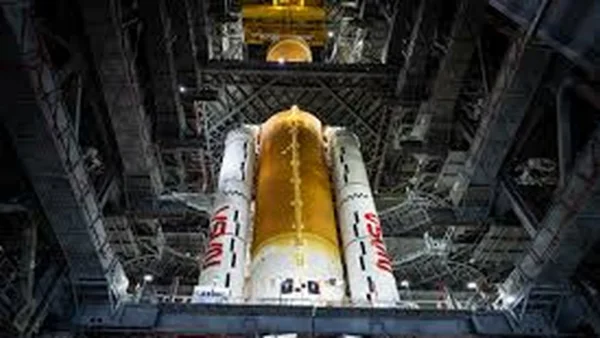
NASA head Jared Isaacman stated on February 21st that a March launch for Artemis 2 wasn’t going to happen; engineers had found a problem with helium getting to the Space Launch System’s top part. This was found after a good wet dress rehearsal, and NASA groups are getting the rocket and Orion ship ready to go back to the Vehicle Assembly Building.
First Actions and What the Agency Said
Isaacman explained that the helium issue would probably mean the March launch date couldn’t be used, and said a complete report was coming very soon. He understood people would be let down, and gave credit to the people who had been working on the mission. The announcement followed normal changes after the test, and the helium problem showed up when people looked at the information overnight.
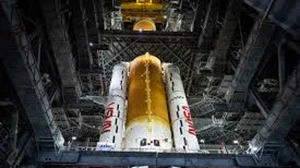
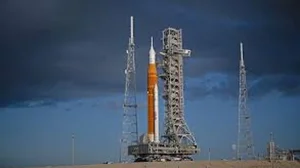
NASA teams began getting ready to take away the access ways put up at Launch Pad 39B to make sure they didn’t limit what they could do to fix the issue. These access ways can’t be taken down when there are high winds, so there’s only a short time to get ready to move the rocket back. Engineers made sure everyone knew the vehicle was still in a safe position and that backup systems were keeping things safe.
What the Helium Problem Is
The trouble is with helium flow to the interim cryogenic propulsion stage – the part that puts pressure on the liquid hydrogen and liquid oxygen tanks, and helps the engines work. Helium problems are taken very seriously as they affect tank pressure, getting the engines ready, and launch safety as a whole. Any problem needs to be fixed before people are flown.
The teams said the wet dress rehearsal got to T minus 29 seconds without any clear leaks, and people working the test used a second way to make sure the environment stayed safe after the test. Engineers are looking at a number of things that could be causing the issue, including where the ground and rocket lines connect, a valve in the top part, and a filter between the ground systems and the rocket.
Looking at the Information and How They’re Fixing It
Engineers are going through the information from the recent test and comparing it to Artemis I information – when similar helium pressurization issues were looked at before. This will show if repairs need the rocket to go back to the Vehicle Assembly Building, or if they can be done on the pad.
Teams are getting ready for both options to keep all choices open. Getting the vehicle ready to go back involves careful steps and thinking about the weather. Wind forecasts near the Cape made people speed up taking down the pad access ways. If the rocket goes back to the VAB, people will do careful checks and any needed repairs, which could make the mission take weeks or months longer.
How the Schedule and Crew are Doing
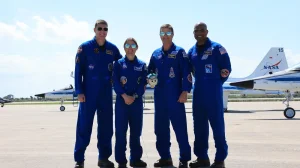
NASA had said March 6th was the earliest the launch could be, and the four astronauts had gone into quarantine in Houston. With the helium problem being looked at, March isn’t likely, but people at NASA say April might still be possible depending on what’s found and how long repairs take.
Keeping people safe is the agency’s main concern for a crewed flight around the moon. If a rollback is needed, mission planners will look at the launch schedule and what needs to happen again. Delays could affect training, what ground support does, and working with other countries’ space programs. NASA said that being sure about the engineering would decide any new launch date, not what the calendar says.
What Artemis is and What Other Countries are Doing
Artemis 2 is a very important step toward people landing on the moon under the Artemis program, and came after Artemis I, which launched in 2022 after a number of delays. The agency has had a lot of technical problems across the program, and engineers have often said how hard it is to put together big cryogenic systems for missions with people on them.
Other countries are also making progress with moon programs, including robot missions and tests of ships with people on them. These efforts give a bigger idea of how Artemis is doing, but don’t change NASA’s promise to test things carefully and keep people safe. People at NASA will keep giving updates as they look at the information and make plans in the next few days.