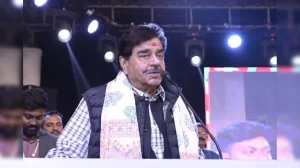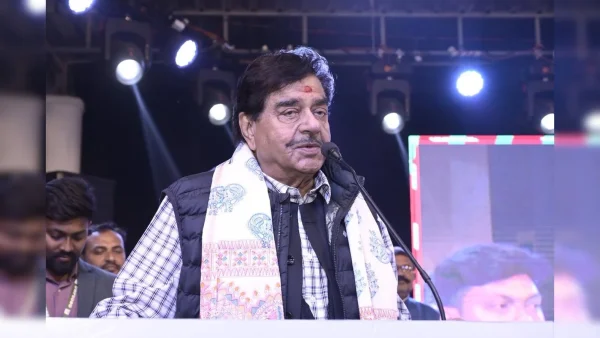
Well-known actor and politician Shatrughan Sinha got a temporary win from the Bombay High Court; the court has stopped anyone from using his name, picture, voice – and his famous line ‘Khamosh’ – without permission, on the internet. The order means that anything online using his identity, without his okay, must be taken down at once, and nothing new of that kind can be put up.
Court gives temporary protection, demands removal of content
On February 16th, Justice Sharmila Deshmukh gave these directions while listening to Sinha’s request to have his personality rights protected. The court told websites and social media sites to get rid of content which uses Sinha’s identity, if they don’t have his agreement.
The court also thought, at first look, that his rights were being broken – the things Sinha gave to the court showed that his name, how he looks and who he is, were being misused. The case will be heard again on March 30th, to decide on lasting protection and wider solutions.
‘Khamosh’ – a key part of what the public knows him as
The High Court made the point that the line ‘Khamosh’, said in Sinha’s own way, is now very closely linked to how people see him as an actor. The ruling stated that this particular saying, the way he says it, and his style, all deserve protection as part of his public persona. This link is important, as fans, people who advertise, and people who make content, often take or copy well-known lines.
The court decided that using this sort of material for money, without permission, could hurt the good name and trust he’s built up over many years.
The internet, AI and the increase in content used without permission
Judges pointed out how the fast growth of the internet makes it easier to make money from a celebrity’s identity, when it shouldn’t be. False social media accounts and pictures made by AI were picked out as new dangers to personality rights. The order made note of times when artificial intelligence had been used to change Sinha’s face, or make changed pictures and videos. The court warned that these digital fakes could damage his good name and really take his voice and style.
Personality rights and what the law means for those who make content and the platforms
The ruling makes clear that personality rights include having exclusive use of your name, style, voice and picture. Courts are more and more treating these as things that can be protected, as business and personal interests, in the digital world.
This decision means that people who make content, advertisers and platforms, must be much more careful before using a celebrity’s line or likeness. Using things without permission can now cause the court to order it stopped, content removed, and maybe even money paid in damages if harm is shown.
What happens next, how it’s put into practice and the wider effect on the business
With the next hearing on March 30th, the court may give a permanent order stopping things, and more safety against AI misuse. Platforms will probably have to take up quicker ‘notice and removal’ rules to follow these orders.
The judgment might make talent managers and advertisers ask for clearer permission when using lines or ways of acting that people will know. It also adds weight to asks for legal and tech ways to stop deepfakes and protect the image rights of famous people. This ruling finds a balance between artistic copying and making money, and someone’s privacy.
For people well-known to the public, it shows that famous lines and a special way of speaking, are part of an identity which is protected and can’t be used without agreement.