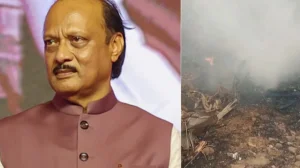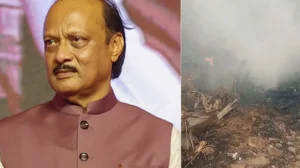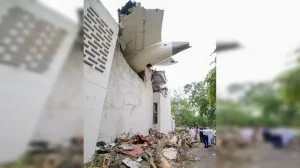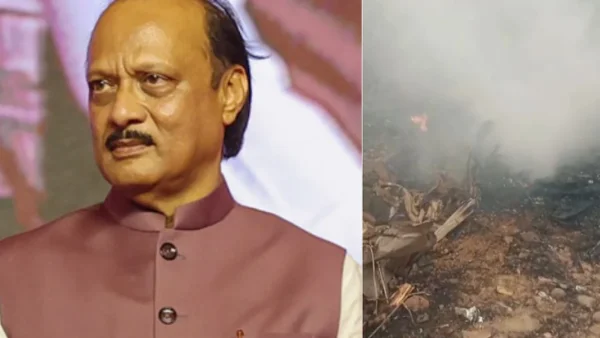
The first report on the airplane accident – the one that resulted in the death of NCP leader Ajit Pawar and four other people – should be out by February 28th, according to Murlidhar Mohol, minister of state for civil aviation and MP for Pune. The Learjet 45 came down on January 28th, not far from Baramati airport, and right away, the authorities began a proper investigation.
How the investigation has progressed, and what the authorities are doing
The DGCA – Directorate General of Civil Aviation – and the civil aviation ministry gave themselves thirty days to get a first report out. Teams from the government got the wreckage, and details from the flight data recorder and the cockpit voice recorder, at the place where the plane crashed.
These first jobs are the core of any investigation into a plane accident. Experts in the technical side will look at records of the plane’s upkeep, the history of the aircraft, and what qualifications the crew had. They will also go through recordings of air traffic control, the weather at the time, and radar information. Usually, a first report just gives the known facts and when things happened, and doesn’t say what caused the crash.
Claims made, and requests for an investigation which isn’t run by the government
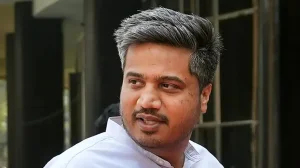
Because of the accident, people and politicians have been looking at it very closely. Rohit Pawar – an MLA and Ajit Pawar’s nephew – gave a number of briefings where he said the company which owned the plane, VSR, had been doing things wrong. He pointed to problems with the aircraft’s technology, and said that someone might have deliberately caused the crash.
Rohit Pawar wrote to the prime minister asking the civil aviation minister to resign until the investigation was over. He wanted a body which was not connected to the government, and was good at what it did, – maybe with help from people in other countries – to check links between VSR and people in politics. He also sent the letter to the union home minister.
What the government has said, and promises about openness
Murlidhar Mohol stressed that the DGCA had put out a statement explaining what the investigation would cover. He said the top aviation body had been open and honest, and the first report would be available to everyone. Mohol didn’t want to say anything about the claims made, or ask for more action from politicians.
The civil aviation ministry had already said that a first report would be available within thirty days of the accident. Officials said getting the first findings out quickly helped to stop people guessing, and supported safety advice where things needed to be done at once.
What people should expect to find in the first report
People should expect a factual story of the flight, how things happened in the order they did, and the first technical things which have been found. The report will probably sum up data from the flight recorders, what the crew said to each other, what ATC said, and the records of the plane’s upkeep.
It might also say what the weather was like, and any safety worries which came up straight away. A first report usually doesn’t say what definitely caused the crash. Investigators use it to point out safety risks which are urgent, and to give immediate advice on what regulations should be. The final report – which can take months – will have a full analysis and advice.
What the accident might mean for aviation safety, and the rules about flying
If investigators find that maintenance, checking, or how the people who ran the company did their jobs, were not good enough, the people who make the rules might order checks, or put limits on what the company could do.
What is found could lead to wider looks at charter flights, how pilots are trained, and how the upkeep of aircraft is checked. It’s also possible that there will be political results if the investigation finds links between private companies and powerful political groups. Asking for help from international bodies which aren’t connected to the government shows how technical investigations can affect how much the public trusts the government, how it is run, and changes to the rules.
People are still very interested in the Ajit Pawar plane crash. The DGCA's first report – which is due on February 28th – will give the first official account of what happened. The authorities say being open and doing a careful technical analysis are at the heart of getting back people’s trust, and stopping future tragedies.