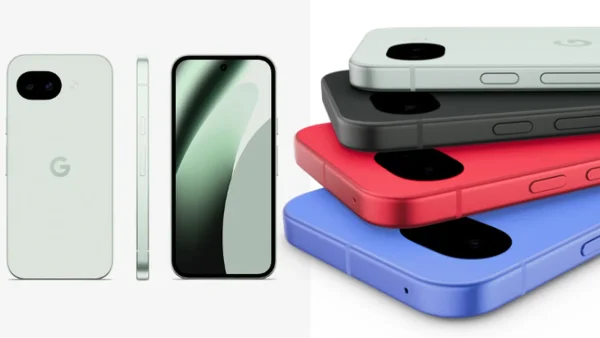
The Google Pixel 10a is the latest in the A-series line of phones, using the usual approach: pure Android, good cameras, and useful AI – all at a middle-range cost. Though it’s quite similar to the Pixel 9a when you look at the details, Google has made some improvements in toughness, screen brightness, security, and charging. Here’s a straightforward, specs-based comparison to help you decide.
Price and availability
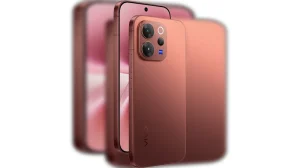
In India the Google Pixel 10a is Rs 49,999, and the Pixel 9a is now Rs 39,999. Both are for sale through Flipkart, Google’s own web store, and regular stores. You can now pre-order the Pixel 10a, and it goes on sale March 6th. It comes in Lavender, Obsidian, Fog and Berry. The Pixel 9a is available in Iris, Porcelain, and Obsidian.
Both phones start at $499 in the US, so Google is keeping the A-series price the same as last year. If you’re looking at both phones in different countries, or are waiting for a sale, this is important. A special deal only in India is the Google Pixel Upgrade Program. It began in late 2025 with the Pixel 10 line, and provides no money down, no-interest monthly payments, and a chance to upgrade after nine payments.
The Pixel 9a isn’t a part of this. Storage options are a little different. The Pixel 9a comes with 8GB RAM and either 128GB or 256GB storage. The Pixel 10a, in India, has 8GB RAM with 256GB storage.
Design and durability
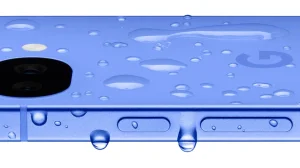
It’s hard to tell the two phones apart at first. They both have Google’s simple style and IP68 dust and water protection. The main change in appearance is on the back: the Pixel 10a’s camera bar is flatter, with hardly any sticking out. Toughness is the biggest upgrade. The Pixel 10a has Corning Gorilla Glass 7i on the screen.
Google says this is the most tough A-series so far, and promises better resistance to scratches and drops than the Pixel 9a’s Gorilla Glass 3. The 10a also loses a little weight. It’s about 183 grams, compared to around 185 grams for the 9a – depending on which version. The difference isn’t large, but it adds to the 10a’s slightly more polished feel in your hand.
Display and multimedia
Both phones have a 6.3-inch OLED with a smooth 120Hz refresh rate, but the screen on the Pixel 10a is brighter and more vivid. The highest brightness goes up to about 3,000 nits on the 10a, from about 2,700 nits on the 9a – this makes it easier to see outside. HDR brightness is also better on the 10a, making scenes with a lot of contrast look more real.
Contrast is rated at over 2,000,000:1 on the Pixel 10a, almost twice the Pixel 9a’s already good number. Blacks should look blacker, and dark scenes should have a little more detail. These aren’t huge changes, but a complete re-design. Most people will notice the difference most in bright sunlight, or when watching HDR video. If you care about being able to read the screen outside, the 10a’s screen is the best.
Performance, software, and AI
There is almost no difference in speed. Both the Pixel 9a and Pixel 10a have Google’s Tensor G4 and 8GB of RAM, so things should feel the same in everyday use. Doing several things at once, opening apps, and using AI features on the phone will be the same on both.
Software is where the phones differ in how long you’ll be able to use them. The Pixel 10a comes with Android 16 and is promised seven years of OS and security updates – taking you to 2033. The Pixel 9a, like the 10a, will get seven years of updates – until 2032, though a little before the 10a. Pixel intelligence is key to what both phones do; you’re getting the main set of Google AI tools for voice, translating, and clever photo work. The 10a has a wider range of features and will have those features current for longer because it’s supported an extra year.
Cameras and photo experience The camera hardware is what you’re used to – both phones have a 48MP main camera and a 13MP ultrawide, as well as a 13MP camera for selfies. Still, the work the phones do with the images themselves is important, giving consistent colour, range in light and dark, and good low-light pictures that do well for the money.
The Pixel 10a is better in terms of software. It adds Camera Coach to help with how you hold the phone and what you do, Macro Focus for really close shots, and Auto Best Take, which puts the best faces from a quick series of photos into one picture.
These make it simpler to get good group photos and detailed shots. If you mostly take still photos and depend on Google’s image work, both phones will do. The 10a’s extras make it a bit easier to get the picture, mainly for photos for social media and quick work without using another app.
Wireless charging is also a little better
Battery, charging, and safety The battery is still 5,100mAh, but the Pixel 10a can go longer between charges. Extreme Battery Saver is meant to last up to 120 hours on the 10a, against 100 hours on the 9a, so you have more time in a pinch. Charging is changed in a real way. In India, Google says the Pixel 10a can be charged at up to 45W with a wire, as against 30W on the Pixel 9a.
10W on the Pixel 10a with Qi EPP chargers, against 7.5W on the Pixel 9a. If you charge overnight, you’ll feel little difference, but the faster wired charging on the 10a makes quick top-ups quicker. The wireless boost is not large but is good to have if you keep a stand on your desk or bedside table.
Safety gets its biggest step forward with Satellite SOS on the Pixel 10a. Because of a newer modem, it can get to emergency help through satellite when you are not within range of phone networks or Wi-Fi. If you go hiking, travel in places far from towns, or drive long distances in the country, this is a very good thing to have. The 10a’s stronger glass also makes it last longer.
With IP68 and the brighter screen, it is the more solid phone for everyday use. The main thing is simple. If you have a Pixel 9a now, performance and the main camera quality will feel the same. It makes sense to get the new one if you want Satellite SOS, stronger Gorilla Glass 7i, a brighter screen, faster charging, longer Extreme Battery Saver, and one more year of updates.
New buyers or people moving from an older Pixel will find the Pixel 10a the better long-term choice at the same $499 price in many places. If you are watching your money in India, the Pixel 9a is still a good deal, especially when on sale, giving the main Pixel experience for less. For most people choosing today, the Google Pixel 10a is the safer choice for how long it will last, safety, and how long it will be supported.
The Pixel 9a still does the main things well and leaves more money in your pocket. What you choose should come down to how much you value stronger glass, faster charging, and being ready for an emergency.