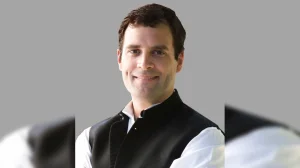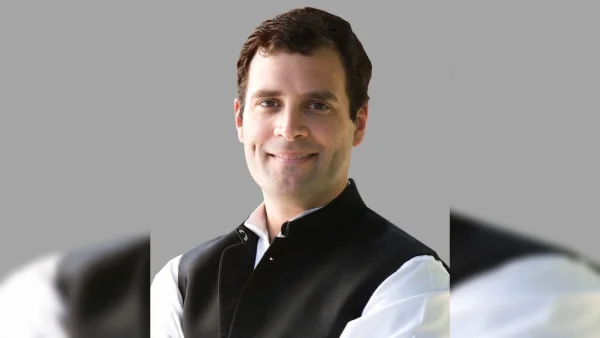
Rahul Gandhi has strongly criticised the supposed India-US trade agreement, using a comparison to jiu-jitsu to suggest Prime Minister Narendra Modi is under unseen influences – what he called political ‘grips’ and a ‘choke’. In a video put on social media, the Opposition Leader said that these influences aren’t obvious to people, but do affect what decisions in policy are made.
Rahul Gandhi’s jiu-jitsu comparison explained
Gandhi said he used jiu-jitsu as the sport uses grips and chokes to win control of someone. He made the point that politics works in a similar way, with power used in ways that most people are unable to easily notice. He believes the important thing is to work out where the pressure is being put on.
He presented the comparison as a way of seeing why, as he thinks, India is giving too much away in its talks with Washington. Gandhi insisted that the prime minister is ‘stuck’ between different pressures – both from outside and within the country. He proposed that these pressures explain the make-up and timing of the trade choices currently being discussed.
Criticism of the India-US trade agreement
Gandhi said that the plan would allow US imports to rise by $100 billion a year, with no clear return from the US. He warned of what could happen to Indian farmers and the textile industry, saying the deal could change market access and prices to the disadvantage of producers in India.
He also expressed worry about energy policy, accusing the government of letting the United States have an effect on India’s oil supply. He thinks this would weaken energy security and reduce India’s ability to act independently in foreign policy. A main part of his criticism is data control. Gandhi said giving Indian data to American companies for ‘very little’ money puts India at risk of becoming a ‘data colony’. He saw data as a key asset relating to self-rule, new ideas, and the country’s power.
Alleged pressures and the ‘grips’ on PM Modi
Gandhi linked the political 'grips‘ to a number of weaknesses, as he saw them. He pointed to the Adani situation in the United States and the Epstein Files, saying that information which hasn’t been made public could involve people in India and so put indirect pressure on the country. He also mentioned China on the border, saying India is being squeezed between Beijing and Washington.
He claimed that the prime minister’s public image depends on a lot of money, and that some of that control is outside India. These things, Gandhi argued, make India more likely to accept bad terms on trade, farming, and data. He said the comparison shows how power is used quietly but with effect.
Government and BJP reaction
The government and leaders from the BJP rejected Gandhi’s view. They said he was using strong language to take attention away from a lack of proof and recent failures in matters not connected to this. Piyush Goyal, a Union Minister, turned down Gandhi’s claim about a $100 billion rise in imports without equal action from the US.
He said that important areas had been protected and described the package as good for both countries. People speaking for the BJP also criticised Gandhi’s behaviour in Parliament and said the opposition was trying to create doubt about a strategic partnership which would help India’s growth and position in the world.
What is at risk: data, farming, and acting for itself
Outside of the words used, the argument shows real trade problems in policy. The movement of data across borders, keeping cloud data within the country, and access to public digital systems are now key parts of trade talks. India wants to build up its own ability while getting investment from US tech companies. Farming remains a political issue. Access to the market for farm goods, standards, and help given to farmers can change prices and the lives of people in the countryside.
Any idea of one-sided giving of advantages can cause a strong reaction from farming groups and states. Energy security is another area of worry. The balance between getting oil from a number of sources, keeping prices stable, and relationships between countries affects how New Delhi deals with US and non-US suppliers.
What will happen and political effects
We can expect a greater look at the small details of the agreement. The opposition wants clearer information about market access, equal action, and protection of data. The government will probably stress chances in making things, services, and technology, with protections for important areas.
Gandhi’s jiu-jitsu comparison has made the political argument clearer by focusing on power and control. Whether people agree with it will depend on real details: how much equal action is given, data protection which can be made sure of, and gains which can be measured for farmers, small makers of things, and people who buy them.
For the moment, the argument shows a wider question: how India keeps its ability to act for itself with greater joining in with the world’s economy. What happens will not only affect trade and digital policy, but also how people who vote judge risk, reward, and being able to get through hard times in a time of great-power competition.