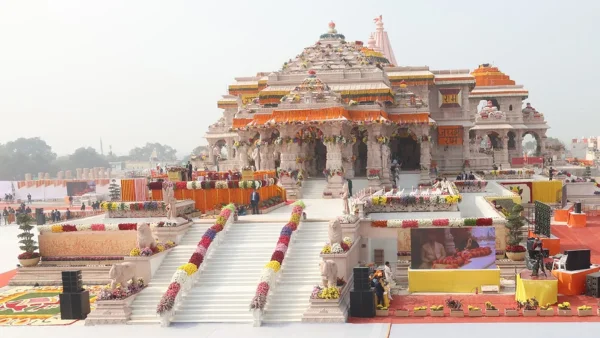
Officials who are watching the building say that the construction committee has set April 30th as the firm date for all the physical work to be done. Big contractors – Larsen & Toubro and Tata Consultancy Services among them – will be leaving the temple area when the building is finished. The time for finishing building is tied to finishing the paperwork, so the changeover is smooth.
Instructions have been given to get all the paperwork and bill payments finished by the same date. Officials want to avoid a handover happening in stages, as that can hold up planning for maintenance. Finishing the papers at the same time as the building should make the handover to the managing Trust easier.
Contractors, guarantees and maintenance after it’s finished
Both L&T and TCS have given a three-year guarantee on the work they did. This will cover the building’s structure and the technical parts, giving the Trust confidence in the quality of the work and the systems. These guarantees are part of the final handover rules.
To keep things going, small groups from L&T and TCS will stay on the site. This will mean quick responses to any problems covered by the guarantee, and help with a good passing on of knowledge to the Trust’s maintenance people. This arrangement shows an organised move from building to running.
The Shri Ram Janmabhoomi Teerth Kshetra Trust will be responsible
After April 30th, the Shri Ram Janmabhoomi Teerth Kshetra Trust will take over all the current deals with the contractors and the State Construction Corporation. The Trust will be in charge of the site’s assets, the money for upkeep, and how visitors are managed. Having one body responsible is intended to make sure management is consistent.
The transfer includes what the contracts say must be done, looking after the guarantees, and plans to keep the technical systems working. Officials stressed that clear lines of who is responsible will help keep the temple area safe, and help it work well in the long term. The Trust will make staff roles and deals with suppliers firm after the handover.
How much it cost, and how the money was spent
The total cost of the project is thought to be about ₹1,900 crore. Of that, roughly ₹1,600 crore – including GST – has already been paid. The money left will pay the final bills, adjustments when it’s finished, and any administrative costs linked to the end of the building.
During the committee meeting, officials looked at how the money had been spent, and confirmed controls on the money still to be given out. As most of the big bills have been settled, the work now is to put the accounts right, finish the required official papers, and make sure all the financial papers match the transfer of responsibility.
The final steps and being ready to operate
A two-day meeting of the construction committee looked at how things were going, talked about the final times, and planned the order for finishing and the changeover. Leaders of the committee stressed how important it was to finish not just the building you can see, but the final touches, security systems and facilities for guests.
Being ready to operate will include testing the technical systems and training the maintenance people. With the contractors giving support after the building is finished, the Trust can give priority to managing visitors, keeping the temple safe, and doing regular upkeep. The complete plan is to keep the temple as it should be, and help it work as a living cultural site.
The coming weeks will therefore be spent finishing the work, settling the accounts and putting systems in place for long-term care. By aiming for April 30th to be finished, the people in charge of the project expect to end a major part of the temple’s building, and set up strong ways to manage it in the future.