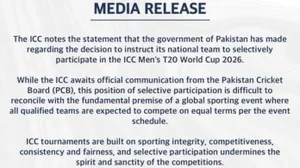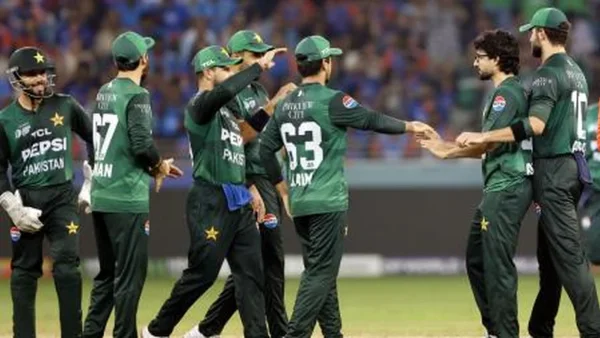
The PCB has already organised the World Cup team to fly to Colombo on February 2nd in the morning. The team, the people who support them, and the officials all have travel sorted, which means the Board intends to play every game on the schedule. We’re expecting a firm confirmation of Pakistan taking part very soon; people inside the PCB say the Board will announce their plans quickly, and this will end most of the recent talk about maybe not going or not playing India.
A three-way deal and neutral grounds
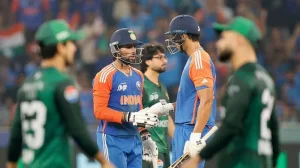
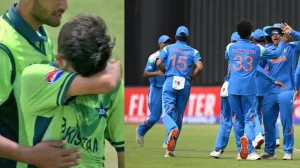
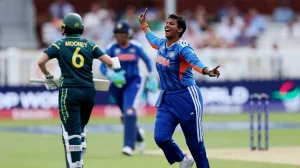
There is a deal between the PCB, another cricket board, and the main global cricket organisation, which says that India versus Pakistan games in ICC tournaments until 2027 must be at neutral grounds. This covers the arrangements for important matches and gives less reason for Pakistan to pull out on their own.
Pakistan’s whole group stage of the World Cup is in Sri Lanka, and if they get through, the final could be there too. Where the matches are makes it harder to argue they shouldn’t play for safety or practical reasons.
Other boards’ safety worries
The PCB has said publicly it backs another cricket board in the area which was worried about safety playing in India, and has said it understands the worries, but is being careful about its own choices. Officials say the Board has to balance being with other boards, and its duty to cricket partners all over the world.
People close to the Board say going against the deals already made could hurt Pakistan’s position in international cricket. The PCB is under pressure to look after Pakistan cricket in the long run, rather than reacting to the current political issues.
When the head of the PCB met the country’s prime minister, they talked about making sure Pakistan cricket has a future, and keeping good relations with the world cricket organisation and the other member boards. The government’s support makes the Board more likely to keep to its international duties.
Politics and what you can and cannot do about a pull-out
The Indian government still won’t let the Indian team play in Pakistan, but this doesn’t stop India and Pakistan playing each other at neutral grounds in ICC or Asia Cup tournaments. Officials point to this as a practical reason why a pull-out doesn’t make sense. People who have suggested a pull-out haven’t been able to give a legal reason for not going to the tournament, or not playing India. The Board’s view is that politics and sport should be kept separate in games covered by international deals.
What this means for the tournament and those involved
If the team definitely leaves on February 2nd, it will make plans for the tournament more certain for those who organise it, the TV companies, and the fans, who have been watching what is happening. Teams, the places where the games are, and the companies who put money into the event, all like to be sure what is going on; Pakistan almost certainly taking part cuts down on the risks to the event.
For Pakistan’s players and supporters, playing at neutral grounds keeps the competition fair and lets people focus on how well the team is playing. A pull-out would cost Pakistan a lot in terms of sport and its good name, whereas taking part fits with the Board’s aim of making sure Pakistan cricket has a good future.
What happens next and what to expect
With the travel arranged and talks with governments going on, people expect the PCB to officially confirm it is taking part soon. Those involved will watch for official news, and the team leaving on February 2nd, as the clearest sign that Pakistan will play in the World Cup and, if they get to, play India under the agreed terms at a neutral ground.
Until an official statement comes, people will weigh up the travel arrangements and the legal rules which govern games between the two countries. At the moment, all the evidence shows Pakistan will travel to Colombo and play in the T20 World Cup as planned.