Supreme Court Hearing on Compliance in Stray Dog Management
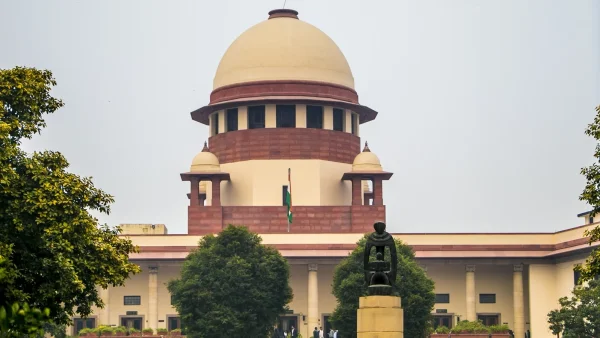
The Supreme Court of the United States delivered its decision about motions requesting changes to previous rulings in the ongoing stray dog litigation on January 29 2026. The Justices Vikram Nath Sandeep Mehta and N.V. Anjaria presiding over the three-judge bench requested parties to submit their written arguments after they finished hearing the case. The courtroom evaluation focused on how states progressed and how NHAI and AWBI and other authorities fulfilled their responsibilities.
Status Reports from States, NHAI and Other Authorities
The bench hearing together with all parties appeared before the courtroom. Amicus curiae Gaurav Agarwal summarised steps taken by states including Punjab, Tamil Nadu, Uttar Pradesh and Rajasthan. His report mapped sterilisation drives, shelter development and local efforts to reduce dog-bite incidents. The bench listened to the National Highways Authority of India counsel on steps taken after the November 7, 2025 order. The NHAI counsel presented information about their programs to remove stray animals from national highways and their plans to build fencing. The bench examined both the practicality of fencing and its associated safety features together with the actual progress of fencing work. The court reserved judgment after hearing these submissions and other stakeholder inputs.
Court’s Concern Over Delays and Rising Dog-Bite Incidents
The top court expressed its frustration over slow implementation because it believed that states had made no progress. The bench flagged that mandated norms have not been implemented properly over the past five years. The court presented the evidence which showed that this gap has caused an alarming increase in dog-bite incidents which happen most frequently in institutional spaces.
Directions on Compensation, Animal Birth Control and Shelter Approvals
The court announced that it might require states to provide heavy compensation for bite incidents which would extend to dog feeders under specific circumstances. The judicial comments demonstrate how the court demands immediate progress on both animal birth control operations and the relocation process of animals. The court ordered the Animal Welfare Board of India to process NGO applications for animal shelters and animal birth control facilities without undue delay. The bench told AWBI counsel: ‘Either you accept it or reject the applications but do it expeditiously.’ The November 7 order released a surge of applications which started after the new procedures came into effect.
The states need fast approvals which will enable them to build more sterilisation centers and animal shelters. NGOs along with municipal bodies and animal welfare organisations require specific timelines and standards to follow when they plan their resources and expand their operational territory.
The November 7 order required that all stray dogs from institutional areas and public roads be immediately moved to dedicated shelters where they must undergo sterilisation and vaccination before their release. The regulation prohibited the release of collected dogs to their initial locations. The objective was to establish public safety through methods which control animal populations in a humane way.
The court ordered NHAI to remove stray animals from all state highways national highways and expressways while requiring NHAI to construct fencing. The purpose of these measures is to decrease accidents and rabies transmission while establishing clear responsibilities for road safety management.
Future Course of Action and Impact of the Final Ruling
The bench has two options for its future ruling which include either maintaining current orders or issuing new compliance rules. The assessment process will lead to stricter deadlines together with monitoring systems and rules for compensation and penalties for ongoing noncompliance. The judgment will shape how states local bodies and welfare groups manage stray animal populations.
Implementation Remains the Key Challenge
Legal consequences could also extend to operational duties for feeders, municipal agencies and road authorities. The court needs to issue a ruling which protects public health and animal welfare while establishing feasible goals for implementation.
The court has asked parties to file written submissions promptly, signaling a push toward resolution. The implementation process requires financial cooperation between various parties together with the development of sterilisation facilities and field personnel training and accessible data about results. The organization will require monitoring systems which can demonstrate actual advancement toward goals instead of making promises.
The ruling will create better protection against dog-bite incidents and improved management of urban animal populations for both citizens and institutions. The reminder to policymakers shows that humane solutions need backing through actual resources and accountable actions in order to achieve successful results.