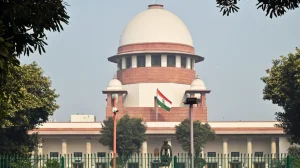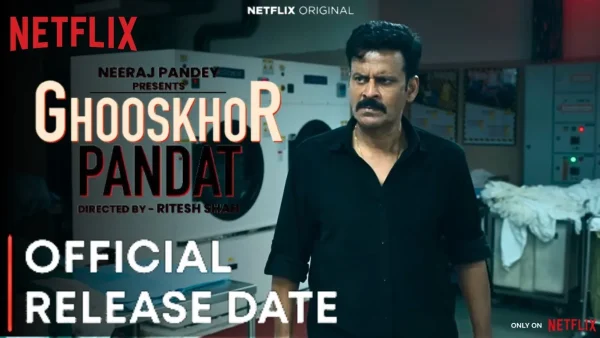
The Supreme Court on Thursday directed the makers of the movie ‘Ghooskhor Pandat’ to change its title, deeming it to be a title degrading any particular community, not bearing with the spirit of the Constitution which could not be allowed. A further simpleton bench, also presided over by Justice BV Nagarathna, issued notice to the producers to stipulate alternative titles.
SC order, interim orders
The order demanded for the movie producers – through an affidavit – to propose and intimate what alterations have been made following the court order. The suppliers will be listed again on February 19, thereby still giving the opportunity for parties to respond and improve their suggestions.
Restrictions were portrayed by the bench regarding descriptions or promotional material that may spread stereotypes or cause public damage to the dignity of any community. The notice was founded concerning the respondents as to exercise freedom of expression is quite within the ambit of Constitutional law.
Expressing the Opinion of Justice Nagarathna on the Boundaries of Expression
While Justice Nagarathna also mentioned the court’s discomfort at content likely to disturb social peace, she said, “The fact that an awareness has taken place does not mean creating this kind of unrest when there is unrest anyway” (sic)
It was reiterated by the court that while moving any section of the larger section of society and hurting their sentiments is opposed to moral values and public order and although, filmmakers and journalists are legally supposed to be much aware about any sort of legal exception and restrictions reasonable on privacy before they start treating these terms.
Some constitutional principles used in the verdict
It referred to Art. 19(1)(a), being Op-article 19(2)
[which provide for legal restrictions on the free press and expression]
, and the court underlined that this freedom does not endanger the harmony between religions and secular ethics or do defamation.
Justice Nagarathna highlighted the idea of equality and fraternity as contained in the Indian Constitution, expressing the concern that the founding fathers recognized, respected, and protected each other’s differences. In her considered opinion, Justice Nagarathna claimed that the freedom of expression does not entail hurting the sentiments of any community.
The Requirements of the PIL/Concerns of Society
With regards to the title contest, the petitioner, acting as a preacher in teaching scriptures and spiritual traditions, filed the petition urging the court to protect the name of her Acharya community. The Acharya endorsed it as a word that represents scholarship and ethical discourse.
According to her, the association of this word ‘Pandat’ with corruption and bribery was a stigmatic indictment, stereotype, and defamatory for the members of the Brahmin community. She has pleaded before the court to ban the film from release and broadcast on such grounds.
Greater Legal Issues for the Filmmakers and Streaming Platforms
The case reiterates the need to be sensitive in cultural and religious issues highlighted in case of film titles and promotions. Today, producers and OTT platforms face increasing worries about the kind of content that can disrupt the cordial atmosphere.
The courts may have thought that internal checks were necessary for the creators and distributors of religious content, lest there is stereotyping and communal offence. The fact that the Supreme Court has asked for a change of title for their affidavit and possible compliance signals more strictness on how pre-release disputes take place.
Already earlier, the producers had indicated that they could look into the scope of changing the name. Now, they must present the alternative name for more evaluations and modifications before the February 19 hearing.
Beyond its immediate repercussions, this judgment urges a reconsideration of the existing mechanisms to regulate online content vis-a-vis the community’s dignity, whereby free expression does not intervene as regards the community nature. In essence, the court’s decision demonstrates the balance with which freedom is managed, and with it come sprinklings of rights and, consequently, responsibility whilst totally upholding constitutional values.