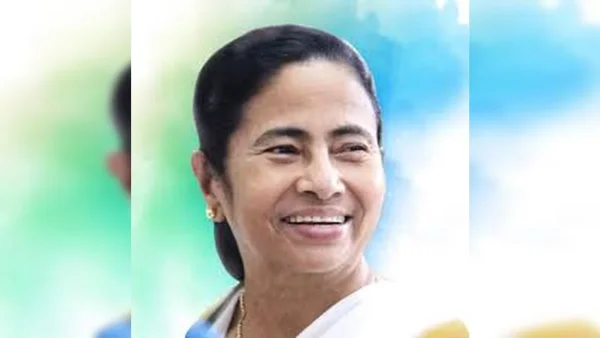
In the mid-term budget of West Bengal for 2026-27, the TMC government, headed by Chief Minister Mamata Banerjee, pursues Patriotic Laxmi Bhandar scheme. This welfare package for the development of Monthly payments, which provides for an increase in grants and introduction of a number of new benefits before the elections, is intended for such groups as women, youth who do not work and the sick among others, and this possibly signals a shift in emphasis on instead a more comprehensible direction of transfers and social security.
The very package, that Lakshmir Bhandar omgrogram received an increase in the contact number. The entitlements have also undergone an approximate increase by Rs 500 cost. Women in general category will be paid Rs 1,500 per month now, up from Rs 1,000 per month. Scheduled Castes and Scheduled Tribes women will receive Rs 1,700 per month in place of the previous Rs 1,200.
It is understood that about 2.42 crore people are actually under the scheme. In order to accommodate those beneficiaries who will be getting more money, the government has chipped in another 15 billion rupees to throw in the Lakshmir Bhandar overall budget to accommodate the proposed increase and to sustain it in the next financial year.
Eligibility is limited to those female recipients who do not have access to other welfare programs of the state with the exception of educational and scholarship grants. The benefits will be given for a period not exceeding five years or until the employment is obtained by the payee encouraging a bridge support model.
Banglar Yuva Sathi: 1500 Rupees will be provided per month for unemployed youth
Under an upcoming welfare initiative, Banglar Yuva Sathi, a sum of fifteen hundred rupees will be given simultaneously to those unemployed individuals aged between twenty-one to forty years. This stipend will remain in place up until the time at which the recipient gets a job and will not exceed five calendar years, reflecting the structural assistance upheld in various other state programs.
Banglar Yuva Sathi is due to begin by August 15, provided the current regime, Masitzoba is still in office. The move is an attempt to address the concerns of the youth regarding unemployment and to ensure that necessary financial support arrangements are in place while recipients look for work or further education.
It has been hypothesized that initiation of payment of unemployment benefits will be successful if only the 21-40 age group is targeted. However, this is questionable because it is only todays supposed early-career job seekers or current job seekers who have prolonged unemployment problems who could be targeted within such an age group and could be interested in how social protection is tailored to such issues.
Employers are rather wary about the word out of place in the public discourse and usually refrain from using it since it does sound so rude which is not the effect you’re trying to produce; hence the like of political correctness do matter and are used accordingly. Policymakers being elected by the people are likely to forge ahead and provide incentives and one of such incentives lately is System of National Accounts that is, targeting various economic and social problems. Budget experts argue for the need to adjust social protection policies against this backdrop, towards relief of social tensions and correction of social structures.
Social security and a spike in allocations administrative expenditure in the ongoing fiscal year
All the sums which were specified in the budget, of such surprising magnitude for the status quo, as the compensation have been proposed to be increased without exception, in the Budget, for the year 2019-20. There was an increase of Rs 135 crore in the allowances for those employed in the frontline of health and social services as per the interim budget mentioned above. As part of this increase, the central government has increased the wages of Anganwadi workers and helpers by Rs 1000 per month.
Each worker of ASHA ‘Bee’ scheme will now receive an additional Rs 1,000 every month. Kagaj karmi and Green baton personnel undersize 20 were also given an increase Rs 1,000 per month. For the purpose of difference in the wages for these categories Rs 150 crore have been kept in the budget. The lowly rated Government employees again have been given an increase of four percent in their dearness allowance.
The budget also recommends enhancing social security measures to such stand-by employment including health care which implies a widening of the safety net of the state for the informal sector players.
Financial implications and sustainability considerations
Providing a lot of resources for the recurrent cash transfers contributes to the fiscal difficulty and should be offset by income and other expenses with caution. This is a huge share going to be covered by welfare which is the additional Rs 15,000 crore allotted for the Lakshmi Bhandar and the new allocations for the youth and the frontline workers.
The growth of these expenditures is reliant on revenue, central transfers and the choices to be made within the envelope of Rs 4.06 lakh crore. Rights to enroll beneficiaries and eligibility checks and de-duplication will be important for achievement and fiscal efficiency.
Political context and electoral significance
The announcement of these policy changes in the venue in August, falling right before the forthcoming state legislative assembly elections, fits the contours of a core political strategy – poverty alleviation and delivery of resources to the people. Mechanisms of targeted cash transferrals were especially relevant for allay their concerns pertaining to expected female base of the voters/source of support by bundling element of poverty elimination which instantly minimized opposition out of economic interests.
The State government does not only engages its people in dialogues but also comes up with way on how to engage the society so that they comply with the budget policy. This approach of the government expects that the fiscal document would institute increased earning opportunities among the poor. It remains to be seen if these measures would yield sim in economic terms in the long run or they would be used only for political purposes and forgotten on economic concerns.