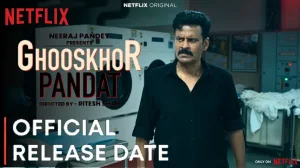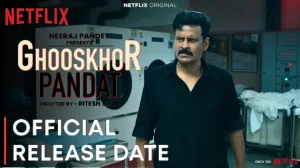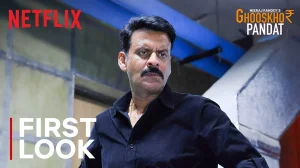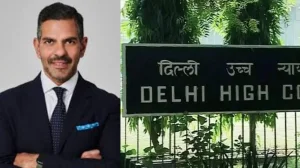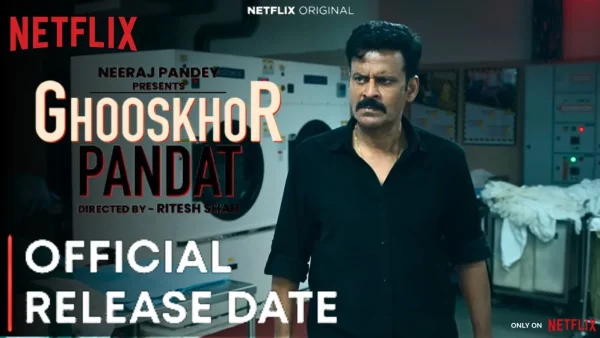
A Jabalpur JMFC court issued the notices to Neeraj Pandey and leading people at the streaming service. These came from a criminal defamation complaint, which says the title Ghooskhor Pandit is hurtful to the Brahmin community. After going over an affidavit and other evidence in court, Magistrate Pankaj Savita decided to hear the case.
What the complaint is about
Pt. Vaibhav Pathak – who is in the Madhya Pradesh Progressive Brahmin Mahasabha – made the criminal defamation complaint. He gave a sworn statement saying that the title connects ‘Pandit’ with a word that means ‘someone who takes bribes,’ and so it lowers the community’s historic part in learning and religion.
Pathak stated that in Indian tradition, ‘Pandit’ usually means knowledge and holiness. He told the court that to link this title with corruption damages the community’s place in society and their good name.
What the court did and the notices sent
Magistrate Pankaj Savita looked at the affidavit and the documents the person making the complaint provided, and then sent out the notices. The court ordered that the filmmaker – as the movie’s maker and director – and leading people at the streaming service must answer the claims.
The notices need the people named to come to court properly and give written answers at a hearing in the future. The court will very soon say when the next hearing will be, and the people being accused will be able to speak to the evidence and the legal claims.
Legal points and evidence shown
Aseem Trivedi – the lawyer for the person making the complaint – said that earlier publicity for the original title had already hurt people’s view of them. He said that, although the title was being changed under orders from a higher court, earlier marketing could not be taken back.
The legal point is criminal defamation, and this needs proof that published words harmed the good name of the person making the complaint, or of a community. The person making the complaint provided evidence to show how much of the marketing was tied to the original title, and how widely it had gone.
What this means for making things, and what groups in the community feel
The case shows the continuing trouble between artistic freedom and what groups in the community feel. People who make and distribute content face legal checks when marketing seems to attack or lower the standing of groups people can identify, particularly when titles have cultural weight.
This disagreement might affect how titles and marketing are checked before they are released and advertised. In similar cases in the future, courts will weigh the right to artistic expression against the laws which protect against hate speech and defamation.
What happens next and what could occur
Once the notices have been given, the people named must give answers and go before the JMFC as it directs. The court might then think about temporary help, throw out the complaint, or move towards a trial – depending on how good the evidence and legal arguments are.
Possible results include an order to take away or change marketing material, an apology the court makes someone give, or money if defamation can be proven. The legal process will decide if harm to someone’s good name is worth a legal answer under the laws as they are now.
This makes a legal side to the public argument over the movie’s title and marketing. The court case which is waiting will set a pattern for how similar disputes balance respect for culture, advertising, and freedom of expression.