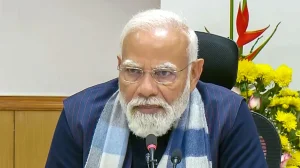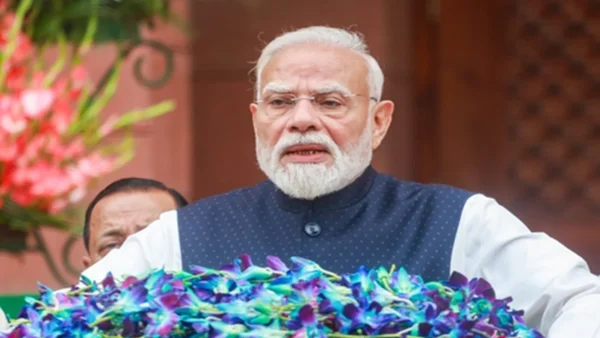
Declaring that “nothing is more important than the future of the youth,” Prime Minister Narendra Modi has announced the establishment of fast-track courts to ensure quicker trials in paper leak cases. The announcement has been welcomed by many students and parents who have long demanded stricter action against those involved in examination fraud.
However, the announcement has also revived a difficult question that has echoed across competitive exam circles for years:
If the problem was serious enough to require fast-track courts today, why did it take multiple paper leak controversies to reach this stage?
Years of Anxiety, One Major Announcement
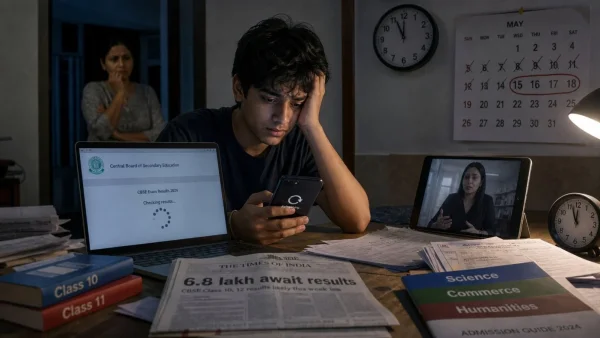
For lakhs of aspirants, a competitive examination is more than a test—it represents years of preparation, financial sacrifice, and hopes for a stable career.
Every paper leak not only disrupts an examination but also delays recruitment, creates uncertainty, and erodes confidence in the fairness of the system.
The government’s decision to prioritize speedy trials is being viewed as an acknowledgement that paper leaks are not isolated incidents but a significant challenge requiring stronger legal action.
Justice Is Important—But Can It Arrive Before the Next Leak?
Fast-track courts promise quicker prosecution and punishment for those accused of orchestrating examination fraud.
Yet many students believe that while swift justice is necessary, preventing leaks in the first place should remain the larger priority.
They argue that stronger security measures, better coordination among examination agencies, and stricter accountability could reduce the chances of papers being compromised before they ever reach candidates.
The Question Students Are Asking
The Prime Minister’s statement has offered reassurance that the government views the issue seriously.
But for candidates who have seen examinations postponed or cancelled because of alleged leaks, another question remains:
Will this announcement mark the beginning of systemic reform, or will it be remembered as a response after repeated crises?
For many aspirants, confidence will return not merely through faster court proceedings but through examinations that are conducted fairly and without disruption.
A Little Satire, A Serious Message
Social media was quick to react to the announcement, with some users joking:
“Breaking News: The court may soon finish a paper leak case before the next exam gets leaked.”
Behind the humor lies genuine frustration. Students say their biggest wish is not faster litigation but an examination process where such crimes become increasingly rare.
More Than Punishment, A Test of Prevention
Experts have often pointed out that while stronger penalties can deter wrongdoing, long-term trust depends on secure examination systems, transparent investigations, and timely recruitment.
The announcement of fast-track courts may strengthen accountability, but its success will ultimately be judged by whether candidates can sit future examinations without fearing cancellation or compromise.
The Real Examination Begins Now
Prime Minister Modi’s message that the future of young people is a national priority has struck a chord with millions of aspirants.
Now, many students will be watching to see whether the promise translates into lasting reforms.
For them, the real victory will not be a faster verdict after a paper leak—it will be an exam that never leaks at all.