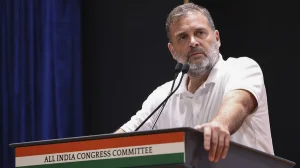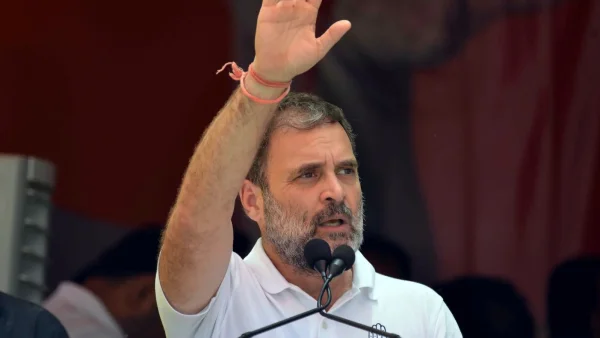
The Congress man has upped the ante, with claims of wholesale tampering in the results and a call for an independent probe as well as an SIT. In his view, this has left millions of families in a state of shock; you can’t have the future of a student and the standing of a national exam on the line like this.
He hasn’t been shy about taking on Prime Minister Narendra Modi either, chiding him for being quiet on the issue and not owning up to it. Gandhi puts it down to a systemic problem and is after some quick moves to put things right and put minds at ease.
Students flag errors, pressure mounts
Things have been made worse by reports from students of hiccups and technical problems in the re-evaluation. A few from Class 12 have even said the answer sheets put out by the CBSE don’t bear any resemblance to their own penmanship, which has given rise to unease over the OSM system.
Take the case of one 17-year-old who was stung by some low marks in Physics. When he went over the paperwork on 23rd May, he was of the opinion the script attached to his roll number wasn’t his. He put up some side-by-side with his English and CS work to make a point of the handwriting.
Gandhi has been there for the boy, noting he was put through the wringer online for making a stand. It’s a case in point for the kind of worry that has set in among those who have put in the hours and now are left to wonder if some shenanigans in the evaluation have devalued it all.
Contractor in spotlight
Then there is COEMPT, the firm at the heart of Gandhi’s ire. He says they were put in charge of certain parts of the CBSE operation. But as he would have it, they were once known as Globarena and had some hot water to wade through in Telangana back in 2019.
You can change the name, but not the modus operandi, is his line of reasoning. So why give them the contract? He says 1.85 million kids’ prospects were put in the hands of a company with that kind of past, and he wants to know where the due diligence was.
Demands and questions on process
Here is what he is after:
– An SIT and a judicial inquiry, and both of them independent.
– Who was behind giving the CBSE deal to COEMPT?
– Were any rules put aside to make it happen?
– After the Globarena fiasco, why no background check?
– Put on the table any ties between the government and COEMPT’s top brass.
The whole point of the inquiry, he says, is to get to the bottom of it and fix any institutional failings. You can’t have it any other way when an exam is what opens the door to higher education.
Political temperature rises
In no uncertain terms, Gandhi has called the government’s play a conspiracy of sorts, with a dearth of accountability at the top. The silence from the official side has only fed into the public’s nerves, and he wants the people in charge to lay out how they’ve been running the show.
The opposition will be on this, he has made clear, and has put the students’ minds at rest that no one is going to take away what they have earned. It is more than just one round of exams; it is about the very fabric of the systems we have in place for our young people.
What to watch next
With the push for an SIT and a judicial review, the way CBSE does its business and picks its vendors is under a microscope. The complaints from the ground have put some teeth in the matter, particularly when it comes to the handling of answer sheets and re-evaluations.
All eyes are on whether the authorities will step up and put in place some visible safeguards. With Gandhi in the mix, the conversation has moved on from a few here and there to some hard questions on how oversight and verification are done in these high-stakes tests.