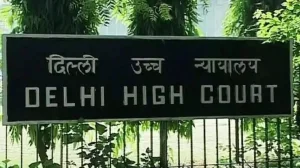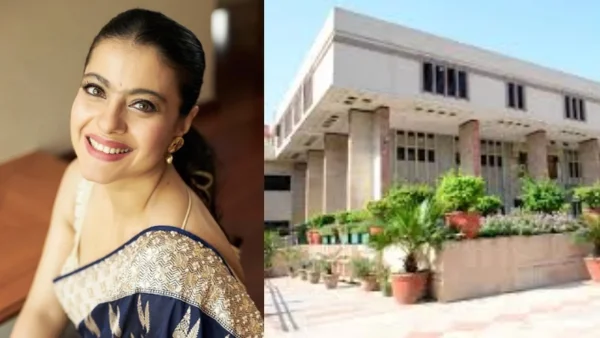
Actress Kajol received temporary protection from the Delhi High Court after she sued to prevent anyone from using her image, name, or who she is, for business without permission. The court also commanded the removal of improper, adult content being passed around online as if it were her, and pointed to the danger that AI-created deepfakes represent.
Delhi High Court’s Ruling and First Help
On February 20, 2026, Justice Jyoti Singh – leading a single-judge group – gave Kajol a provisional injunction. This injunction stops a number of groups and sites from using her pictures, voice, name, or other things that make her her, to make money, unless she allows it.
The court also told people to quickly take down adult and offensive content which was being spread while pretending to be from her. Advocate Pravin Anand spoke for the actress; and the group decided, at first look, that her personality and right to publicity needed defending from being misused.
What the Protection Covers Against Using Her Without Permission
The temporary help stops people from selling or advertising goods using Kajol’s personality without her agreement. It clearly includes not only photos and names, but her voice, appearance and other things people can recognize as part of her public self.
The court’s legal wording also showed that artificial intelligence and deepfake technology could be used to cause harm. The court suggested a more complete instruction would soon be issued to limit misuse using AI-made or digitally changed content.
Getting Improper, Adult Content Off the Internet
The court ordered authorities and internet businesses to take down improper material which was being spread in Kajol’s name. This was done to deal with content which breaks a person’s dignity and privacy, and damages their good name, over and above just commercial misuse.
Sites were reminded that they must act quickly when told about content which breaks the rules. The provisional order stresses that digital businesses can’t ignore material which makes a public person sexual, or says untrue things about them.
More and More Cases About Rights to One’s Personality
Kajol’s case is one of a series of public people asking for the same help from the Delhi High Court. In recent months, a number of well-known people have been given protection against using their identity, appearance or AI-made copies of them, without permission.
These decisions all together confirm that people have full control over making money from their personality. At the same time, the court has always left room for fair parody, artistic work, opinion and news.
What the Ruling Means for Sites, People Making Things, and AI Makers
The ruling shows that internet sites and businesses are now expected to obey the law more. Those which host content from users must have quick systems to be told about, and take down, material which breaks the rules, to avoid being held responsible.
Businesses, people selling goods and creators should now get clear permission before using any famous person’s appearance for business. For AI makers, the ruling shows the need to build in permission controls and find synthetic media which might pretend to be real people.
Balancing Rights What the Public Needs, Expression, and Protection
The court kept a balance by protecting rights to one’s personality, while not stopping free expression too much. Fair opinion and reporting are still allowed, but making money from, and sexually explicit deepfakes of, someone – without their permission are clearly not.
For public people, the ruling gives a legal way to protect their dignity and earnings. For the public and creators, it makes clear that good and legal standards must guide the use of identity, especially as synthetic media becomes easier to get.
This temporary order is a key point in the changing legal situation around rights to one’s personality and publicity. As AI tools become more common, courts and sites will likely have a central role in deciding how identity, permission and business meet on the internet.