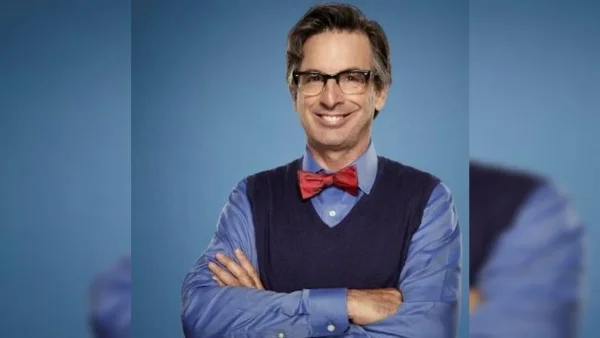
Robert Carradine started in movies in the early 1970s, being in films like The Cowboys and Coming Home. He worked with a lot of different directors and actors – from Martin Scorsese to Walter Hill – and made a really diverse collection of work, from serious dramas to silly comedies.
The part he played in the 1984 comedy Revenge of the Nerds made him really well known in pop culture, and playing Sam McGuire made him loved by a new audience on the Disney show Lizzie McGuire and the 2003 movie that came from it. Carradine was also in some films that became ‘cult’ hits, and did voice work, so he kept being seen for a long time.
Coming from the acting family the Carradines, he was the son of the character actor John Carradine and half-brother of the actor David Carradine. He is survived by his children – including the actress Ever Carradine – and by brothers, sisters and the wider family, who have talked openly about his life and what he went through.
What the family said, and his fight with bipolar disorder
In the family’s statement, Carradine was remembered as ‘a light to everyone’, whose ‘brave fight’ with bipolar disorder had gone on for nearly twenty years. The statement asked for people to respect their privacy, and said they hoped his story would help reduce the shame around mental illness.
Keith Carradine said the illness ‘beat him’, but made it clear that ‘there is nothing to be ashamed of’ when someone has a mental illness. The family talked about Robert’s sense of humour, his kindness and how accepting he was, and said they were telling people this to ask for more sympathy and awareness of mental health problems.
The family used the time to encourage people to talk about mental health, and to see bipolar disorder as a sickness that needs to be understood and treated by doctors. Being so open is part of a larger change in society, towards being more open about mental health problems.
How people reacted, paid tribute, and what impact he had on culture
A lot of fans and people he worked with have been sending in tributes, remembering Robert Carradine’s talent as a funny actor, and how he always seemed like a steady, easy-to-relate-to person on screen. Social media is full of people remembering his kindness, his good timing and the generations of people who saw him as a father figure in a popular family series.
Critics and fans have said that Carradine was able to move easily between films that were ‘cult classics’ and mainstream films, and left behind a lot of work that is still on streaming services and in discussions about films. His roles helped to define moments in comedy and drama in a number of different eras of filmmaking.
As the family is in mourning, many people have praised their openness about mental health, and have welcomed the call to reduce the shame around it. These reactions show both how much people liked Carradine, and how much the public now wants to deal with mental illness with kindness.
What bipolar disorder is, and where to get help
Bipolar disorder is a mental health problem which is shown by times of depression and mania or hypomania happening one after the other, and it can be dangerous to life if it doesn’t get the right treatment and support. Looking after it for a long time often needs medication, therapy, and a good network of people to help.
If you – or someone you know – is in trouble, contact your local emergency services right away. In the United States, you can call or text 988 to get help with suicide prevention and for a crisis. Get in touch with a friend or family member you trust, or a mental health professional, for help and advice.
Robert Carradine leaves behind a good career and a family who have decided to talk honestly about mental illness. Their hope that his story will ‘shine a light’ on the shame around it may help others to get the care and kindness they need.