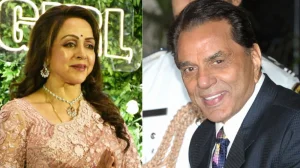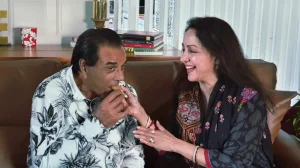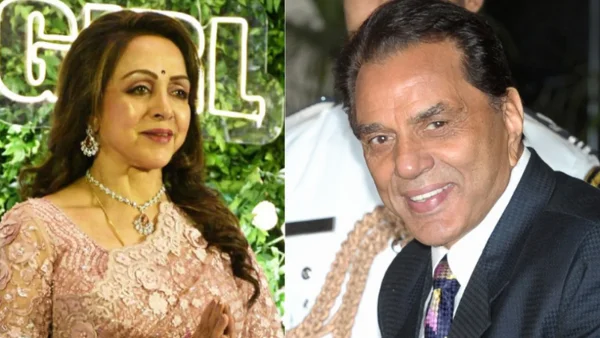
The BAFTA Awards 2026 had a really affecting in-memoriam section for Dharmendra which people all over the world felt. Hema Malini, his widow, said the honour was good to see, and showed how popular he was internationally. She spoke of her great personal sadness, and wondered, “When will I see him again?”
BAFTA Honour Shows Dharmendra’s World Reach
At the BAFTA show, Dharmendra was with other greats who had given things to world cinema. The people running the event made a point of including artists from all sorts of film traditions, which showed how popular the actor was across borders. This made sure people knew Dharmendra’s work had got to audiences far beyond his own film industry.
The honour came after a year when non-Western films had been getting more attention at major events all over the world. Because of this wider focus, it was even more important to honour a famous Indian actor on an international stage. It was a sign that different film histories were being given more and more recognition.
Hema Malini’s Emotional Reaction and What She Said
In a recent interview, Hema Malini said the BAFTA recognition was ‘good to see’ and that it honoured how far and wide Dharmendra’s work had reached. She said that he had got fans in every country, and that she was shocked by the amount of praise from other countries. What she said showed both thankfulness to the public, and sadness in private.
Malini spoke of being reminded of him every day, and how strange life was after he died. She said she still asked herself if he was really gone, and repeated “When will I see him again?” This showed both her grief, and how much she still loved him.
Memories Shared, and Favourite Films Named
Malini remembered going and working with Dharmendra, and said that filming gave the couple rare private time. They often signed up for many films so they could spend a long time together. These choices showed both how they worked together professionally, and how they were companions in private, over many years.
She named Chupke Chupke and Sholay as films she liked best, praising the pleasure they gave to people, and the good memories of being on set. Malini also said she had not yet seen his last film, Ikkis, as the idea was too much for her at the moment. She plans to watch his later films when she is ready.
How People in the Public and the Film Industry Reacted to the Honour
The BAFTA honour got reactions from fans, people who worked with Dharmendra, and current film-makers, who spoke of how long his career lasted and how physically attractive he was. People in the industry included other international greats in the memorial section, putting his career in the same group as world cinema’s best. The moment made people start streaming and looking for his films in archives again.
The show also honoured other works and people, including a film from Indian regional cinema, which won an award. This made people think that global platforms were taking different film stories much more seriously. For India, the honour was a source of national pride and made people think about the country as a whole.
What Dharmendra Did, and How People Are Looking at His Work Again
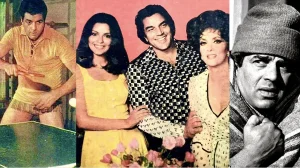
Dharmendra’s career started in 1960, and went through many changes in cinema, from popular emotional stories to films about society and politics. He kept the love of the public through decades of changing tastes and changes in the film industry. The BAFTA section made critics and viewers think again about how important he was in today’s world.
Honours like this can make people look at a film-maker’s whole body of work again, and have new critical looks at an artist’s work. Malini’s promise to watch his films again shows a personal wish to keep his memory alive, which is also being shown by the wider public. Finally, the honour at BAFTA will likely keep people talking about Dharmendra’s place in film history.