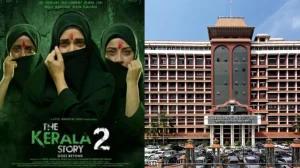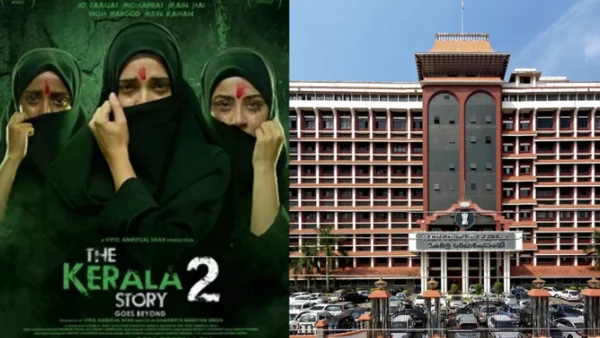
The court – a panel with Justice Bechu Kurian Thomas as head – asked the people who made the film why ‘Kerala’ is in the title, if they say the story is about all of India. Justice Thomas ordered the producers to show the film to the court, before any decision is made on cases against the film’s certificate.
The Court is worried about what the film shows and about public order
Justice Thomas said that Kerala ‘lives in complete agreement’, and that what the film has been advertised as seems to show the opposite. He said that showing things like that could ‘make people feel very strongly’, and cause trouble between religious groups – something he said the CBFC had to think about.
The judge said that, although courts usually defend people’s right to make art, if a film says it is ‘based on real events’ and uses a state’s name, it may need to be looked at more closely. He also said that the idea that a CBFC certificate is always right is not true if people think a film might cause harm to people getting along in society.
What the film’s advertising says, and the trouble with the people who were supposed to be witnesses
During the advertising of the film, the people who made it showed 37 women who said they had been forced to change their religion – but it turned out that none of them were from Kerala. Those who brought the cases to court say that this makes the film unbelievable, and makes the worry that the advertising is giving the wrong idea about Kerala even worse.
What people think about the film, and the question of the title which has not been answered
Short clips of the film have already caused discussion on social media, where people who don’t like it say that the clips show Kerala in a way that is not true to life. Those who do like the film say it shows a bigger problem all over the country, and should be seen as a story about all of India, not as an attack on just one state.
The lawyers for those who brought the cases to court say the CBFC might have given the film a U/A certificate – meaning people under 14 should be with an adult – without looking at all the material that is now public. They also mentioned a recent court case which said that a film title cannot insult an entire community, meaning that titles and how films are advertised can be important in law.
The people who made the film say that getting a certificate gives them some protection in law, and that the short clips might not show what the finished film is really like. The court asked the Indian government if it would be possible to show the film to the judges, showing that it will look at whether people’s right to make films should be less important than worries about public order.
The court has arranged to see the film, and said it will hear the cases again after seeing it. It could decide to say the certificate is okay, order changes to be made to the film, or put limits on the advertising, if it thinks the film will probably cause trouble between religious groups.
What happens next, and what it means for people who make films and the people who check them
This situation raises bigger questions for people who make films, the people who check them, and people who watch them. People’s right to be creative exists with their legal duty to not say things which are damaging to someone’s good name, or which might cause religious trouble.
If a title links a delicate subject to the name of a state, courts may weigh that choice against what is in the public interest – peace, and showing things accurately.
A lot of people from Kerala, and other people who are watching, are waiting for a clear answer to the question of why ‘Kerala’ is in the title, if the story is meant to be about all of India.
The people who made the film say it is about forced religious changes all over India, not just in Kerala – but people who don’t like the film say that the title and the advertising choices give a different message.
With the film due to be shown soon, the High Court showing of the film will probably decide what happens to it immediately, and set a standard for how titles, short clips, and certificates are dealt with in future arguments about how things are shown and people getting along in society.