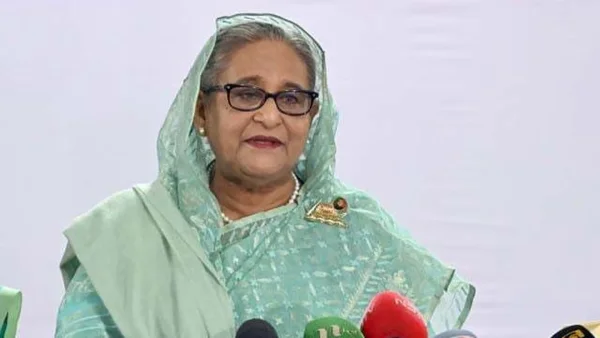
Hasina asked the UN to ‘begin a new, really fair study of what has gone on in the last year’. She felt that only getting to ‘the real truth’ would allow Bangladesh to get past what she thought of as a planned effort against democracy and be able to move on.
She clearly blamed Yunus and those who support him for creating the big problems which ended her sixteen years as leader in August 2024. She said the revolt and the change in power were part of a ‘carefully made plan’ to get rid of a government which had been chosen by the people.
The former prime minister said the current government had stopped newspapers being free, was badly treating people of minority religions, and had let law and order get much worse. She said Bangladesh had gone into 'a time of fear‘ and asked for ‘everyday acts of violence and breaking the law’ to be stopped to make the country stable.
Hasina also requested that the current government promise safety for people of minority religions, women and girls, and stop frightening reporters, people in opposing parties, and members of her Awami League. She needed trust in the courts to be put back as something needed before a proper election could happen.
The political situation and what the election means
Bangladesh is to have a general election on February 12th – the first since Hasina was ousted. In May, the current government made all things the Awami League did illegal, using the country’s laws against terrorism, and took the party’s registration away, making people worry about how fair and legal the next election would be.
In November, a national court said Hasina should be put to death for crimes against people, because of the way she dealt with protesters in 2024. Hasina does not accept these charges and has warned that millions of her supporters might not vote in the election unless her party is allowed to take part.
Hasina went to India in August 2024 after weeks of protests led by students. She has been living in Delhi as a refugee and Friday’s recorded message was one of her first important public statements since she left Bangladesh.
Claims, results and what happens internationally
Hasina said Yunus was a traitor, and that he was planning to give land and resources of the country to other nations. She asked for people in Bangladesh to be united and used the memory of the country’s War of Freedom to encourage people to fight against what she called a 'government which does what foreigners want‘.
The current government has not said anything publicly about Hasina’s newest charges. Asking for a UN study could make the world pay attention to claims of people’s rights being broken, problems with the election, and dangers to freedom – but any study would have political and practical issues.
People who study these things say a proper UN study would need help from Dhaka and clear rules for what it should look at. Without being allowed in and being open, a study might not be able to make a certain and clear public record, even though groups for human rights are worried about limits on what opposing parties and the media are allowed to do.
What to watch for
Important things to keep an eye on include any official response from the current government, what the Awami League or its supporters do before February 12th, and whether the UN or other international groups show they are interested in a formal study.
The next few weeks will test Bangladesh’s systems and how well people in the country and in the world can make sure the election process is free, fair and peaceful. For many people in Bangladesh, the question is whether there is a real way to get back to agreement and a new start for democracy.