The Finance Bill 2026 is targeted at India’s income tax filing calendar, intending to help in compliance and reduce the stress already being experienced by the income tax department portal. The main changes are:
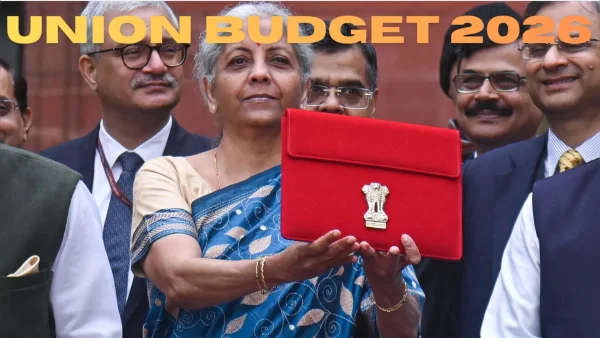
The Finance Minister Nirmala Sitharaman also increased revision windows and staggered return deadlines announced. She has made even more announcements by proposing refines to specific direct tax aspects such as TDS, TCS deductions and exemptions.
Key deadline changes for ITR filing
Earlier, the due date for filing updated income tax returns was extended up to 31st March of relevant assessment year. The authorities have now extended the date from December 31st to March 31st, allowing taxpayers more time to correct errors and claim missed deductions.
The original return filing deadline for non-audit business taxpayers now falls on August 31. And those who have non-audited trusts for several years are also given more days to file the returns reducing pressure on the very hectic tax filing dates.
Employed taxpayers and those who are eligible to file either ITR-1 or ITR-2 are required to file income tax returns as they typically do by the 31st of July. This phased-out calendar should lighten the load on the server and minimize the chances of last-minute errors at the time of high filing traffic.
The implications of the modifications in terms of the bills Janet and Jennifer intend to introduce.
The extension of the revising period is expected to help enhance the refund and amendment rate under normal circumstances. Taxpayers who have under-reported or made calculation errors are likely to benefit from the new provision since they would have the time to address the miscalculation regardless of whether the claim is legitimate.
The government also recommended the imposition of a reasonable charge post the expiry of the deadline on the 31st of December. The government envisions the surcharge as a mechanism to curtail inappropriate requests without completely stifling legitimate revisions.
Increasing the deadline for each of the categories of taxpayers is said to decrease the probability of losing access to the portal and increase the likelihood of a smooth process flow. Tax professionals appear to be looking at a year of more or less uniform work distribution until the last rites of the assessment ended.
What does not change from earlier years in the tax regime.
As for Budget 2026, there is no specific change to the taxation structure deeply rooted in the history of personal income tax. Both the Old Tax Regime and the New Tax Regime will be available to the assessee, as has the changes in the amounts of tax or the thresholds of that day or of that month, i.e year.
Within the IT return, the new regime is the paradigm as directed by the Central Board in its circular regarding the budget 2023-24. Those taxpayers who want the deductions and exemptions will have to opt for filing the return under the old scheme.
The other rule which continues and is important one – In case the ITR is filed late and missed the due date then only new regime can be filed for the same. Taxpayers should also consider this rule if they are tempted to postpone the deadline; they will have to adhere to get the deductions.
other direct tax proposals in Budget 2026
“FM
[Finance Minister]
has proposed to exempt interest awarded by motor accident claims tribunals to individuals from income tax and do away with TDS on such awards, which would enable the claimants to benefit.”
The TCS rate for certain foreign transfers has changed. The Liberalised Remittance Scheme applies. Previously, TCS for international travel, education, and medical expenses was 2%. This rate will now be lower.
Several other tax measures will affect TDS, by introducing narrow exemptions, referring to the Atmanirbhar Bharat Abhiyan and the goal of making it easier for ordinary taxpayers to bear the costs of education, medical treatment, or travel abroad.
Work on the wide measures
It will be important for taxpayers and tax professionals to establish such an understanding for the progressing phase. Knowing so, non aduit businesses and trusts will have much cause to shift the paradigm with their tax year ending.
Be prepared to use the relaxation for these revisions and be ready until March 31. If you intend to file returns after December 31, ensure that you include the modest charge towards computed compliance costs.
Tax Destructor – Configuration as It Is (The Advisory Tax Stop)
Article 3. TDS withholding on E-commerce transactions u/s Section 194-0
2. Actual and Fictions Provisions of Double Taxation Avoidance Agreements
3. Duplicate and Incongruent Law (Section 245K and Section 235-OB)
4. Cadres under the National Building Code and Society for Information
5. Anti-Circumvention Duty Overseas Auditor Trainees
Taxation should be last. Fortunately, it is almost never impossible to advertise, and the company tax actually does normally demand for four to six months. However, in the functions of certain parts of the department of businessmen and local organizations, advisably such plans could be exempt from application.
Tax Changes by Proposed Market.
The foregoing statement notwithstanding, the tax management function and pursuit is a bit of a specialist subject, and therefore there is always reason to be concerned. Shuffleworth, berries, and several others are successful in cases involving companies on blank cheque issuance, causing international cynicism and laughter.