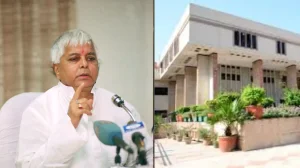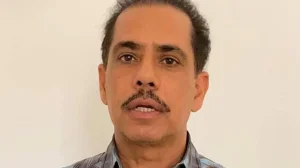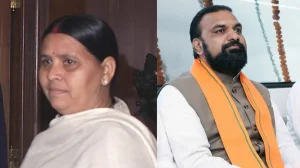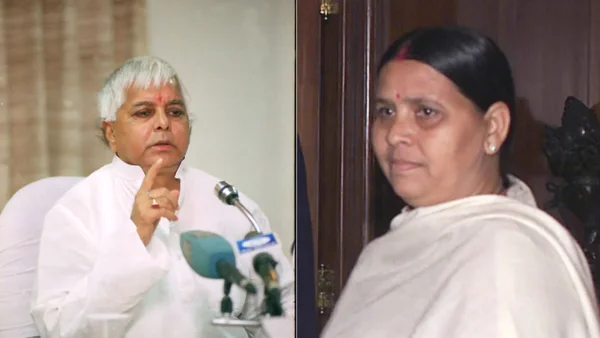
A Delhi court on Monday officially brought charges against former Railway Minister Lalu Prasad Yadav and former Bihar Chief Minister Rabri Devi in the CBI’s land-for-jobs case – meaning a full trial can now go forward. Both leaders were in the Rouse Avenue Court, and both told the court they didn’t do what they’re accused of, and will fight the case.
The Court’s Order and the Charges
Judge Vishal Gogne set the same charges for everyone: criminal conspiracy, fraud, and breaking the law under the Prevention of Corruption Act. The court also said the people accused have to come to court in person, unless they’re given permission to be in the court by video call. Misa Bharti – their daughter – explained the court said Lalu Prasad Yadav and Rabri Devi could come by video call, because of their age and health. This comes after the court decided on January 9th to bring charges against many people in the Yadav family and others involved. Earlier, the court had said that, as far as it could see, there was a broad plan to get land in exchange for giving people jobs, and to do this through family members. The scheme, the court said, was about appointments to Group D posts in the railways.
What the Land-for-Jobs Case Is About
The Central Bureau of Investigation started the case on May 18, 2022. Investigators say people wanting Group D jobs with Indian Railways gave land to people connected to the Yadav family. The CBI put forward two indictments and two extra indictments, naming 103 people who were accused. During the court work, the court said 52 people didn’t have enough against them to be charged – including a number of Chief Personnel Officers – and recorded that five people accused had died during the case.
Who Will Be On Trial
Besides Lalu Prasad Yadav and Rabri Devi, the court said charges should be brought against Misa Bharti, Hema Yadav, Tejashwi Prasad Yadav, Tej Pratap Yadav, Bhola Yadav, R. K. Mahajan, and Prem Chand Gupta. The court said the family seemed to have acted together, and especially pointed to Lalu Prasad Yadav as having helped plan the conspiracy. The order also said that a number of accused General Managers of Indian Railways seemed to have misused the power they had to give Group D temporary jobs. But the court said the accused Chief Personnel Officers didn’t have the power to give temporary jobs, and should not be charged.
Why the Court Brought Charges
Bringing charges means the court has to find a strong reason to suspect something happened, based on what it has seen so far – but not proof beyond all doubt. The court said the CBI’s information, including official records, showed land being got in exchange for jobs. It added that, if the claims were taken as true, they showed a planned attempt to get land through relatives of the then Railway Minister. The court stressed, however, that this was only the level of finding needed to send the case to trial. In its explanation, the court referred to what it said was a pattern: people wanting jobs gave land to people connected to the family, and then Group D jobs followed through people using their power. The judge made it clear these were only early findings, and would be looked at with evidence in the trial.
What the Defense Said, and Claims the Case Is Political
A senior lawyer for Lalu Prasad Yadav said the case was for political reasons, and didn’t have direct proof. The lawyer said sale papers showed land was bought with money, not given in exchange for jobs, and that no General Manager had said they’d been in touch with the former minister. The defense also said there was no record of the minister recommending anyone for a job. The lawyer also said no land was taken without payment, and that legal deals were being wrongly described as ‘something for something’. The lawyer for Rabri Devi said that buying land with legal sale papers wasn’t a crime, and that no favours had been given to anyone. The defense says that deals with land and taking people on were not connected, and were legal.
What Will Happen in the Trial
Now charges have been brought, the people bringing the case will show witnesses and papers, including records of appointments, files on staff, and land deals. Evidence from Railway people – especially those involved in hiring for Group D posts – is expected to be very important. The defense will be able to question witnesses and challenge the idea that land deals and jobs were linked. Sale papers, papers on how much land was worth, and records of who was taken on will probably be key pieces of evidence. The court allowing video calls – if it agrees – may affect how the older accused people get to court. Conditions for bail, making sure people come when they’re told to, and setting dates for evidence hearings will decide what happens next. As the trial goes on, the case will test how courts deal with claims of ‘something for something’ in public jobs, set against legal land deals. The result will depend on whether the people bringing the case can turn what seems to be true at first sight into proof that meets the rules for a criminal case.