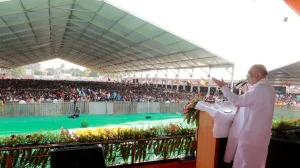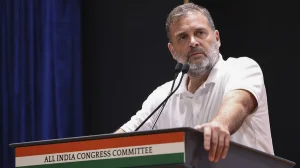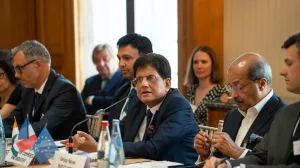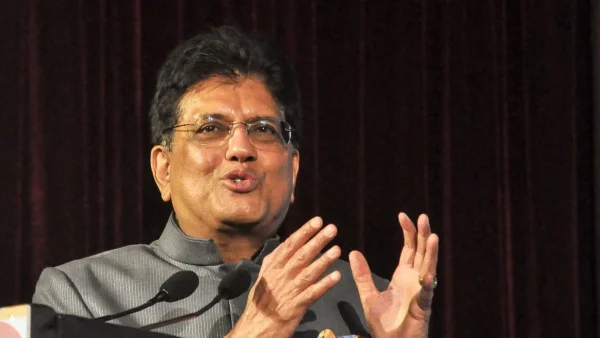
Shah specifically said Gandhi is wrongly telling farmers that free trade agreements will hurt Indian farming. He called Congress’s claims ridiculous and challenged Gandhi to a public discussion about the details of the agreements.
Government’s stance: farm and dairy protections in FTAs
According to Shah, Narendra Modi’s government hasn’t given up any of the protections for farmers. In fact, he says, previous governments did agree to things that would have harmed farming, and these were changed after 2014.
Shah is certain that the deals with the EU, UK and US all still protect farmers, people who raise cattle, fishermen, and the entire dairy industry. The government won’t agree to anything that would make it harder for Indian businesses to compete, or that would endanger the dairy cooperatives.
Access to markets and tariff developments
Built into the negotiations are ways to protect things; lists of sensitive areas, tariff-rate quotas (which control how much can be imported), and a gradual opening up of the market. These can be used to help the most vulnerable industries if they need it.
Shah thinks these trade agreements will actually help Indian agriculture and fisheries by giving them access to more markets around the world, increasing income for farmers while still providing safety nets within the country.
He mentioned that after a phone call between PM Modi and Donald Trump (the US President), the US said they would lower some tariffs on Indian goods – from 50% to 18%. The government believes this will give Indian companies more room to export.
Opposition concerns over agriculture and imports
Rahul Gandhi has been critical of the temporary trade deal with the US and the ongoing talks with the EU, saying they could create problems for Indian farming. He’s mentioned things like dried distillers grains and genetically modified soy oil being imported and has warned that this could put long-term pressure on the way the government buys produce and the minimum prices farmers receive.
On social media, Gandhi has said this approach is letting down farmers. He wants to know if companies from other countries will start to control the supply chain for farms, and if this will weaken smaller farmers and local cooperatives over time.
Experts in trade policy say the exact wording of the trade agreements needs to be looked at closely, specifically in regards to health standards, rules about government financial help to businesses, and how much access to the market there will be. How much benefit comes from exporting versus the risk from importing is still the main point of discussion.
Policy record and welfare measures cited by Shah
Shah said the Modi government’s record is better than the UPA’s. The government now buys more from farmers at the minimum support price and spends a lot more money on agriculture. He said spending on farms has gone from roughly 26,000 crore rupees under the last government to over 1.29 lakh crore rupees.
He also talked about PM-KISAN, where farmers get 6,000 rupees a year paid directly to them. Shah says this reduces the need for loans and gives farmers a more predictable income. He added that more grain is being bought and distributed fairly than it was ten years ago.
Shah criticized what was suggested with the Dunkel proposal during the Uruguay Round (a past set of trade negotiations), saying it would have been bad for Indian farming. He says the current government has changed this and will firmly support the wellbeing of farmers.
CBDC-based PDS pilot and Grain ATM rollout
Aside from trade policy, Shah started India’s first Public Distribution System using a Central Bank Digital Currency in Gujarat. The idea of the pilot program is to make getting benefits digital, stop corruption, and let people see exactly how much food they are entitled to in real time.
He says that using the CBDC system should make it very difficult to divert resources and will make the whole process from the warehouse to the person receiving the food completely open. The government plans to introduce this system in other states after the pilot.
Shah also opened “Grain ATMs” as part of the Annapurti project. These machines can give out one-kilogram bags of basic foods (rice, lentils, salt and sugar) 24/7, making them easier to get and reducing queues.
Government people say that the digital systems, combined with using Aadhaar (identity cards) and directly transferring money to people, will make the supply chain much cleaner. Shah said savings have already been made from direct transfers and expects even more savings as the CBDC system is used more.
What to watch in the trade negotiations
As India and the EU finish their trade agreement and talks with the UK continue, people will be looking at the final prices, the rules to decide where something is from, and what’s left out for sensitive farm products. How much access is given to the dairy industry, what the rules are for animal health, and how much help is given to farms will be watched closely.
For the US, the question of access to the market on both sides, how byproducts of farming are treated, and standards for genetically engineered imports are causing problems. The government says farmers will definitely be protected, but the opposition wants to know more about what is agreed to in each part of the agreements.
The argument will continue, but the exact wording of each agreement will in the end decide how much protection and opportunity there is for farming and the dairy industry in India.