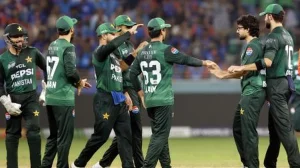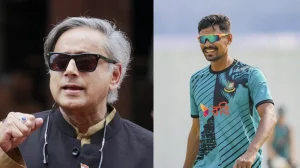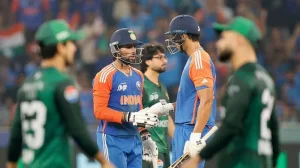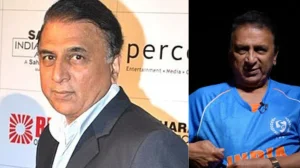
With the India versus Pakistan T20 World Cup game in 2026 coming up, what’s happening away from the field – not just the plans for the game itself – is getting a lot of notice. Sanjay Manjrekar, who used to play cricket for India, publicly criticised India’s current rule of not shaking hands, saying it was a ‘ridiculous thing’ and didn’t look right for the country. Not shaking hands, which seems simple, has now become what a more serious disagreement between the two countries looks like.
How the Rule Started
The rule about not shaking hands began at the 2025 Asia Cup, after the terror attack in Pahalgam, Jammu and Kashmir. The attack, and the army action that followed – called Operation Sindoor – made the Board of Control for Cricket in India take a firm position.
Since then, teams of all ages and in all kinds of cricket have mostly avoided proper greetings on the pitch. The rule shows how worried people are about security, and how politics has got into sport. Those in charge said the move was to protect people, and to make a statement. Others say it turns what players usually do into a political message.
Manjrekar Speaks Out
Using X – a social media site – Manjrekar said he was annoyed, and wrote that the no-handshake position was ‘not what you’d expect from a country like ours’. He told players to ‘play the game correctly, in the spirit of the game, or not play at all.’
What he said so directly started debate again about how sportsmanship should be when countries are at odds with each other. Old players and commentators often affect what people think during important games. Manjrekar’s criticism shows how Indian cricket people are divided: some want to show what their country stands for, and some want to keep the usual good manners in cricket.
Captains Aren’t Saying
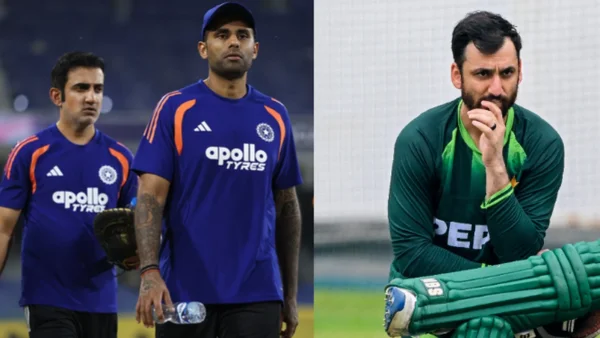
Before the game in Colombo, India’s captain Suryakumar Yadav wouldn’t say whether India would shake hands at the toss of the coin. He told reporters to ‘wait 24 hours’ and to concentrate on the game, putting off giving a proper answer until the toss. His careful reply kept people’s attention on the game itself, rather than the rule.
Pakistan captain Salman Ali Agha said he’d be happy to go back to normal sportsmanship, but stressed the decision was up to India. ‘Cricket ought to be played in the right way,’ Agha said, admitting that gestures can’t on their own fix the bigger problems between the two countries.
Problems with the Authorities and the Trophy Argument
The fact that India didn’t shake hands caused serious problems with the authorities before. After the Asia Cup, the Pakistan Cricket Board apparently said they would not play in any more games as a protest.
Though the PCB later took the threat back, the event made relations worse. Also, it was reported that India was still waiting for the Asia Cup trophy, as Pakistan’s interior minister had taken it away from the place where the presentation was, after a difficult presentation. This showed how events that are meant to be ceremonial can have a much bigger political meaning.
What to Expect in the Game, and What It Means
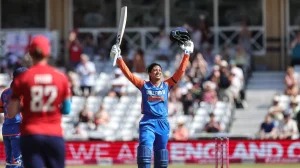
On the pitch, both teams are in good shape. India has said that Abhishek Sharma will be back, and India A Women had a very good win in Bangkok earlier. The rivalry between the two countries is still strong, and the game is full of clever tactics, with batsmen and bowlers expected to hit hard at each other. Away from the pitch, the rule about not shaking hands makes the toss of the coin a moment which has a lot of meaning.
Whether the captains say hello to each other, or not, will get almost as much attention as the first ball. For many people watching, the gesture has come to show what the relationship between India and Pakistan is generally.
The India versus Pakistan T20 World Cup 2026 game will therefore be watched not just for the quality of the cricket, but for the picture it gives. If handshakes come back, it could show that things are starting to get better. If they don’t, the game will be another reminder that sport and politics often go in different directions.