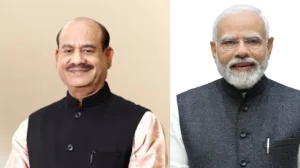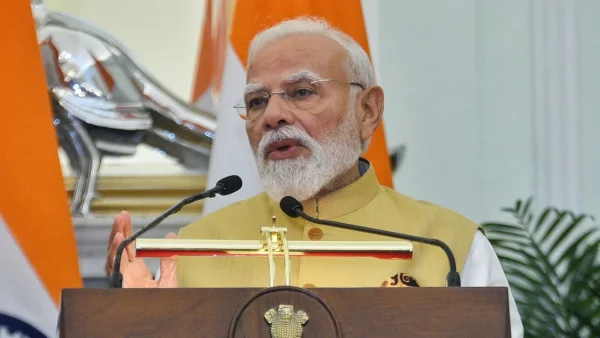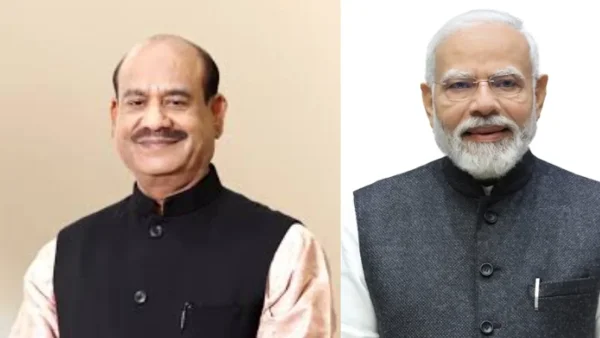
Om Birla, the Speaker of the Lok Sabha, will be India's representative at the inauguration of Bangladesh’s next prime minister, Tarique Rahman, on February 17, the Ministry of External Affairs has said. Narendra Modi, the Prime Minister, was asked to go but will not, as he already has planned meetings with people from other countries in Mumbai that same day. Birla will have with him a leading group of Indian diplomats.
Who is going with Birla, and why Modi can’t be there
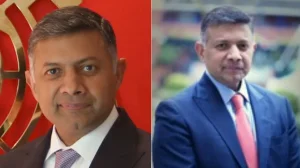
It’s thought the Indian group going will be made up of Foreign Secretary Vikram Misri and Lok Sabha Secretary-General Utpal Kumar Singh – this shows a significant diplomatic showing. Choosing the Lok Sabha Speaker to be the main person to go is a clever bit of diplomacy, which respects the usual formal steps and lets the prime minister keep to his existing plans.
Modi will be in Mumbai for talks already set up with French President Emmanuel Macron on February 17. Because of when those meetings with another country are, and the India AI Impact Summit which follows, the government chose to send someone from Parliament instead of putting off or cancelling things already decided.
What the Ministry of External Affairs said, and what the diplomatic message is
The Ministry of External Affairs presented Birla going as a clear sign of the long-standing friendship between India and Bangladesh. In what it said, the MEA stressed the common past, culture, and ideas about how a country should be run, while giving a welcome to Bangladesh changing to a government chosen by the people under Tarique Rahman.
This sort of diplomatic language is to give Dhaka the feeling that India accepts the result of the election as being proper, and will keep a steady level of contact between the two countries. Sending the Lok Sabha Speaker makes the political image good without making the trip a visit by the head of a government.
The election and what it means for India-Bangladesh relations
Tarique Rahman’s Bangladesh Nationalist Party got a strong majority in Parliament in the 2026 election, winning a large number of seats and going over the two-thirds line. The number of people voting went up to about 60 percent, a big increase from previous elections where few people voted, and showing a real change in Bangladesh politics.
Rahman has stated that he will put ‘Bangladesh First’, saying that what is best for the country will guide how it deals with other countries. This attitude shows that Dhaka will try to change how it is linked to neighbours and major powers, and this could affect trade, working together on security, and diplomacy in the area.
Problems between the two countries which will probably affect how things go
Despite both countries wishing each other well, a number of difficult matters are still on the list for talks between them. The new government has said it may formally ask for the return to Bangladesh of former leader Sheikh Hasina, who is currently in India as a refugee and was found guilty in her absence by a court dealing with war crimes. Any request for her to be returned would need careful handling, both legally and in terms of diplomacy.
How water is shared, and protecting people who are not in the majority religion, are other areas where things are sensitive. The Ganga Water Treaty will end in December 2026, and Dhaka has said getting it renewed is one of its priorities. India has also shown it is still worried about the safety and rights of people of different religions in Bangladesh, and this could affect future talks.
What to expect after the inauguration
Having a leading person from Parliament as India’s envoy makes practical ways for contact without needing to have high-level political bargaining straight away. Talks between the two countries are likely to be about trade, how river basins are managed, and working together on security across borders in the months to come.
Both capitals will watch how the new Bangladesh government puts its people in positions, including how it deals with Pakistan and China. For India, keeping good relations with Dhaka will remain a key aim in strategy, and diplomatic work after the inauguration will try to change good words into real cooperation.