Activist Sonam Wangchuk ended his 26-day hunger strike after receiving written assurances from the Central government, including a commitment that no legal action would be taken against peaceful protesters and that Parliament would discuss alleged examination irregularities and broader education reforms.
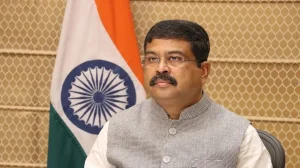
The breakthrough came only after late-night discussions involving Union Ministers J.P. Nadda and Jitendra Singh, bringing an end to nearly a month of protests that had become a national talking point.
But while the fast has ended, the political and public debate is far from over.
Key Assurances That Led to the Fast Ending
According to the written assurances shared by Wangchuk, the Centre indicated that:
No cases would be registered against those who participated in peaceful protests, including the July 20 demonstrations.
Issues relating to alleged NEET paper leaks and examination reforms would be discussed in Parliament.
The government would positively consider compensation for families of students who allegedly died by suicide in connection with the paper leak controversy.
These assurances were sufficient for Wangchuk to call off his fast, though some broader demands remain unresolved.
The Question Many Are Asking
The announcement has prompted a broader public question:
If these assurances could eventually be given, why did negotiations take nearly four weeks and a prolonged hunger strike?
During those 26 days:
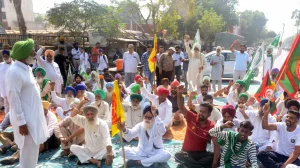
Thousands of students participated in demonstrations.
The issue dominated public debate.
Political leaders across parties appealed for dialogue.
Wangchuk’s health deteriorated significantly as the fast continued.
Supporters argue that earlier engagement may have reduced tensions, while others note that negotiations involving large public movements often take time and involve multiple stakeholders. From Protest to Policy
Government Signals Tougher Action on Paper Leaks
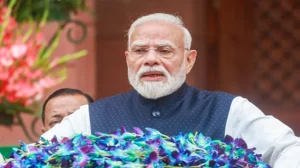
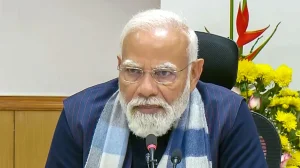
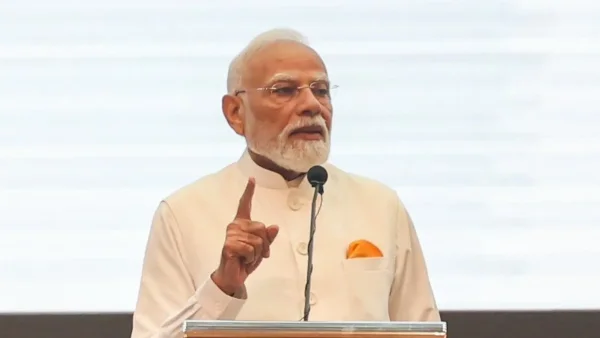
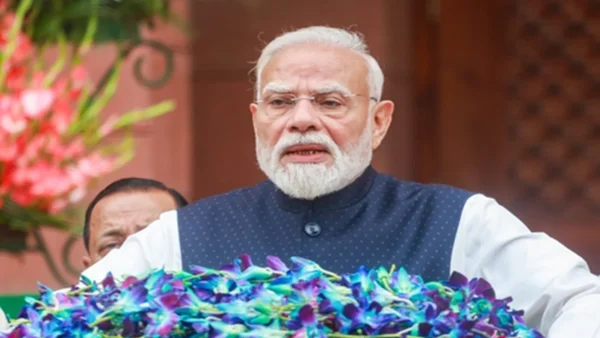
Alongside the negotiations, Prime Minister Narendra Modi has announced plans for stronger measures against examination fraud, including fast-track courts for paper leak cases and a tougher legal framework aimed at deterring organised exam-related crimes.
The broader objective, according to the government’s public position, is to restore confidence in competitive examinations through quicker prosecution and stronger deterrence.
However, the exact scope and implementation timeline of any new legislative measures will depend on the parliamentary process.
Some Issues Remain Open
While the government provided written assurances on several issues, other demands associated with the protest movement—including calls relating to political accountability—were not accompanied by the assurances sought by the protesters. Wangchuk himself indicated that not all demands received commitments before he chose to end his fast.
As a result, although the hunger strike has ended, discussions around examination reform and accountability are expected to continue.
Social Media Reacts to the Midnight Breakthrough
The government’s assurances triggered intense discussion online.
Among the reactions:
Some users described the outcome as a victory for sustained peaceful protest.
Others questioned why written assurances came only after 26 days of fasting.
Some commentators argued that systemic reforms, rather than assurances alone, would determine whether public trust is restored.
Others urged people to wait for Parliament’s discussions and subsequent policy actions before judging the outcome.
These reactions reflect opinions circulating online and should not be treated as established facts.
Promises Matter, but Implementation Matters More
The written assurances have brought an end to one chapter of the protest.
The next chapter will depend on what follows:
Will the promised parliamentary discussions translate into concrete reforms?
Will stronger legal measures effectively deter future paper leaks?
Will commitments regarding peaceful protesters and compensation be implemented as indicated?
For many students, the real measure of success will not be the end of a hunger strike, but whether future examinations are secure, transparent, and trusted.
The government has made its commitments in writing. The next test is whether those commitments become lasting policy—and whether they rebuild confidence among millions of students whose futures depend on a fair examination system.