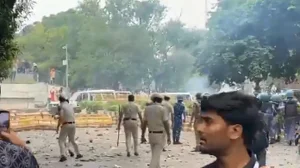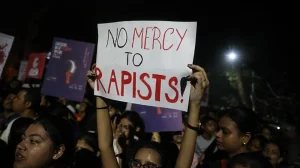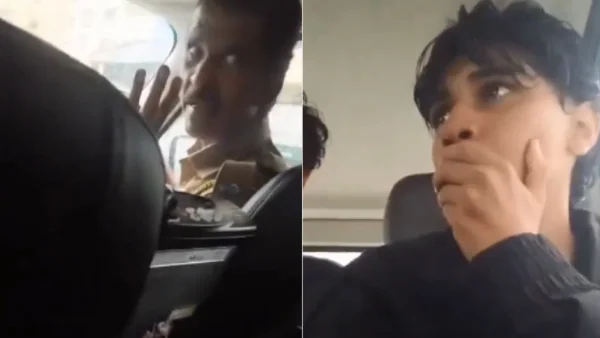
A viral social media post alleging that a Mumbai Police officer threatened student protesters has ignited a fresh debate over the balance between maintaining law and order and safeguarding the democratic right to peaceful protest.
The post claims that an officer warned students against participating in future demonstrations and allegedly threatened to implicate them in false criminal cases if they returned to protest. The alleged remarks, widely shared online, have sparked concern among students, activists, and civil liberties advocates.
At the time of publication, these allegations have not been independently verified, and no official statement confirming or addressing the specific claims had been issued.
The Allegation That Sparked the Debate
A Viral Video, Serious Questions
According to posts circulating on social media, a police officer allegedly told student protesters:
“If you come to protest again, I will frame you in a drug case and you’ll spend your whole life in jail.”
The authenticity, context, and completeness of the alleged exchange remain unverified. Nevertheless, the claims have triggered widespread discussion about the conduct expected from law enforcement during public demonstrations.
The incident has shifted attention beyond one alleged interaction to broader questions about how police engage with peaceful protesters and whether citizens feel free to exercise their constitutional rights without fear.
Free Expression and Public Order: A Delicate Balance
Can Both Be Protected?
Police have a legal responsibility to maintain public order, manage crowds, and prevent violence during protests.
At the same time, India’s Constitution protects the right to peaceful assembly, subject to reasonable restrictions.
Civil rights advocates argue that if threats or intimidation are used against peaceful protesters, it could discourage lawful dissent and weaken public confidence in democratic institutions. Others stress that allegations should be carefully investigated before conclusions are drawn, emphasizing the importance of fairness for both citizens and law enforcement officers.
Students Seek Clarity and Accountability
Calls for Transparency Grow
The viral allegations have prompted demands from some students and activists for:
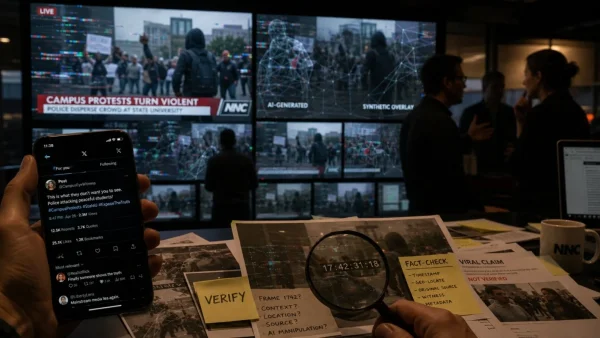
Verification of the video’s authenticity and full context.
An official clarification from the authorities.
An impartial inquiry if evidence supports the allegations.
Assurance that peaceful protesters will not face unlawful intimidation.
Many argue that transparency is essential—not only to establish the facts but also to preserve trust between the police and the public.
Rumours & Online Chatter
Social Media Reacts, but Verification Remains Crucial
As the clip and accompanying claims spread across social media, several narratives have emerged online.
Among the reactions:
Some users allege the incident reflects a broader pattern of intimidation during protests.
Others are urging the release of the complete, unedited recording before drawing conclusions.
Some commentators have called for an independent inquiry into the incident.
Others have cautioned against reaching conclusions based solely on short viral clips, noting that context can be critical.
These claims and opinions are circulating online and should not be treated as established facts without independent verification.
Why the Story Resonates Beyond One Protest
Trust Is Earned Through Transparency
Whether the allegations are ultimately substantiated or disproven, the public discussion highlights a larger issue: the relationship between citizens and the institutions responsible for enforcing the law.
Public confidence depends not only on maintaining order but also on the perception that authority is exercised fairly, impartially, and within the bounds of the law.
For students, protests are often a means of expressing concerns and participating in public discourse. For police, ensuring safety while respecting lawful rights is a challenging but essential responsibility. The Strong Closing Question
The Real Issue Is Bigger Than One Viral Clip
This controversy is no longer just about a video circulating on social media.
It is about whether citizens can trust that allegations of misconduct will be examined fairly, that law enforcement officers will be held to professional standards if wrongdoing is established, and that unverified claims will also be scrutinized before becoming accepted as fact.
Whether the allegations are ultimately proven or disproven, the outcome will matter because public trust is built on transparency, accountability, and due process—not on rumours, nor on assumptions.