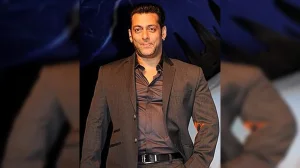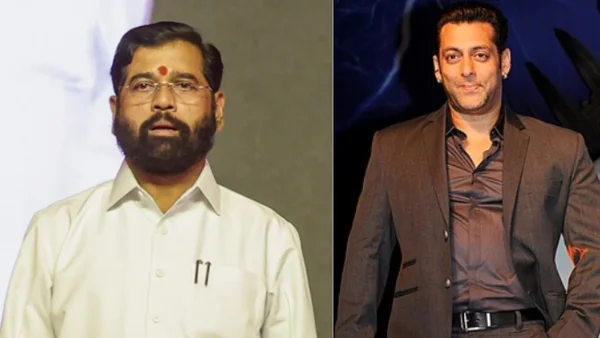
When Salman Khan accepted Eknath Shinde’s invitation to perform at the function ‘100 Years of Sangh Journey: New Horizons’, it reignited a long-standing debate as to whether celebrities should participate in any political or cultural soiree. But the Maharashtra Deputy Chief Minister came out fully for the actor, contending that the wider society views Salman as someone who fits the charismatic persona and within a situation of cultural respect, he should not be insulted because of a single event there.
Eknath Shinde’s defense of Bollywood star Salman Khan
He examined it from a very practical and cultural perspective. He went on talking that Salman Khan is an Indian citizen and home-tradition observer who had come for an event, making it unsuitable to put him in political frame.
He told his adversaries why should they take somebody’s participation in a function as political inclination. In fact, the Defense centred on the idea that the glance should actually put attention on individual freedom and cultural context.
What did the RSS do about its centenary event?
The two-day event commemorated the long-standing organization, and was attended by a large part of the film world. Senior actors, directors, other industry celebrities and industry old-timers shared the focal point of a few sessions with the organization’s administrators.
Speakers focused on the tribe’s history and societal role and goals for the future. On the other side, the celebration felt more like an excuse for entertainment, more amplified by the overwhelming presence of their glamorous faces.
When celebrities touch everything
Commenting on stars’ influence on the youth with a fine example would be RSS chief Mohan Bhagwat’s comment: Salman Khan is an influential maker of public opinion. He said actors could actually promote positive values because of their capacity to touch lives!
There are contrasting social media opinions on whether the attendance of these actors constituted a cultural exchange or blurred popular culture into the realm of ideological platforms. To this day, these debates reveal how the political content of any celebrity act would scrutinise its relevance.
Why does scrutiny of celebrity appearance trigger?
The symbols held by a person in the public eye translate into what would be interpreted as an endorsement or symbol in one hand to polarise the culture, and the general public jump on the bandwagon for analysis.
The participation of celebrities in events can be due to reasons other than just establishing networks, cultural interaction, or minor curiosity. However, the public keeps the anticipations away from ambiguity, especially when political and ideological stories are somehow once related in these gatherings.
Implications in Public Figures and Civic Discourse
Shinde’s intervention opens a much broader question that seems timely:how do we work better with civil societies and spur individual agency? The absence and desire for the political documentaries around the citizenship of the public in defense of celebrities gives credence to some urge for tolerance in the matter of non-political cultural participation.
For whom seeing, attendance at cultural events may contribute to the normalization of certain ideologies. This tension is but one aspect of a larger debate on where cultural celebrations stop and political endorsements take form in public life.
Looking through the most distorted view: what to balance between optics and intent
Considering the role of public figures, an effective strategy would center on communication. Here it is not only about what the event means, but also about the kind of communication that would surround the event so that it does not distort the broader context and only provide more space for one to understand that person’s presence.
For the general public, the line marking cultural entertainment from political alignment remains strictly drawn. The question of a celebrity’s presence at an event might still be actuated; however, their nuanced public discussion can counter premature ideas, importantly focusing on substantial issues that affect society as a whole.
The participation of Salman Khan in the centenary function and the defence of Eknath Shinde demonstrate how cultural events, celebrity entanglements and political perceptions underlie and contain each other. A liminal negotiation continues, concerning the self in the public domain and the displays of what society expects to witness.