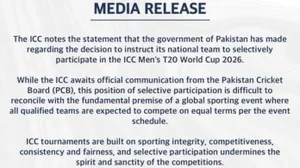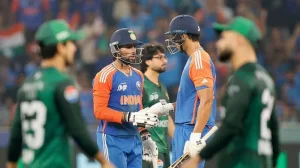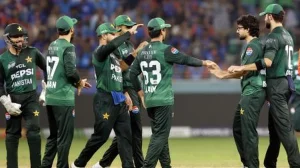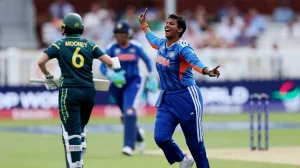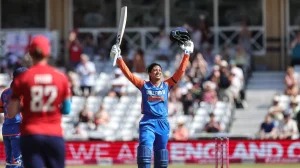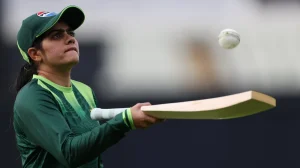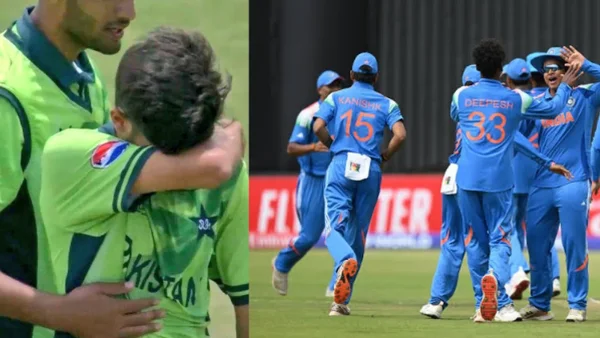
India and Pakistan are all scheduled to face each other in a momentous encounter between the two T20 World Cup 2026 fixtures which is set to take place on February 15 at Premadasa Stadium of Colombo. However, the game could be called off as Pakistan has responded by threatening to boycott. On the pretext of the broader political issue, Pakistan suddenly raised problems with teams of India comprising many senior players being intoxicated.
Why Pakistan threatened to boycott the India match
The Pakistan government has prevented the India team, especially its senior members, from playing India unlike the protest allied with Bangladesh. The reason given in the internal text is that the Bangladesh Associate nation has been left out from the competition. However, the PCB disagreed with all the member associations, including their vote against the exclusion of Bangladesh, thus further escalating tensions.
Opposition leader Shehbaz Sharif later supported the government’s view, accusing the judicial system of favouring Bangladesh against the ICC. Due to the political standing, the situation of a sports conflict became tense enough to be identified as a diplomatic row and left no other options for the sport’s policymakers, besides erasing the effects of the happening as fast as possible.
ICC recommendations and major disputations presented by the PCB
The PCB submitted numerous proposals at a prolonged discussion with ICC representatives in Lahore. The ICC ruled against three non-core demands put forward by the PCB as those were necessary to be decided at the discretion of individual boards and governments.
A request was put forward by Pakistan asking that the bilateral series between India and Pakistan be resumed. A proposal was also made to include India and Bangladesh in a tri-nation tournament and also to have India visit Bangladesh in September 2026 as part of any rapprochement initiative. The ICC would not allow these claims, explaining that the BCCI and their governments should consider such binathal or multilayered tournaments.
The BCCI emphasized the need to schedule a bilateral series between India and Pakistan in the present World Test Championship program though the ICC made it categorically clear that this is not a possibility, due to scheduling complexities, and more importantly, sensitive considerations vis-á-vis the two countries.
Requests Grouped under the Category of Bangladesh Agreed by ICC
In this regard two out of the five NPRC requests on behalf of Bangladesh were accommodated by the ICC, whereas all three PCB requests were rejected. First, ICC agreed, that Bangladesh shall not be deprived of its full share of the revenues even when they are not playing. This matter was solved out before the discussions in Lahore but was later discussed and further confirmed during the negotiations.
Second, to offset the impact of Women’s T20 World Cup 2024 being moved out of Bangladesh to an alternate location due to historical unrest, the ICC has pledged to grant a Under-19 World Cup to Bangladesh in the ensuing rotation, i.e. 2024 (In) These offerings have been made with particular regard to the financial and the infant growth issues of Bangladesh cricket.
The Lahore Meeting and Decision making Time
The meeting in Lahore lasted for over five hours and included PCB chairman Mohsin Naqvi – who also holds a ministerial portfolio – ICC Deputy Chairman Imran Khwaja, and Bangladesh Cricket Board president Aminul Islam Bulbul. The presence of BCB leadership underscored the regional stakes.
During the dialogue, the ICC made a request of the PCB to confirm within a very short period of time whether Pakistan was willing to continue with its boycott which the latter had already declared. The PCB officials were dispatched to the Prime Minister Shehbaz Sharif’s office to seek an audience, if needed. Whether a formal announcement would be made by the evening of February 9 or not, is to be observed on/after February 10 following Naqvi’s session with the prime minister.
What this entails for the T20 World Cup and bilateral cricket engagements
The looming crisis poses a threat to a high-profile event that witnesses very large global audiences and extensive commercial activity. In the event of a boycott by Pakistan, as particularly concerns the proposed match, problems of scheduling and the honoring of broadcasting obligations would erupt.
On the other hand, the shaky relationship between the governments of India and Pakistan at the time seriously changed the previous diplomatic policies in cricket. The ICC unambiguously states that the resumption of bilateral cricket falls within the jurisdiction of the countries’ cricket boards or government and not the council itself. However, the revenue and development commitments to Bangladesh suggest that the ICC is willing to use tournament and future events as a lens for dealing with grievances.
In the near future, as the end of the period draws near, people’s attention is entirely on the PCB and the Pakistani government, waiting to see if a balance between politics and games shall be struck to continue the famous contest.