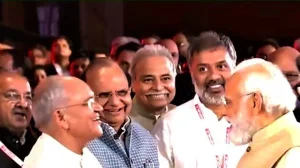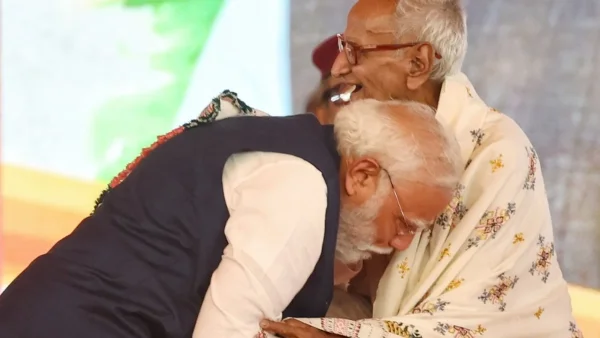
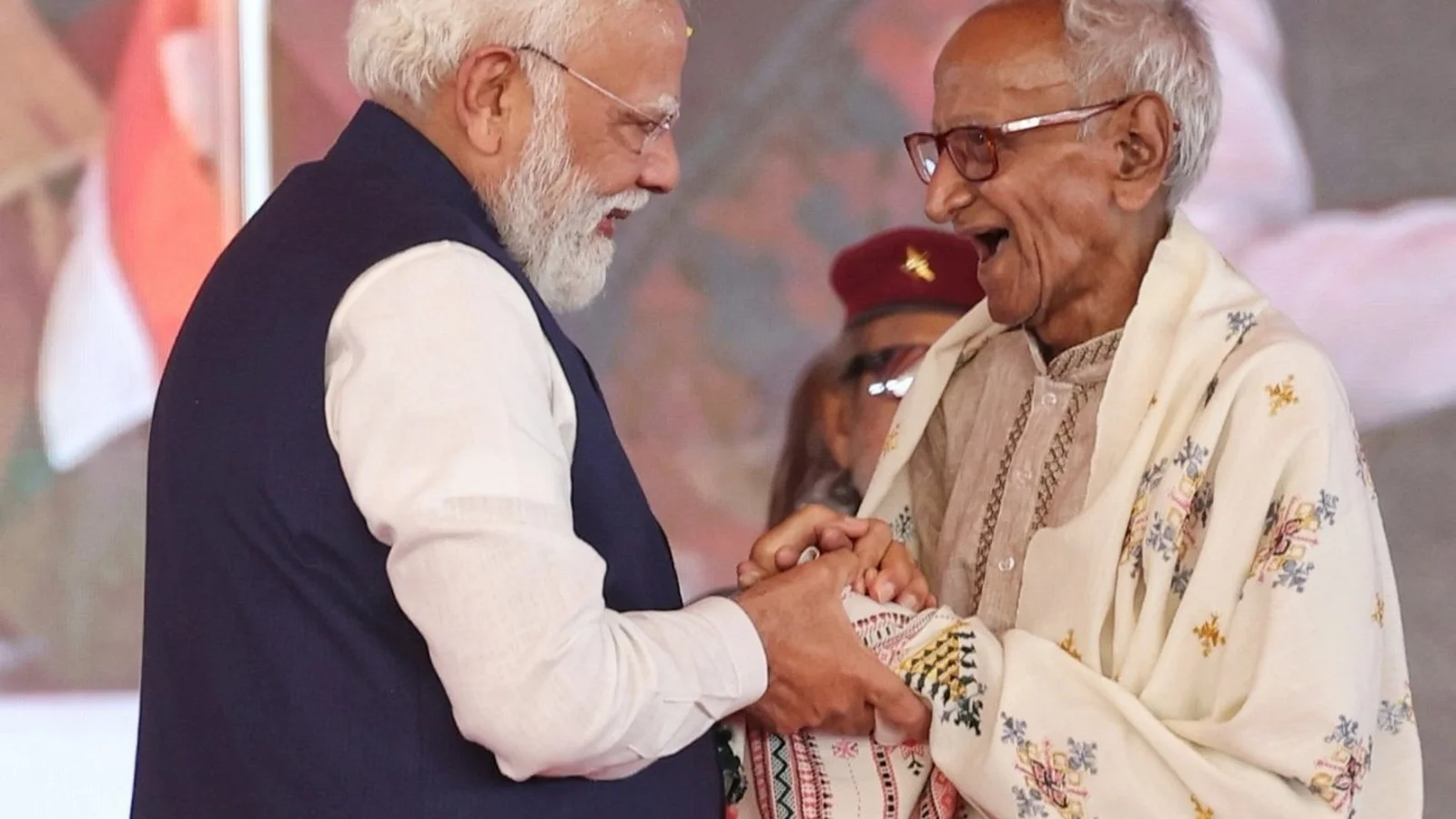
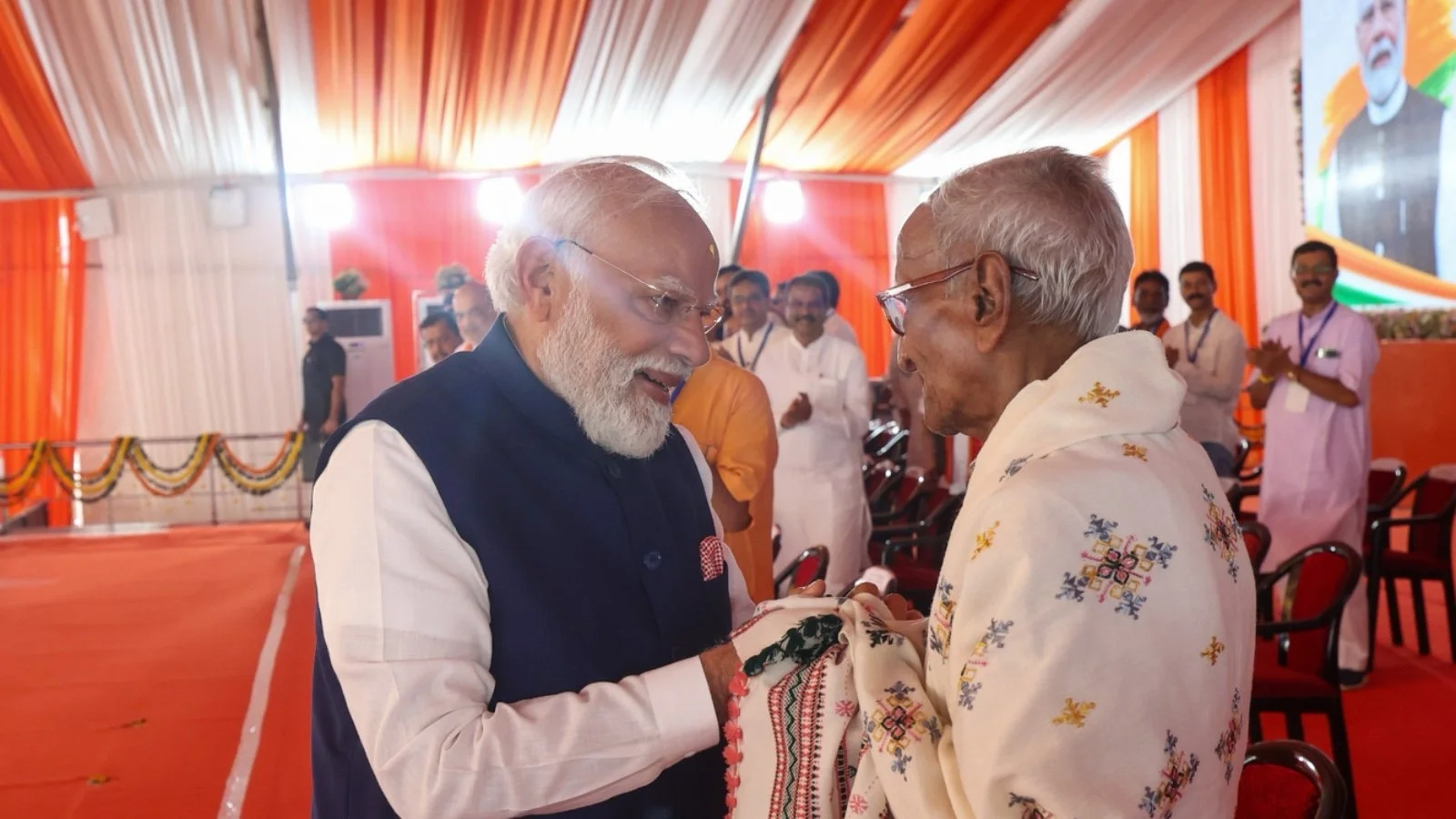
During the rather showy event in Kolkata, Modi knelt and touched Sarkar’s feet, and this surprisingly intimate moment was felt by many. It made the day about more than just power changing hands, but about acknowledging the political history of many decades.
West Bengal was seeing its first BJP government come into power, and Suvendu Adhikari was sworn in as Chief Minister. Because of the attention given to Sarkar, the ceremony wasn’t just a political event, but a chance to remember the movements that existed before the BJP as we know it.
Why the gesture mattered at Bengal’s oath ceremony
The swearing-in at Kolkata’s Brigade Parade Grounds was a landmark occasion, ending fifteen years of the Trinamool Congress being in charge. Before the official parts of the ceremony began, Modi went to Sarkar, bowed to him, and asked for his blessing, which the crowd of party
workers and supporters applauded for a long time.
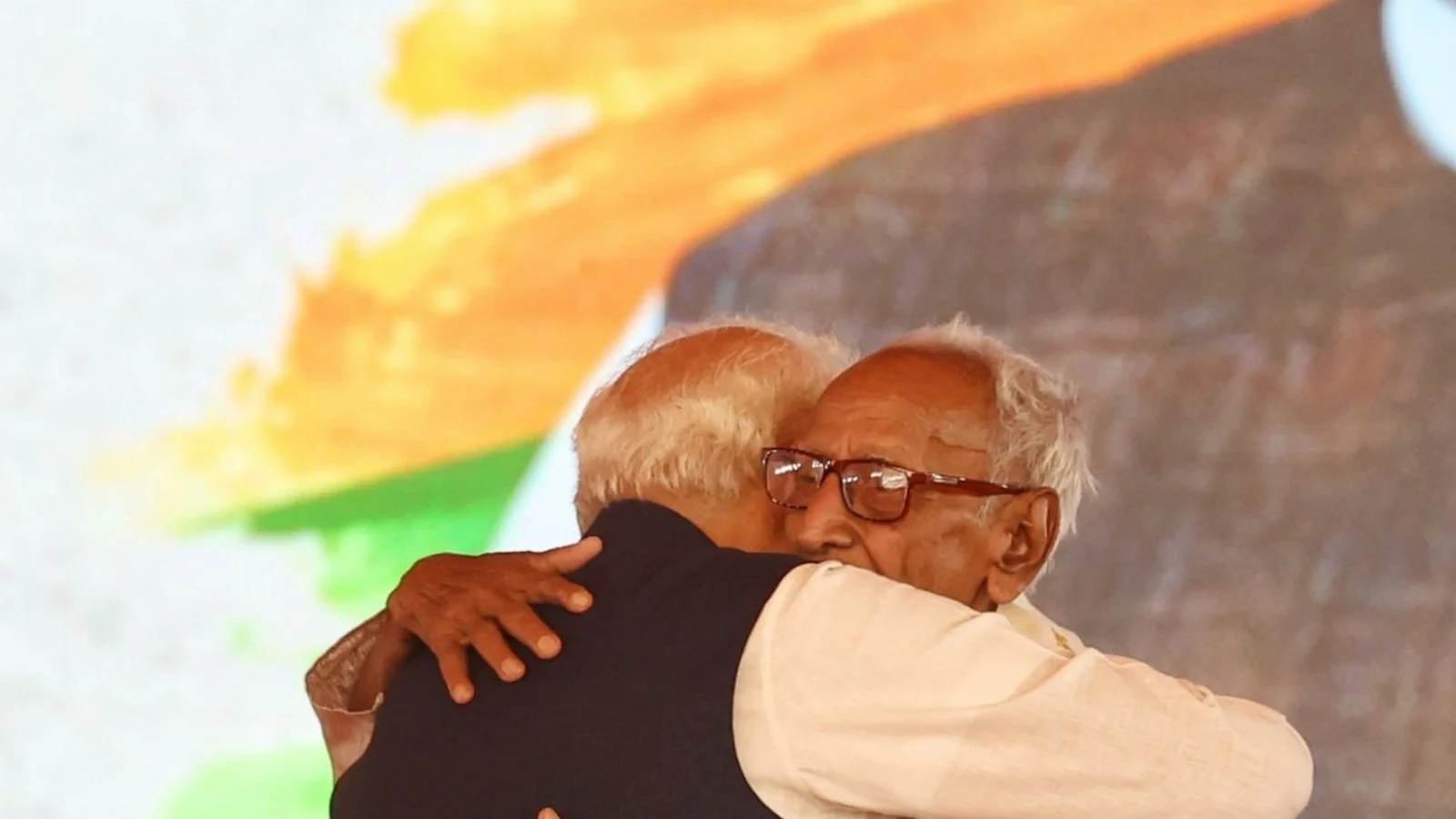
Official reports said Modi publicly honored Sarkar on stage, showing how the party wants to connect the success of this day with its early organizational structure and its beliefs from the past.
Who is Makhanlal Sarkar
Sarkar, who is from Siliguri, is greatly admired by BJP and Jana Sangh members because of his relationship with Shyama Prasad Mukherjee. He worked for the founder of the Jana Sangh and was with him when he died – this memory has given Sarkar a respected position with many generations of party workers.
His political work was also dangerous. In 1952 he was arrested in Kashmir while trying to raise the Indian flag, and was in jail for a while. He was reported to be 97 at the ceremony, though some said he was 98.
After the BJP’s formation in 1980, Sarkar’s organisational imprint widened:
– He became coordinator for West Dinajpur, Jalpaiguri, and Darjeeling.
– Within just one year, he enrolled nearly 10,000 members.
– He led as district president for seven consecutive years, starting in 1981.
The scene in Kolkata
Modi landed at Netaji Subhas Chandra Bose International Airport just before 10 in the morning, then took a helicopter to the Race Course grounds, and then went to Brigade Parade Grounds by car. He rode in a car with the top down, waving to the supporters who had been coming since early in the morning.
The people at the event, who had come from all over West Bengal, from the nearby state of Jharkhand, and even from other countries, covered the whole area in saffron colored cloth. “Jai Shri Ram” was loudly chanted as Samik Bhattacharya (the BJP leader in the state) and Suvendu Adhikari (the future Chief Minister) joined Modi on the stage.
From Jana Sangh legacy to BJP’s future
Sarkar’s life is important to both the BJP’s thinking and how it’s organized. Mukherjee, who is remembered as a lawyer, educator, politician, and a key person in Hindutva ideology, strongly criticized the Congress party, yet was a part of Jawaharlal Nehru’s government, and this complicated situation continues to influence debates about beliefs.
By making Mukherjee’s colleague the focus of the swearing-in, the BJP connected their current win to the early years of the Jana Sangh. Sarkar’s time in prison because of the flag raising in Kashmir and his work to get many people to join the party are now linking the memories of party members to their recent success in the election.
What comes next
With Suvendu Adhikari now in charge, the new government will begin with both high hopes and a feeling of organizational pride. Publicly praising Sarkar showed that the party intends to base its next steps in West Bengal on the people who worked for the party before it was officially created in 1980.
For the supporters, the image of the Prime Minister bowing to a long-time, dedicated party member was both a confirmation of their values and a reminder that political change, while sometimes sudden, often happens slowly, over many years of ordinary work. On Saturday, this long journey was briefly the main thing.