India learned of awful news from Baramati when Ajit Pawar, deputy chief minister of Maharashtra, was killed in a plane crash; this added to the unfortunate history of air crashes which have killed well-known people in public life. From important politicians, to scientists and people well-known in culture, plane accidents have often changed the country’s public life and what people remember.
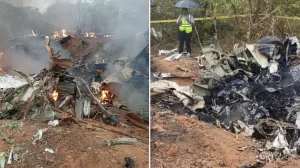
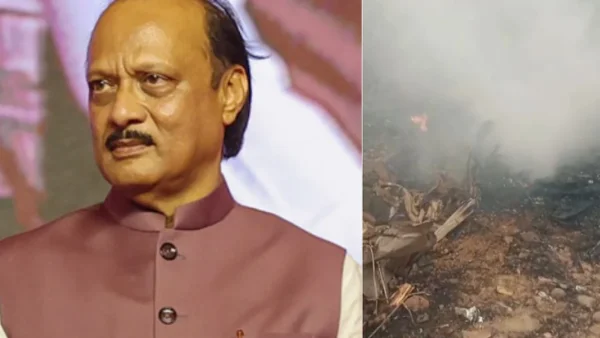
Officials reported Ajit Pawar, aged 66, died when a VT-SSK Learjet 45 came down near Runway 11 at Baramati at about 8:48 in the morning. All five people on the plane were killed. Pawar – the longest-serving deputy chief minister in Maharashtra – was in charge of finance, planning, and state excise.
His death is like a number of air tragedies in India which have changed political situations suddenly. The Ajit Pawar plane crash instantly brought to mind other deaths where normal flights or well-known routes ended in disaster, showing the dangers which remain in VIP and charter flying.
Political leaders killed in plane and helicopter crashes
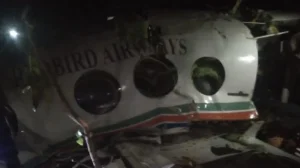
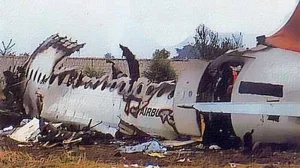
Only last year, the previous chief minister of Gujarat, Vijay Rupani, died when Air India Flight AI171 – a Boeing 787-8 – crashed shortly after leaving Ahmedabad. The plane going to London did not get away from the city, and caused a lot of people to die, and a big study into aviation safety.
Sanjay Gandhi – a key person in Indian politics and an MP at the time – died on June 23, 1980, when a small plane he was flying crashed near Delhi’s Safdarjung Airport. The Sanjay Gandhi crash is still one of the most talked-about plane accidents involving a young, national leader.
Madhavrao Scindia, a senior Congress leader and a previous civil aviation minister, died on September 30, 2001. His hired plane went down in bad weather near Mainpuri, Uttar Pradesh, while going to a political meeting in Kanpur, ending a strong career in parliament.
On March 3, 2002, GMC Balayogi – Speaker of the Lok Sabha – died in a Bell 206 helicopter crash in Krishna district, Andhra Pradesh. Going back from Bhimavaram, the helicopter lost height and hit a coconut palm, making people look again at helicopter flying and what happens in emergencies.
Industrialist-politician OP Jindal – then Haryana’s power minister – and state agriculture minister Surender Singh died in a helicopter crash near Saharanpur on March 31, 2005. The deaths of two ministers on the same plane made people worried about how planes were looked after, how the crew were trained, and how routes were planned for official travel.
Surendra Nath – Governor of Punjab – died on July 9, 1994, when a government plane crashed in Himachal Pradesh in bad weather. Before that, on May 31, 1973, Indian Airlines Flight 440 crashed near Delhi when it was hard to see, killing Union minister Mohan Kumaramangalam, MP K Baladhandayutham, and former MP Devaki Gopidas.
Chief ministers and national security figures among the victims
Andhra Pradesh’s chief minister, YS Rajasekhara Reddy, was killed on September 2nd, 2009, when his Bell 430 helicopter went down in the Nallamala Forest. The search for the helicopter was made harder by the bad weather and the land. The crash of the YSR helicopter really changed politics in the state.
Arunachal Pradesh chief minister Dorjee Khandu died on April 30, 2011, after his helicopter disappeared close to the border between India and China. The wrecked helicopter was discovered some days afterwards in the mountains. The Dorjee Khandu crash made clear the really hard problems of flying in the Northeast’s high-altitude, bad weather.
On December 8, 2021, General Bipin Rawat – India’s first Chief of Defence Staff – was killed in a helicopter crash close to Coonoor, in Tamil Nadu. He was travelling with his wife and eleven other people, from Sulur to Wellington. The crash of the Bipin Rawat helicopter caused a lot of talk about how well the crew worked together, and the ways pilots come into land in hilly areas.
The 2025 Ahmedabad crash, in which former chief minister Vijay Rupani died, showed that dangers are not only with small planes and helicopters. Though not common, accidents involving major airlines can be very damaging to public life when politicians are on board.
Earlier milestones in India’s air-tragedy timeline
The loss of Homi Jehangir Bhabha in 1966 is a sorrow in Indian aviation history. The leading nuclear scientist died on Air India Flight 101 when it hit Mont Blanc after a misunderstanding with Geneva air traffic control. The Homi Bhabha crash is still a very important event in the national memory.
Regional politicians have also died in accidents involving rotorcraft. Cyprian Sangma, a minister from Meghalaya, died with nine other people in 2004 when a Pawan Hans helicopter crashed near Barapani lake. In the same year, the well-known actor Soundarya died in an air crash while travelling from Bengaluru to Karimnagar.
What the pattern shows about aviation safety in India
These events – involving large passenger jets, hired planes, and helicopters – demonstrate how weather, the nature of the land, and how difficult flying is, all come together to make flying in India’s many different conditions more dangerous.
Looking at these crashes shows some things happening again and again: flying into land while still under control, poor sight, mountainous land, and making decisions based on the weather. India’s monsoon seasons, fog, and high-altitude routes all make risk bigger, particularly for helicopter flights and smaller airports.
Important people and politicians travelling often means tight schedules, far-off places, and hired planes; and in these situations, pressure to operate can affect decisions about whether a flight should go ahead. Following standard operating procedures very carefully, and giving pilots the power to refuse flights in poor weather, are still very important.
Technology can help. Systems to give awareness of and warning about the land, better systems to warn pilots when they are getting too close to the ground, and approaches based on satellites, all make pilots more aware of what is going on. So do up-to-date instrument procedures at smaller airports, better infrastructure for helicopter landing pads, and strong checking of maintenance for state aircraft and charter companies.
Clear investigations, sharing of data, and regular training are also very necessary. Making a safety culture that values being careful over being on time – particularly for important missions – is essential to reduce the number of air tragedies in India.
The Ajit Pawar plane crash is a sad reminder that aviation safety is always changing. Remembering those who have been lost means learning from every investigation, and investing in technology, training and infrastructure, to make India’s skies safer.