In a way, you can see it as political posturing. The city is heeding the Prime Minister’s May 10 appeal to hold back on petrol and diesel and to think twice before making a non-essential trip out of the country. But there is also a hard-nosed logic to it. With the world in a state of flux and energy supplies under pressure, the Labour Department says it is no longer enough to just be green; you have to be practical about conserving CNG, diesel and the like.
What the advisory asks of private companies
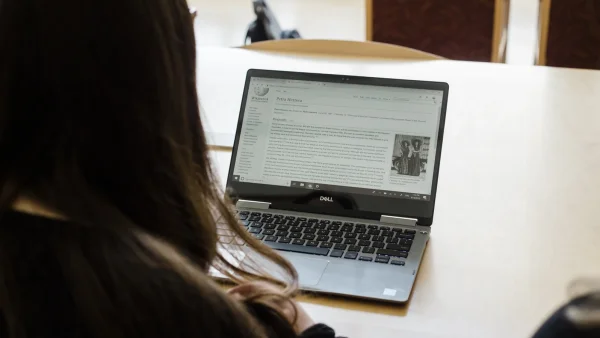
The advisory is quite specific. We are talking to every kind of employer in Delhi – from factories and shops to the IT and ITeS crowd – and we want at least two days of WFH per week. Of course, if you’re in an essential service, you’re off the hook. That goes for hospitals, and for the people who make sure the water and electricity run.
For quick reference, here are the key asks for employers:
– Minimum two days WFH every week
– Staggered office timings to spread peak load
– Promote public transport, carpooling, non-motorised modes
– Prefer virtual meetings over physical gatherings
Then there is the rest of the playbook, some of which we saw in the pandemic. The department is putting its weight behind staggered hours to even out the rush, and for staff to get on a bus or carpool if they can. Virtual meetings are to be preferred over a long drive to the office.
Public transport response
For those who do have to be on the move, the Delhi Metro Rail Corporation will have 24 extra trips from six more trains in the system come Monday, May 18. They may add to that later in the week if they have to. The thinking is simple: if the Metro can handle the volume and firms go hybrid, you’ll see a drop in the fuel used to get to work.
Government offices set the template
You don’t have to look far to see how this is supposed to work. City offices have made the first move. Chief Minister Rekha Gupta has put the ‘Mera Bharat, Mera Yogdan’ campaign in motion for 90 days. Under her watch, government workers are on WFH for two days, with a year-long ban on official travel abroad. The Labour Department will be on top of things to make sure the private side of town does the same.
How Delhi’s approach fits a wider pattern
It’s not just Delhi. Over in Uttar Pradesh, they are mulling over a similar policy for some of their employees. For now it’s a suggestion, but they are also asking for 50 per cent of meetings in their departments to be done online and are looking at staggered shifts to take the edge off peak hour traffic.
What comes next
So the ball is in the court of the private sector. This isn’t a law, but it makes what is expected of you plain to see. The DMRC’s extra runs will be for nothing if companies don’t adjust. If the corporate and IT world can show the kind of adaptability we saw with GRAP or during COVID, then Delhi can make some real inroads on fuel demand without losing an inch of output.