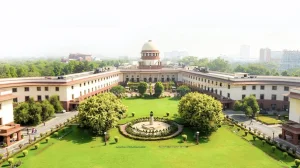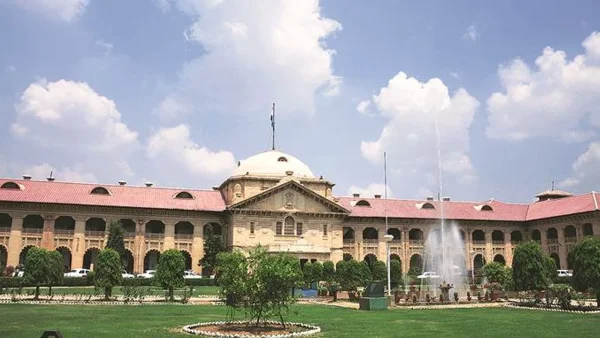
In a decision that will be felt by former MLAs and MLCs in the state, the court has held there is no constitutional bar on the State Legislature when it comes to putting such measures in place. The Lucknow bench was clear: policy is for elected bodies to make.
A PIL had been filed to have the legal provisions for these perks thrown out. The court said no. It’s within the Legislature’s right of way and can’t be overruled just because you don’t like the policy.
Reasoning: legislative space and judicial restraint
“There exists no Constitutional embargo upon the State Legislature in enacting a measure of social security for its ‘Members’, as well as ‘former members’,” the order reads. “The nature, character, and quantum of the benefits so extended do not disclose any manifest arbitrariness so as to attract the prohibition embodied under Article 14 of the Constitution of India.”
Why the petition was filed
S.N. Shukla, of the NGO Lok Prahari, was the one who brought the case. He wanted to see the 1980 Act on emoluments and pensions for the UP State Legislature set aside. In his view, giving out pension, medical and travel allowances to former legislators and their kin was at odds with the Constitution. He even asked the court to put a stop to the state government from making those payments.
The petition highlighted these contested benefits:
– Family pension for former members
– Pension for former MLAs and MLCs
– Medical facilities post-tenure
– Travel facilities for ex-legislators
It was an attempt to frame what are structured entitlements as unseemly largesse.
Bench and timeline
Justice Rajan Roy and Justice A K Chaudhary were the ones who heard the matter. They wrapped up the hearing on February 17, 2026, and the verdict came down on May 13 of this year.
You could say the timing of the ruling shows they left nothing to chance in staking out a firm position. At the heart of it is the fact that the Constitution doesn’t stand in the way of the Legislature providing for its own. And as the bench made a point of, courts won’t step in and make a judgment of their own unless there’s a constitutional wrong to be righted.
By turning down the plea on Article 14, the court found no room for the kind of arbitrariness the petitioner was after. It’s a way of separating a difference of opinion on policy from a flaw in the law.
State’s stand and implications
For its part, the state government told the court during the proceedings that a legislator’s pension isn’t some form of charity or an ex gratia gesture. It is a statutory recognition of the work done in the legislature.
With the PIL gone, the 1980 Act remains the law of the land for former members. The upshot is a reassertion of the Legislature’s authority on the matter and a reminder to the judiciary to let policy be policy, so long as it doesn’t cross a constitutional line.