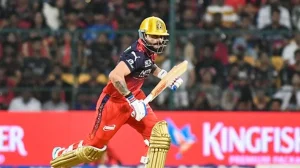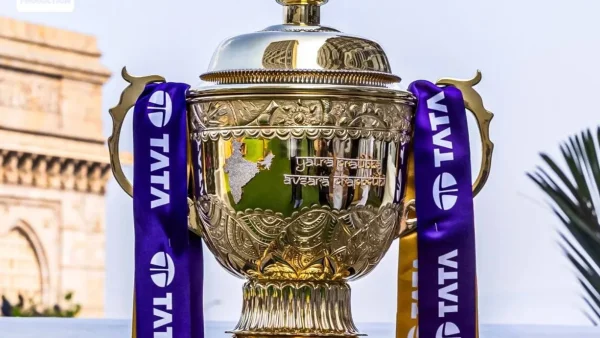
It’s a matter of some import for what is India’s premier cricket event. CTI has been firm in its ask to the ministry, pointing to the Rs 3 per litre hike as reason to keep the remaining matches behind closed doors and consolidate where they are held.
You can see why the timing is what it is. We’re in the home stretch of the season; after the double-header on May 17 there are 10 games to go. If given the nod, it would be an easy enough operation to make the switch.
CTI’s urgent request
Brijesh Goyal, the CTI chairman, made the case in a letter to Sports Minister Mansukh Mandaviya. He is pressing for a model with empty stands and fewer locations to put a dent in the kind of fuel wastage you see across the country.
If you follow the news, you’ve seen the word from the industry. The letter is all about curbing travel and pollution.
Why it matters now
For the CTI, this is as much about economics as it is the environment. They are making the connection to the higher costs households are feeling. A high-mobility affair like the IPL is a good place to show some restraint and ease the strain on fuel.
Then there is the matter of the crowds. You can have 50,000 people for a normal fixture, and all that coming and going from the stadium puts a lot of petrol and diesel in the tank. Do away with the spectators and you have your savings, without having to put the league on hold.
They will point to the pandemic as evidence it can be done. The IPL was run in those bio-secure bubbles then, and a similar set-up would do the nation some good now.
Fuel math behind the push
Look at the figures CTI has. The chartered 737s and A320s the teams fly on are sipping 2,400 to 3,000 litres of jet fuel an hour. Ten or so flights a side and you are looking at 50,000 to 70,000 litres for one franchise over the course of the season.
And that’s not even the road traffic. CTI says if you want to make some headway on fuel in these last few weeks, you have to look at both the team and the fan moving around.
Here are CTI’s key claims and asks in brief:
– Restrict venues to curb extensive team travel
– Stage matches without spectators to cut fuel use
– Aircraft burn 2,400 to 3,000 litres per hour
– One franchise uses 50,000 to 70,000 litres per season
– Crowds reach up to 50,000 per match
What a closed-door IPL could look like
A more controlled way of running things is what they are after. Put the games in a couple of hubs, don’t have the audience make the trip, and the tournament goes on as it should but with less of an energy hit.
It’s a way to put the league in line with a conservation message by reining in the carbon and energy we put out.
What happens next
But in the end, it is up to the Union Sports Ministry. There are 10 to be had, the final and the qualifiers among them. A quick call will tell us if we are sticking with the plan or if we are being asked to save.
Should the proposal be put to bed, fans will have to make do with the screen for a while. The franchises will have to work with the same kind of logistics they did in the bubble days.
CTI has made sure the issue of fuel and climate is top of mind for the summer. Now we wait to see if the ministry wants to make a statement on savings or just let it be.