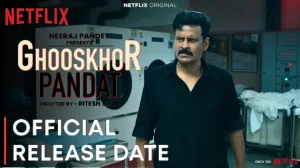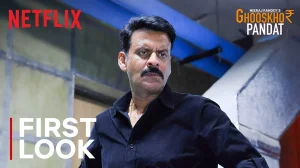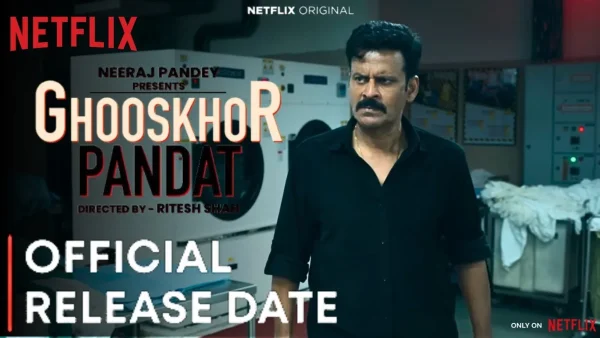
Following complaints brought to its attention by the information and broadcasting ministry, the platform withdrew the film teaser and promotional material. The BJP has accused the same of creating the situation into a full-blown conflict. The movie’s title-linking of corruption-related talk with a caste-related identifier became the basis for legal, political, and cultural responses.
State Order and Ministry Intervention
While complaining to the information and broadcasting ministry about the potentially adverse repercussions of the title on public sensibilities, government administration-intervention appeared. The ministry tried to advise the withdrawal of the teaser and collateral promotional materials while, in the meantime, engendering several rounds of negotiations to determine the entire milieu of the situation.
BJP representatives construed the aforementioned intervention as preventive action under a delicate political situation requiring peace. They held the state responsible for acting whenever the language of public promotions is clearly seen attacking communal or caste sensitivities.
Community objections legal responses
Some in the Brahman community strongly objected to the title of the production as being comparatively very insulting and said that these words could be interpreted to mean that the caste is corrupt. Those objections subsequently sparked substantive complaints and petitions in multiple lawsuits.
An FIR regarding attempts fostering feelings of enmity and ill-will against different castes from the movie after the Uttar Pradesh state registered. The filing of writs and petitions in various High Courts seeking the freezing of the title were the most basic requests for numerous other petitions with collective defamation and harm of public peace.
Political reaction and police action
In the face of rapidly mounting popular anger, the government ordered police to take steps. The need to preserve law and order, especially post the release was persistent, where complaints were processed, and either investigations or accusations were brought by the police against the filmmakers and director based on the complaints made in Lucknow.
Political messaging has been quite balanced with a theme like “on one hand freedom of expression is to be given a little priority; on the other, public interests require a modicum of interference in any promotional activity whenever usage of derogatory language against any community is made.”
The filmmaker’s formal statement and the temporary removal
The director, placing some clear facts before the audience, mentioned that the film was absolutely fictional and that the title was the name of a character, not any representation of a caste. He was quick to note that a few of them might have gotten hurt by this, thus the team had decided to pull down the hoarding, etc. temporarily.
His main actor, Manoj Bajpayee, put the same into words, saying that his character is a victim of a wrongful stroke and that the film was never a statement on any community. So the artist and the criated chose to consent to its removal so that the program could be judged on its entirety within a complete context.
Creative freedom, social responsibility and public debate
The discussion remains about the broader artistic freedom and social responsibility that can be found in an intercultural environment. Advocates for artistic freedom assert that to cater to an audience’s sensibilities and sensibilities, creative endeavors must engage in representation and satire while remaining out of reach in the world of fakery. They consider this principle quite paradoxical, as a powerful piece of art eventually wins over collective critique to portray itself as artistically suggestive. Did such constructive uses serve some kind of a noble purpose when using banned media to depict hidden ethnicity? Artistic freedom plays a role in asking about the potential audience-critical relations regarding a piece of media or performer.
Streaming platforms are regulated by social bodies in the public debate. If the episode portrays that a miserable state of promotion can negatively affect social harmony in the correlation, literary understatement kicks in without much promise.
Scenes like this one have a very real moral, especially when the last three years have contained some disturbing episodes of what one is able to see and perceive on their own account. Streaming services had the ability to put forth a constructive proposal here, to strike such a fine balance between artistic freedom and perceptions of social responsibility put forward by a given community.
The immediate impact is a temporary withdrawal of promotional content while legal and other administrative procedures take place. The situation is still evolving and it is unknown by everyone whether petitions, police investigations, and subsequent public discourse shall lead to the renaming of the movie, reinstating its title above, or subjecting its name to judicial appraisal. This case is supposed to provide a model in dealing with other titles, teasers and how the content platforms and creators handle material of cultural sensitivity.