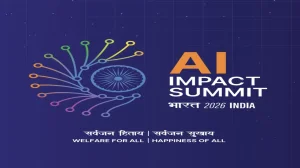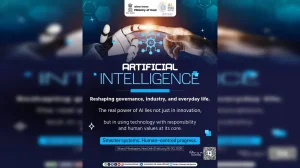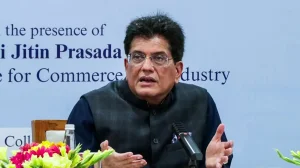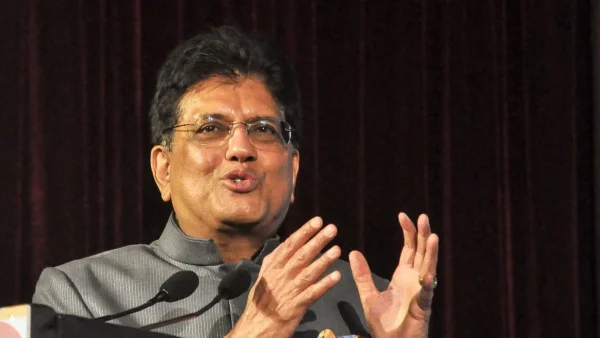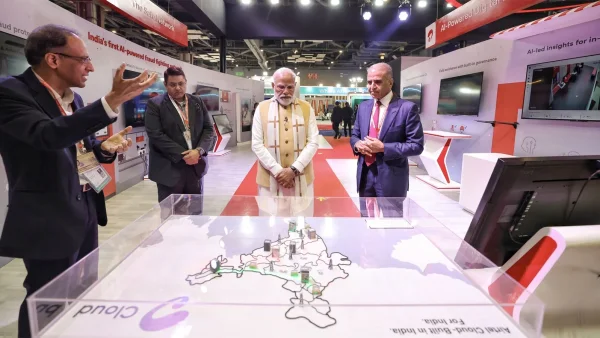
India used the India AI Impact Summit 2026 to really show what practical AI – AI aimed at jobs – could do, with the government saying the technology could help people get better at their jobs, be more productive and make a better living. Ministers Dharmendra Pradhan and Jayant Chaudhary visited the MSDE section, and there, demonstrations which showed what the government wanted to happen, became real-world examples for young people, workers and those who ran very small businesses.
Government shows off AI training at the MSDE section
The Ministry of Skill Development and Entrepreneurship had displays of AI solutions that people could use, trying to go past only a few special uses. The section stressed innovations which were made for India first, and which could get to far-off communities and people in informal work.
People saw very short learning pieces, live information screens and things people could interact with, all made to make everyone – no matter their age or education – understand AI. The displays made clear that even small changes could really improve income, getting a job and how well people did their jobs while doing them.
The main demonstration was an AI advice program made under SIDH by the National Skill Development Corporation. The system links learning, certificates and job paths to give people learning and job advice which is suited to what they’ve done and what they want to do.
A ‘skilling in, with and for AI’ system
The section showed a clear system: skilling in AI, skilling with AI and skilling for AI. Each of these is for different needs – from the most basic understanding, to very good skills, and jobs which meet what industry needs.
Skilling in AI includes programs like SOAR and jobs which fit the NSQF, and also very short qualifications made with industry. These are meant to get learners ready for AI quickly, but still keep links to well-known qualification paths.
Skilling with AI is about changing how training is given and run. AI helpers guide people through job choices, and computer vision and tests watch how well people do practical skills to make certificates more open and standard.
AI tools for people in informal and manual jobs
The ‘Skilling for AI’ area had fun, hands-on examples for farmers, electricians, building workers and weavers. Demonstrations showed watching soil, guessing when pests would appear, finding faults in phones and learning on site in many languages.
Weavers saw AI design tools which could help them get to markets with things made to order, and small farmers saw models which could guess what their crops would be, to improve how much they grew. These examples made the point that AI could increase earnings, not take workers’ jobs.
People from startups and young people spoke to ministers directly, making the point that AI should help what people can do. The stress was still on including everyone, with designs which took into account local languages and slow internet connections.
More infrastructure and AI systems ready to be used
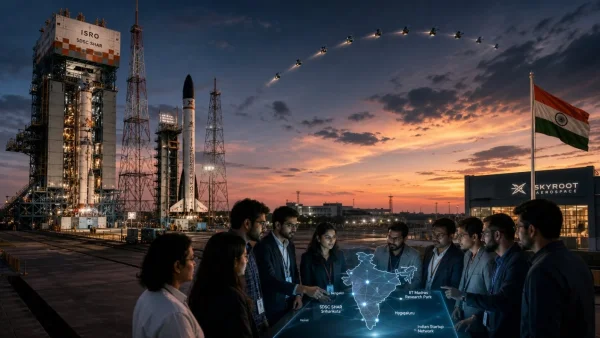
The summit also showed how India’s AI infrastructure was growing, and its own AI models. IT minister Ahswini Vaishnaw said plans were being made to add 20,000 GPUs to the national supply, building on the 38,000 GPUs already there to make the ability to compute much faster.
People showing their work had robots which were ready to be used in shops, moving things and clever farming, showing a change from things made in labs to real ‘physical AI’. Large language models made for the details of areas aimed to end language problems for small businesses.
People showing their work had supercomputers, edtech, healthtech and fintech security solutions, showing a wide effort to put together computing, models and what people know for AI which is responsible and local.
What policy should be: rules, payment and the future of work
People speaking balanced being hopeful with being careful, asking for a tech and law approach to reduce harms such as deepfakes and misuse. The IT minister asked for stronger rules and fair payment for people who made things which AI systems learned from.
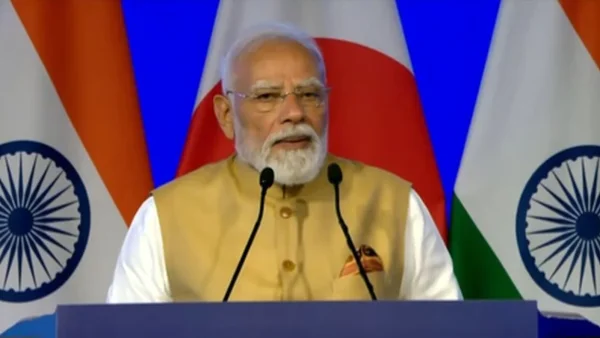
Prime Minister Narendra Modi stressed being ready, not afraid, saying that a lot of learning and re-learning could turn problems into chances. He called AI a ‘force multiplier’ which would let professionals help more people, and more efficiently.
The government set out its plan around being its own tech power, growth which included everyone, and leading with new things. By putting policy, infrastructure and learning programs together, people in the government want to keep India’s people as a good thing, and help young people move into new jobs run by AI.
Conclusion
The India AI Impact Summit 2026 moved attention from only talking about AI, to real action. Through the MSDE section and the wider exhibition, the government said AI policy would be judged by jobs made, skills improved and services made better – not just by news or lab demos.