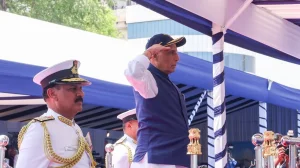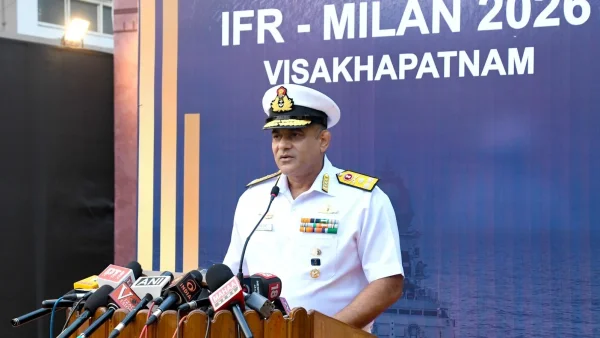
The Indian Navy has opened Milan Village in Visakhapatnam to go with Exercise MILAN 2026; it’s a special place for people from over seventy nations to experience Indian culture. The Village was opened on February 15th by Vice Admiral Sanjay Bhalla, who is in charge of the Eastern Naval Command. It’s meant to make naval working relationships better through relaxed talks and cultural diplomacy.
Milan Village: a carefully planned cultural center
Milan Village has live musical performances, shows of folk dancing, and displays of art that show the many different parts of Indian culture. The area also gets together craftspeople and people who show off naval items, traditional handmade things, and handwoven cloth.
There are food stands with all sorts of Indian regional food, giving the officers and sailors who are visiting a quick and complete feeling of what Indian culture is like. This kind of setting goes past just formal meetings – it lets people connect personally while they are all having the same experiences.
MILAN 2026: what the exercise will cover and what it wants to do
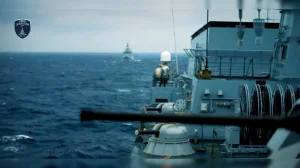
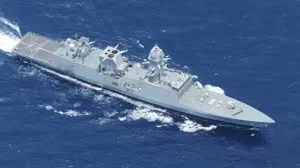
MILAN 2026 is from February 15th to 25th and is one of the largest naval exercises with many nations in the Indo-Pacific area. The naval forces that take part will do Harbour and Sea Phase work which will concentrate on fighting submarines, working together on air defense, looking for and saving people, and doing security work together.
The exercise is to make it easier for forces to work together, to make sure everyone knows what’s going on in the ocean, and to make sure everyone is ready as a group to protect oceans that are open and follow rules. Milan Village helps these goals by making the trust and friendship that is needed for good work together at sea.
Visakhapatnam: the place where sea powers are coming together
Right now, Visakhapatnam is the place for a rare coming together of important sea events – MILAN 2026, the International Fleet Review 2026, and the IONS Conclave of Chiefs. Because of this, the city is at the center of India reaching out to partner navies and people in the area.
Vice Admiral Sanjay Bhalla said that Milan Village is like the professional work being done, as it makes cultural connections. The Eastern Naval Command has made the place a ‘soft power’ tool to go with the ‘hard power’ work of the exercise.
Cultural diplomacy and building relationships
The Village shows that naval diplomacy is more than just plans and ships – it’s about traditions everyone shares and talking to each other. Relaxed places like this speed up building relationships by letting officers share what they think, celebrate things they have in common, and make strong personal bonds that will last.
Naval groups can look at the things on show, buy handmade things, and taste foods from the area, and all of this helps people to understand each other. Often, these human interactions lead to better work together on joint tasks and hard exercises at sea.
What the event means for security and working together in the area
When Milan Village is seen with the work being done in MILAN 2026, it has two main strategic purposes: it shows India as a security partner people can depend on, and it pushes for ways of working together on ocean problems. The event goes with the Indian Government’s MAHASAGAR idea of all nations working together to take care of the world’s shared areas.
By putting together high-level tactical work with cultural exchange, the Indian Navy is moving forward with a full way of getting involved. This way supports being able to work together and being ready as a group, and also makes stronger rules which support a free, open, all-inclusive, and rule-based ocean order.
Long-lasting good things for ties between many nations
Other than the good feeling now, Milan Village can give long-lasting good things in defense diplomacy and working together in the area. Personal relationships that last and knowing each other’s cultures well lessen problems and make partner navies act in ways people can expect.
As MILAN 2026 goes on, the Village will stay a central place for reaching out to groups of people who have been sent by their countries, for making networks, and for building trust. The mix of professional work and cultural getting involved shows a practical way to build strong naval partnerships.