Ameesha Patel is facing a non-bailable arrest warrant from a Moradabad court in a case about a bounced cheque and fraud – something to do with booking an appearance at an event in 2017. This is happening at a time when old disagreements she’s had are being looked at again, and it’s similar to the legal problems a number of other performers have been in. The actress has said publicly she did nothing wrong, and that the problem was settled a while back.
Court Issues Non-Bailable Warrant in Moradabad
The Moradabad court in Uttar Pradesh issued the warrant after the actress supposedly didn’t go to court when she was told to. The case started in 2017, and concerns an event planner who says he gave money in advance for a performance which didn’t happen. People dealing with the case tell us the planner made an official complaint after trying – and failing – to sort the issue out privately. The court’s action shows the planner believes court rulings weren’t followed, and so harder steps are being taken.
Allegations in the 2017 Event Dispute
The complaint says Ameesha Patel was booked to perform at a wedding on November 16th, 2017. The planner says an advance of 1,450,000 rupees was paid and a hotel was booked, but the performance didn’t go ahead. The complaint also states the actress asked for more money while she was in Delhi and left when the extra money wasn’t given to her. It also states a cheque for 200,000 rupees which was given later was not paid, resulting in charges under a number of parts of the Penal Code – including fraud and a breach of trust.
Ameesha Patel’s Response and Legal Strategy
On social media, the actress said the matter was ‘very old’ and that the planner had signed an agreement and got the amount they had agreed on. She said the disagreement had been sorted out before and called the new legal steps untrue claims. Her lawyers have apparently said they will begin appropriate criminal action, accusing the planner of fraud. Patel said she would rather concentrate on her work while her lawyers deal with the legal problems and disputed claims.
Related Legal History and Previous Settlements
Ameesha Patel has been in other financial disagreements in the past, including a 2018 case about an uncompleted film called Desi Magic. Sources near the end of the disagreement say that case finished in 2024 after she apparently paid 25,000,000 rupees back to the producer. These past events show how long-running financial disagreements in the film world can come up again years later. Agreements and repayments don’t always stop new legal action if people claim rules or contracts were broken.
Rajpal Yadav Case and Broader Industry Impact
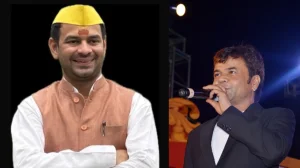
The new warrant comes after high-profile events in another actor’s long-running case about bounced cheques. A fellow performer recently faced legal action over cheques which weren’t honoured and were linked to a loan for a directing project – with the disagreement going back more than ten years and the amount owing growing with interest and penalties. Such cases show the financial and legal pressures that can affect performers and producers. They also show the role of courts in making sure contracts are kept to and the role of the Negotiable Instruments Act in cheque disagreements.
Implications for Artists and Legal Accountability
For performers and producers, these events show how important clear contracts, agreed and written settlements, and being on time with court rulings are. Legal advice and quick ways to sort problems out can lower the risk of harder enforcement – like non-bailable arrest warrants. For the public, this is a reminder that being legally responsible applies to everyone, no matter how famous they are. Courts will act on confirmed complaints, and both people making complaints and people being complained about may go back to court even after agreements if disagreements come up again. The Moradabad warrant puts attention back on the case and on how the parties will sort out outstanding legal questions. People who watch these things say the next steps will likely be legal papers and court appearances, as each side tries to prove their version of events.