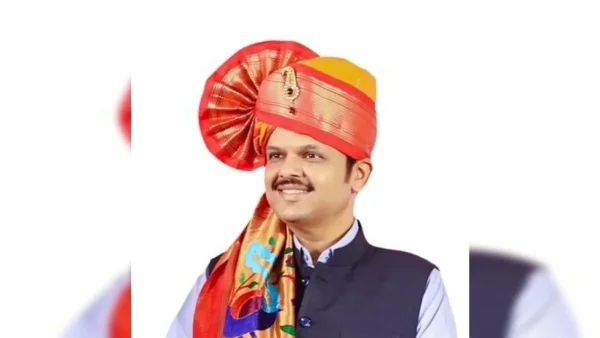
Mumbai Climate Week began in Bandra with the definite purpose of making talk about climate change into actual climate action. Maharashtra Chief Minister Devendra Fadnavis opened the three-day meeting at the Jio World Convention Centre – starting a programme made to display solutions which could work for cities, states, and countries in the Global South.
The event is from February 17th to 19th and is being put on by Project Mumbai, in cooperation with the Maharashtra Government and the BMC. The main area at the convention centre is the centre of a larger set of events happening on campuses, in communities, and at cultural places across the city.
The people speaking and the meetings bring together experts from all over the world, the country, and the local area, to make doing things more important than just talking about them. The idea is to move on from arguments about what should be in climate policy, to real projects that will lower emissions, make things stronger against climate change, and make green jobs in towns and cities.
The opening ceremony had leading government people, those who make policy, and civic leaders – including Maharashtra government ministers, the new Mumbai mayor, and people from development organisations. A video message from Prince William showed support from around the world for climate changes that can be done on a big scale.
Targets for renewable energy and the 84 GW plan
Fadnavis explained that Maharashtra wants to get to about 84 gigawatts of power it can make by 2030 – with over 51 percent of that coming from green and clean energy. That means a big speed-up from the about 48 GW it can make now, and the 21 percent of that which is renewable.
The Chief Minister said that the target was both good for the environment and for the economy. He said that states which change early will get money, skilled workers, and new ideas as global investment moves towards markets which are sustainable.
Speakers said that India has added a lot of renewable power recently – giving an increase of 55 GW in one year towards the country’s total of renewable power. Maharashtra is shown as being a big part of that growth, and as a way of getting the right balance between making things on a large industrial scale and using cleaner energy.
Policy changes and help for people in the countryside to get energy
Union Minister Prahlad Joshi said that Maharashtra would get 100,000 more solar pumps under the PM Kusum scheme. This is to make clean watering of crops more common, lower how much diesel is used, and make farmers more sure of their income, while putting renewable power into energy systems in the countryside.
Joshi also stressed how India is doing well in making growth not linked to emissions – saying that emissions have gone down over the last ten years even though the economy has grown fast. He said Maharashtra was a good state where growth and looking after the environment could go ahead together.
These statements make stronger a set of policies which link making farming stronger to wider goals of changing energy. They also show how giving special help and running programmes can make it possible for everyone to get clean power.
Making cities stronger, electric vehicles, and putting money into infrastructure
Fadnavis said that climate change was a problem for how a huge coastal city like Mumbai is run. He pointed to heatwaves, rains at the wrong time of year, and very heavy rain which stop people from making a living, trade, and building things in the whole city.
Maharashtra plans to make renewable energy more common in industrial areas, speed up the use of electric vehicles in towns and cities, and put money into stopping floods and planning which is good for the climate.
These things are to lower risk, while making the city’s economy and how good it is to live in better over the next ten years. Government people said that putting money into infrastructure was a chance to get green money and get private companies to come up with new ideas. The state government says that those who do things first will get an advantage in a world market for sustainable development which is changing.
The Global South and a climate change that includes everyone
Mumbai Climate Week is stressing solutions made for the Global South – where the need to fit to climate change and what people need to develop often come into conflict. People at the meeting talked about ways to make sure that changing to a new climate stays fair and helps people and workers who are easily harmed.
The meeting wants to make high-level promises into projects for cities and policies which can be used in other states and countries. By making doing things the main thing, the meeting wants to turn wanting to do things into measurable lowering of emissions and making things stronger against climate change.