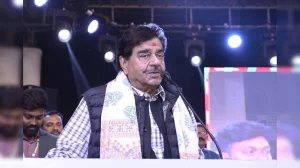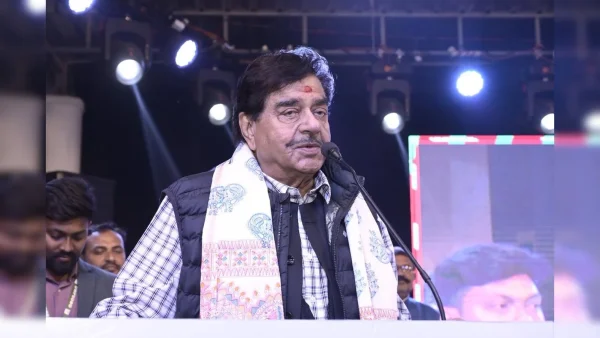
Well-known actor and politician Shatrughan Sinha has gone to the Bombay High Court asking for his personality rights to be safeguarded – and, in particular, to halt the use of his famous line, ‘Khamosh’, without permission. The seventy-nine-year-old is requesting the court to grant him immediate, temporary protection, to stop websites and online services from using his name, appearance, voice, habits and well-known phrase without his agreement.
The request and the temporary protection being asked for
Sinha made the legal claim through his son and is asking for a temporary injunction to prevent known and unknown people from using his public image. The petition wants the court to prevent any business-related use of his photograph, how he looks, his voice, his famous saying, and his general public identity. The actor and politician is also seeking a lasting injunction, and either 20 crore rupees in compensation, or, instead, an order to find out how much profit has been made from the supposed unauthorised exploitation. The judges who heard the case have said they will give their decision on the temporary protection request at a later date.
The legal basis rights of personality and publicity
The petition presents the claim as a breach of the basic, and ownership, rights of a well-known public person. It states that many years of work in performance and appearing in public have created a great deal of good feeling – and business value – around Sinha’s identity. The legal claim also makes a moral point about performances, and aims to stop changes, damaging or altering of his recorded work in a way that could harm his good name and the value of his brand. The legal strategy mixes publicity rights with claims based on safeguarding performances.
Claims of unauthorised use and GIFs
The papers submitted to the court allege that there is a lot of misuse online, including edited video recordings turned into graphics interchange formats – GIFs – and other works created from them. The person making the claim says these changes and distributions happened without any warning or permission, and that they change the meaning of his work in performance. Sinha’s lawyers say that these digital works are being used to make money and for personal benefit, increasing the need for the courts to protect the rights of personality in the digital world. The petition lists a number of worldwide tech services, go-betweens, online shopping sites and other online companies as people the court is addressing.
What has happened before and recent court cases involving famous people
This case is part of an increasing number of public people asking the courts to give protection to their rights of personality and publicity. In recent years, several actors have gone to court to stop business-related, unauthorised use of who they are, creating a growing series of precedents in this field. Courts have become the main place to settle disagreements between content made by users, the responsibility of services, and the rights of famous people. Judges often now balance free speech and the protection of go-betweens against the reputation and financial interests of public figures.
Possible results and wider effects
If the court gives the temporary protection, online services may have to take down or disable content which is disputed, and put in place ways of getting agreement for business use. A lasting ruling could make clear the extent of personality rights over famous lines, habits and short video clips. Such rulings would have wider effects for people who make content, social services and advertisers. They could cause clearer rules for taking content down, licensing arrangements and checks on business re-use of images and sound of famous people. For public figures, a good result would strengthen the legal tools to control business exploitation. For services, the case shows the need for better control of content, management of rights and clear ways of getting problems put right. Sinha’s request to the Bombay High Court shows the tension between viral digital culture and established rights in a public image. The final decision of the court could shape how judges balance creative expression, the responsibility of services and the financial value of the identity of famous people in the internet age.