India has lowered the resistance to accepting the Chinese equipment for power and coal sectors however this concession is limited, particularly in the context of the public sector, following difficulties encountered due to shortages and delays in project implementation according to government sources. This reversal is unusually noteworthy as it departs from the policy framework lasting five years under which Chinese suppliers were marginalised in award of big government contracts.
Range of changes and what is implemented in the short term
The sources mentioned that in the process of switch over of operations the government allowed purchase of a certain component for power-transmission equipment from China without having to seek prior approval from the main office. They also emphasized that the relaxation is not unrestricted in its application as it is only for particular items that are experiencing a problem with the local suppliers. It will be up to the central power and coal generation companies to apply for case-by-case non-compliance with certain equipment. This policy will not make it possible for the Chinese companies to participate entirely in the bidding but it will at least help the authorities to respond to emergencies and assist in the progress of the delayed projects that are run by such organizations.
Explanation of the changes
The lack of supplies and congestions emerging in large energy projects had been highlighted as they feared that Chinese shutdown would affect the country’s productive capacities and may impede the supply of important infrastructure. In the same vein, this conclusion was also made after weighing highly set objectives constraining the complete disregard of country concerns. The pushback on ‘waiver’ status was put as one of ‘national interest’ to forestall possible bottlenecks threatening the availability of electricity and the utilization of coal available at the mine.
Inter-ministerial review and approvals
The ad-hoc group of senior government officials granted the above exemption, and issuing of a formal correspondence is imminent, according to the source. A separate procedure will be applied to the submission of subsequent waiver applications, whereby inter-ministerial input from the national security apparatus institutions takes precedence in the approvals. Other ministries such as Finance, Industries, Home, Power, and Coal will be involved in the assessment of technical, economic, and security impacts. Each approval may have specified conditions, and where appropriate may also have expiry would protect domestic suppliers.
The reasons for the changes in the current aspects of the field.
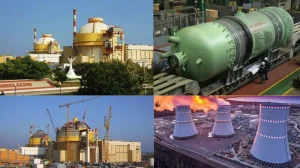
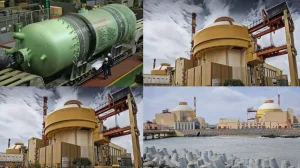
The preparatory rates of the updated improvements in the signs of energy power and transformer projects are considered that the supply of these budget will face a substantial deficit of abstracts. As procurement would be agnostic of proprietary technology, however, at the same time streamline the investment and simplification of procedures are introduced. Nuclear energy projects are also associated with other technologies, such as safety purpose of the equipment . However, current plants, as well as new powerplants under planning, still depend on conventional sources with very little renewable energy penetration.
Energy security, including nuclear energy, has been assessed to be the weakest element in the energy security edifice of the country. The work undertaken by DAE in nuclear energy promises to cover almost the entire spectrum of activities, from setting up of facilities for nuclear power generation to the disposal of nuclear waste.
The reasons for the changes in the current aspects of the field. -In an effort to account for both security as well as commercial aspects, a sense of understanding will need to be in force. Therefore, the Chinese bidders will still require clearances in some sectors, given the need as well as the extreme controversial nature of the situation. Providing completion defect will be evaluated and agreed by the various security and relevant sector ministries. This kind of approach is intended to deal with the need to protect critical infrastructures and also not to have work stoppages because of the absence of these components. The policy alteration expresses confidence about the government’s ability to be realistic while retaining the strategic protection.
In respect of the future developments of Indo-China trade relations and Indian industry
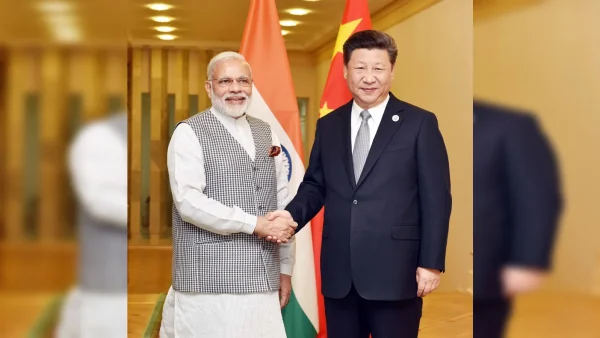
These modifications have been put in place as the two countries look into adventitious and specific engagement of commercial activities. However, officials have reiterated that the relaxation is a calculated one for a short period of time. In the long term, there may be a preference on the part of India to scale up its domestic capacity for producing transformers, reactors , and other pieces of crucial equipment so as to depend less on imports. In the meanwhile, spot imports would be important to sanction product gaps and ensure the progress of the power and coal sector projects.