YouTube had a large problem on Wednesday morning, and for over an hour, many of the hundreds of thousands of people who use it couldn’t get videos to load, couldn’t see the little pictures of videos, or get the videos it suggested for them.
The problems began at approximately 6:00 am and were at their worst in the hour after that; lots of people only saw the basic framework of the website, and no actual content showed up. Services connected to YouTube also had trouble.
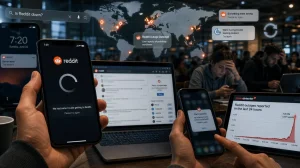
The number of problems people reported to websites that keep track of these things quickly went up to almost 340,000 when the disruption was at its biggest, which showed a very sudden increase in complaints.
The number of reports went down quickly around 7:30 am, and the company then said that things were slowly getting better throughout the morning. The outage impacted several areas, including the US, India, the UK, Australia, and Mexico – it was a worldwide issue. Downdetector, and sites like it, collect reports from users, so the real number of people affected might be more, or less, than what those sites show.
What caused the problem: a fault in the recommendations system
The company said the issue was a problem with its system for recommending videos, and that this stopped videos and thumbnails from appearing on a number of places on YouTube. This system is used for the main YouTube page, the YouTube app, YouTube Music, and YouTube Kids, so one issue caused problems everywhere.
The engineers said that the main page started working again even before the entire problem was fixed, and they kept working to get everything back to normal. Later the company said the recommendations problem was fixed, and that problems with logging in to YouTube TV – which were connected to the larger problem – were also being dealt with.
What the problem looked like for users
Most of the complaints were from people using the app, although some people had the same issues in web browsers and on YouTube TV. People often said the app was crashing, videos wouldn’t play, their feeds were blank, and they kept getting messages that “something went wrong”, which stopped them from being able to watch normally.
A lot of people said they could only see the basic structure of the pages, but without the pictures of videos, or the video blocks, which meant they couldn’t use the interface. People trying to log in to YouTube TV also had problems that were linked to the wider issue with the platform.
What the outage means for how dependable the platform is, and its structure
The outage showed how systems that are central, like the system that recommends videos, can create single points where everything can fail, when they are used by a lot of different products.
As millions of people use streaming platforms every day, even small interruptions can cause problems for the people who make content, the people who advertise, and the people who watch. This problem came after other recent failures of big services, which shows that the whole industry needs to have systems that can be used as a backup, and more solid failover systems.
Monitoring tools, and reports from users in real time, give a quick idea of what is going on, but they also show just how obvious and disruptive these kinds of incidents can be.
What users can do during outages of platforms
If you come across a similar outage, first look at the official status page for the platform, or the official account that has been verified, for updates before you try to fix the problem yourself. Simple things like restarting the app, clearing the app’s memory, or using a different device can sometimes get you back in.
Don’t try to log in again and again if the service is telling you there is a problem with logging in, as too many attempts can cause even more blocks. Use other platforms for official updates and wait for confirmation that the problem is fixed before you assume your device is at fault.
YouTube’s teams gave updates during the event, and confirmed that the issue had been solved later in the morning, and said that connected services were getting back to normal. The public information helped reassure users, and gave them a timeline for when things would be working again.
The disruption reminded everyone that even systems that are well-established and used by a lot of people can have outages. Providers must balance complicated recommendations and features that make things personal, with strong safeguards, so that one issue doesn’t stop service for large numbers of users.