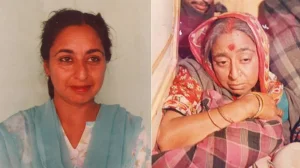
Pravina Deshpande, a well-known actor in television, movies, and theatre, has died at the age of 60, following a long fight with cancer. She had been receiving treatment for multiple myeloma since 2019, and didn’t hide her condition while being treated. Her family announced her death on February 17, 2026, and remembered her many years of work in film and on stage.
Career and what she will be remembered for
Deshpande made a varied career for herself in Hindi and Marathi films, on TV, and in theatre. She was in popular series like Ghar Ek Mandir, Kumkum, Karam Apnaa Apnaa and Kulfi Kumar Bajewala, and so was a regular face in a lot of people’s houses.
She acted in the films Ready, Ek Villain and Parmanu: The Story of Pokhran, giving a lot of depth to smaller roles. People she worked with recalled her dedication, kindness, and how she was always willing to help younger performers, as being what she would be remembered for professionally.
Her illness and how she was treated
Deshpande first had problems in 2019, noticing skin spots which slowly got worse, before being told she had multiple myeloma. She told people how the first signs were not very clear and changed over time. In 2022 she got very bad back pain which meant she needed more treatment. She finished a series for the web in September, and then had chemotherapy and a bone marrow transplant. Her husband and family gave constant help during her long period of medical care.
What multiple myeloma is
Multiple myeloma is a cancer of the blood which affects plasma cells in bone marrow. Plasma cells usually make antibodies to fight infections; in multiple myeloma they grow in an unhealthy way and can make growths in bones.
The illness often causes pain in the bones, anaemia, tiredness, a weaker immune system and problems with the kidneys. Although multiple myeloma is not often thought of as something that can be cured, current treatments can deal with the symptoms, slow down the illness and make people live longer.
Signs and warnings of multiple myeloma
Bone pain is often the first and most obvious symptom, particularly in the back, head, chest, pelvis or upper thighs. Pain that continues or gets worse should be checked by a doctor quickly. Other warning signs are feeling tired for no reason, getting infections often, numbness or pins and needles in the arms and legs, losing weight for no reason, feeling sick and not wanting to eat.
Often breaking bones or really bad back pain when doing normal things are worrying signs. Tests to find out what is wrong usually include blood tests for strange proteins, testing urine for protein, scans and a sample of bone marrow taken to see if there are bad plasma cells. Finding it early gives better chances for treatment and dealing with the symptoms.
What causes multiple myeloma and what makes people more likely to get it
Doctors don’t know one single thing which causes multiple myeloma, but it comes from genetic changes in plasma cells during a person’s life. Certain changes in genes can affect how bad the illness is and how it might react to treatment.
Things which make it more likely to happen include being older, being male and certain ethnic groups – it happens more often in people who come from Africa. Being overweight, being exposed to some chemicals such as pesticides or things from industry, and a rare number of cases in families are also linked to a greater risk.
When to get help and support
When to get help and support
Anyone who has pain in the bones which doesn’t go away, feels unusually tired, gets infections often, or any of the other warning signs listed should see a doctor quickly. Being sent early to a blood specialist or cancer doctor can speed up diagnosis and getting access to treatments like chemotherapy, treatments which target the illness, or a stem cell transplant.
Emotional and practical help is important during a long illness. Family, people who care for you and groups of patients can help with decisions about treatment, dealing with symptoms and the quality of your life. What people said on social media and in public tributes showed the respect a lot of people had for Deshpande and showed how important care is when someone has a serious illness.
Pravina Deshpande’s death shows how multiple myeloma can affect people who are active and have achieved things. Knowing the symptoms, getting a diagnosis quickly and well-planned care are the best ways to deal with this complicated blood cancer.