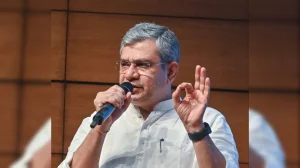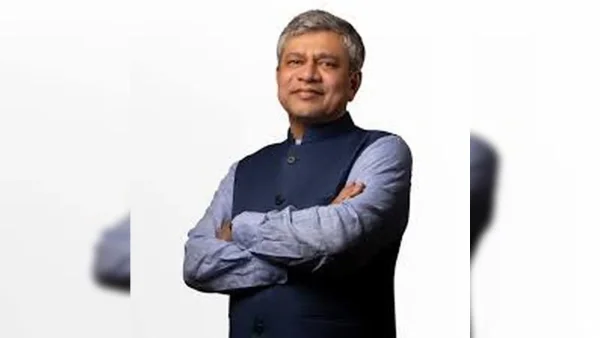
India’s IT minister has said the government is actively talking with the main social media companies about setting age limits on who can get on and the problem of deepfakes. Ashwini Vaishnaw, the minister, put these talks as a part of a wider attempt to make things safer on the internet – and to protect kids and the public from new kinds of danger coming from digital tech.
Government work on age limits and deepfakes
Vaishnaw explained the government is talking to people in the business to work out what the best way to regulate is. He said deepfakes are a bigger and bigger danger which needs better rules; and he made clear age limits are a key thing being looked at, to keep young people safe from bad content and getting into patterns of using things too much.
People who make rules are looking at what tech and policy steps companies could take. Talks cover checking ages, getting parents’ permission, and making sure the content people of different ages can see is right for them – and that kids don’t come across as many tricks like autoplay or adverts chosen for them.
The legal situation and what India already has to keep people safe
At the moment, India doesn’t have a legal minimum age for using social media, but its data protection law does say parents’ permission is needed to use the data of people under age. The Digital Personal Data Protection rules already make a difference based on age for some data work, which shows a change in policy towards seeing age-related dangers on the internet.
Officials have also talked about possible changes to the Information Technology Rules, 2021, to put age limits into law for users under a certain age. Any change would have to balance freedom of speech, privacy rights, and how practical it would be to make sure all kinds of digital services follow the rules.
What the Economic Survey said and why public policy is doing this
The government’s latest Economic Survey said it should look at age limits and cutting down on too much online teaching to cut down on digital addiction. The Survey told companies to check ages and set defaults right for the age of the user, and to take responsibility for limiting how much young people come across gambling apps, autoplay, and adverts chosen for them.
People who support this policy say these steps could cut down on compulsive behavior in teenagers, and keep them safe from content which is trying to trick them. People against it say it would be hard to enforce, and that we need to avoid rules which are too wide, and stop good educational and social work.
What other countries are doing
Several countries have already moved towards age-based rules, giving India examples to look at. One country has recently brought in a ban stopping children under a certain age from making accounts on some social media sites, while others have suggested parents’ permission or checking ages to limit what under-age people can see.
What’s happening in other countries shows that companies are usually the ones who have to enforce the rules, with fines and penalties for breaking them too often. These examples show both how well companies being held responsible can work, and how hard it is to check ages properly when you have a lot of people.
Working out a careful approach for India
Indian officials say the likely approach will be careful, not all-or-nothing. Instead of a total ban, people who make policy seem to prefer blocking certain types of content or features for younger people, while letting those of the right age use services and educational things. Key questions that need answering are how to check age without breaking privacy, how to set defaults which are good for kids, and what system of enforcement would make sure people follow the rules. The aim is to protect young users, while still letting them get to good information and social life.
What people agree on and what happens next
Vaishnaw said a committee in parliament has looked at this in detail, and that getting wider agreement will be very important for any tougher rules. The government is said to be looking at changes to rules, but any real plan will likely come after more talks with people involved, and talks in parliament.
As the debates go on, the balance between protecting children from danger on the internet and keeping the digital world open will shape what India does. Look out for plans for rules which put the responsibility on companies, check ages, and have special safeguards – rather than total bans.