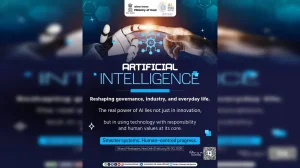
Google’s Sundar Pichai was in New Delhi this week for the India AI Impact Summit and said on X – formerly Twitter – that it was ‘good to be back’; his brief post mentioned a friendly reception and some papers that had been well received, setting the mood for an important trip to a meeting about AI that is both responsible and for everyone.
What the summit is and who came
The India AI Impact Summit began on February 16 at Bharat Mandapam, with leaders of the country opening it. The five-day event is for tech people, those who make laws, researchers, and new businesses, to talk about what AI is doing in the world. People from over 100 countries signed up, including heads of countries and governments – showing how important the summit is to the world.
The event has lots of talks and a very big area for showing things off. People who organised it said there were more than 400 stalls and over 100 official events, and also lots of talks that were shown on the internet or were not official. The size of it shows India is a key place for making AI laws, getting money for it, and working with others on research.
What happened on Day 1 and the India AI Expo
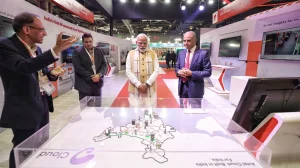
On the first day, the India AI Expo opened with the summit, to show new businesses and already well known companies. The Expo was a chance for people who make new things to show how their language models work with many languages, cloud systems, and AI tools that can be used in businesses and public services.
Leaders at the Expo spoke directly with the people who started the businesses, going to the stalls and talking about how things could be used. Having schools, business people, and those who started new companies made a place where people thought about using things and working together, not just about ideas.
Day 2 was about making AI available to everyone and the many languages of India
Day 2 was about making sure AI is for all parts and languages of India. Talks and demos showed language models that are very big and are made for local ways of speaking and cultures. These tools are to help small business owners in places far from towns with keeping accounts, making material, and using the internet.
People speaking said that AI needs to be more than English to grow in India. Local data, models that understand culture, and designs that respect local habits were things people kept coming back to. This sees AI as helping people to live as well as doing advanced research.
Talks about laws and rules on age, fake videos, and money
Talks about laws covered new things that laws need to deal with, like age limits for using social media and control of deepfakes. People in charge showed they wanted better protection for young people on the internet and harder rules on videos that had been changed to keep people trusting and safe.
People in charge also talked about how much money they expected to come to India for AI in the next two years. Law makers said rules were needed that allowed new things to happen and made sure things were done correctly and in a good way.
What Sundar Pichai is doing and how Google will work with India
Sundar Pichai – the CEO of Google, who was born in India – is to give a main talk on February 20. He has said Google is a partner for India’s AI story, giving systems, power for working, models that are open, and working with local schools.
Pichai has said Google will do everything: giving cloud power, supporting energy that does not harm the world, and putting money into people and new local businesses. What he says to the public shows he is for open data and technology that can work with each other and be changed for India’s different markets.
What this means for India and working with the world on AI
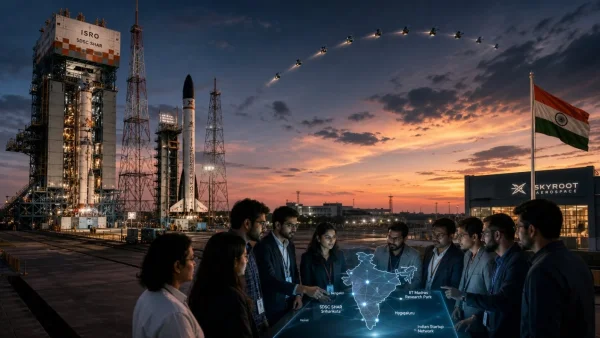
The summit shows India is a centre for using AI that is both for everyone and knows about laws. By putting together language models, the energy of new businesses, and working with other countries, the event is trying to find a way that allows growth and being responsible.
As leaders in tech and those who make laws meet in New Delhi, what comes from it may change where money goes, how laws are made, and how AI systems are made for different people. For companies and governments, the summit shows that AI doing things in the world needs working together and things that work in practice.