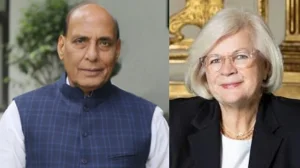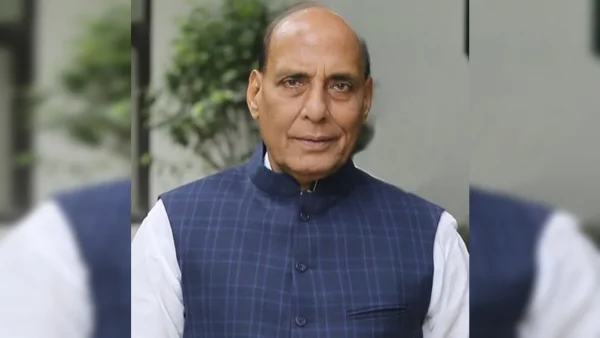
India’s defence minister has requested that France raise the amount of the Rafale fighter jets – 114 in all that are being planned to be bought – which are made in India, to as high as fifty per cent. This request happened during defence talks between the two nations in Bengaluru, and the ministers talked about working more closely with each other in industry and about strategic partnerships for the two countries.
Rajnath Singh wants more India-made parts in Rafale deal
Rajnath Singh asked the French minister to make the proportion of India-made parts in the Rafale deal as much as 50 percent. This request shows the increasing importance of policy relating to making more defence items inside the country, and of reducing depending on buying from abroad for important systems and parts of systems.
He also asked that, if it was possible, the engines for the jets should be made and repaired in India. Doing engine work in the country would help with getting skills across to people, with spare parts being available, and with quicker maintenance for the jet squadrons that are in use.
How the Rafale jets are being bought, and cost talks
The buying of the jets has passed a major step in the process when the Defence Acquisition Council said it was okay to buy the 114 Rafale jets. Talks about the price and the terms of the contract are expected to go quicker now that leaders of both countries have recently met at a high level. Any final deal will need the agreement of the Cabinet, and may have conditions about technology being passed on and about local content. Talks may also look at buying things at the same time, for example more normal submarines, in order to make the strategic balance and the navy’s abilities stronger.
Joint making of things, and a missile-making partnership
The talks between the two nations led to a memorandum of understanding to make Hammer precision-guided missiles in India, through a joint venture. The partnership puts the state-owned Bharat Electronics Limited with the French company Safran to make missiles in the country and to make the country’s ability to make munitions bigger.
This MoU is in line with the more general goals of making and jointly making defence equipment. Officials said that these goals were the most important for making complex manufacturing bigger, for making the possibility of selling to other countries, and for making the strength of the supply chain better.
A line to put helicopters together, and the effect on industry
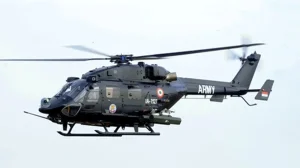
The two ministers were at the opening of a final assembly line for the H125 light utility helicopter, which has been set up by Tata Advanced Systems and Airbus at Vemagal, in Karnataka. The building was opened by top leaders on the internet and shows a real step in the joint making of aircraft in India.
The H125 project involves money being put in that is expected to be more than Rs 1,000 crore, and aims to make direct and indirect jobs. The first H125 made in India is planned to be given in early 2027 and is made to work at high altitudes, including for missions in the Himalayas.
Making strategic links stronger, and exercises
India and France made their defence agreement to work together for another ten years, and said they would put army officers in each other’s countries to make the armies work together better. Ministers talked about what was most important, such as making engines of the fifth generation and other long-term projects to make things together.
The French minister was pleased about the decision to make a military exercise which happened every two years, into one which happens every year, showing deeper working together in operations. All the industrial deals, exercises, and plans for buying things show a strategic partnership which is getting steadily bigger, covering jets, helicopters, missiles and submarines.
Conclusion
The push for up to 50 percent of the Rafale deal to be local content shows a bigger move toward making defence items in the country itself. If this happens, more Make-in-India content, engine work, and joint ventures could make the country’s industrial base bigger, make operational readiness better, and make chances to sell to other countries for India’s defence area.