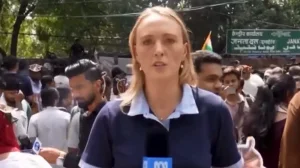
A social media post has sparked fresh debate over media ethics and the use of artificial intelligence in news reporting after alleging that NDTV aired edited and AI-generated videos to portray student protesters in a negative light.
The allegation, which has gained attention on X (formerly Twitter), claims that manipulated visuals were broadcast during coverage of a student protest. The post argues that such content, if authentic, could mislead viewers and unfairly influence public opinion about the demonstrations.
At the time of writing, the allegation circulating online has not been independently verified. NDTV has not publicly responded to the specific claim referenced in the viral post.
Growing Concerns Over AI in News Coverage
The controversy highlights broader concerns about the increasing use of artificial intelligence and digital editing tools in the media industry. As AI-generated images, videos, and audio become more sophisticated, media organizations face growing scrutiny over ensuring the authenticity and transparency of the content they publish.
Media experts have repeatedly emphasized that news organizations should clearly verify user-generated material before broadcasting it and disclose any digitally altered or AI-assisted content to maintain public trust.
Student Protests Remain a Flashpoint
Student demonstrations have frequently attracted intense public attention, with coverage often becoming the subject of political and social debate. In such situations, allegations of selective editing or misleading visuals can quickly gain traction online, amplifying questions about editorial standards and media responsibility.
Supporters of the protesters argue that accurate reporting is essential to ensure that public opinion is shaped by verified facts rather than manipulated content. Others have called for independent verification before drawing conclusions about the authenticity of the videos in question.
Importance of Verification
The incident serves as another reminder of the challenges posed by AI-generated media in the digital age. Experts recommend that viewers verify viral claims through multiple credible sources and wait for independent fact-checking before accepting allegations involving manipulated content.
As discussions continue online, attention is likely to remain focused on how news organizations authenticate visual material and whether additional safeguards are needed to protect the integrity of public discourse.
The Bottom Line
The viral allegation has reignited discussion about media accountability, AI-generated content, and editorial responsibility. However, until independent evidence is presented or official responses are issued, the claims remain allegations circulating on social media rather than established facts.