It was the passing of a boy from Malappuram that has put the state on edge. Arjav, of Pookkottur, was in Kozhikode for treatment when he succumbed to the infection. He had been in with fever and diarrhoea. It is the fourth time this year a life has been taken by the disease, as cases have been on the upswing with the rains.
Statewide picture and what we know
According to the Directorate of Health Services, 138 Shigella cases have been confirmed in Kerala as of June 14, with another 77 in the pipeline. June has seen 62 of the confirmed and 17 of the suspected. On the 14th, three new ones were put on the record.
Kozhikode is where the numbers are highest at present, says the state health department. “We have had six in Thiruvananthapuram, two in Kollam, three in Kozhikode and nine in Wayanad,” said State Health Minister K. Muralidharan, referring to the recent round of positives.
The child who died and earlier fatalities
On June 12, Arjav was brought in to the Kozhikode Government Medical College Hospital. The symptoms were fever and diarrhoea. Tests later turned up positive for Shigella. Even with the best of care, he did not make it and was pronounced dead on Monday. He is the third to be reported in June and the fourth of 2026.
Three other Shigella-related deaths have been tallied in the state so far this year. Back in March, a three-year-old in Kozhikode was the first. She was followed by a four-year-old in the same district. Then there was a 59-year-old woman; her case was only confirmed posthumously.
Why this outbreak worries experts
There is little to it: you can get sick from a tiny bit of the bacteria if your food or water is contaminated. It is very easy to catch. You will see the usual signs – cramps, fever, diarrhoea – and then the danger of dehydration. It is the very young and the elderly who are most at risk of a bad turn.
The monsoon makes for a greater chance of the water supply being compromised, which is a source of unease. In a school in Wayanad not long ago, an outbreak left more than 300 kids in need of hospital care, a reminder of how fast things can move.
Then there is the matter of treatment. With multi-drug resistant strains of Shigella making their way through India, doctors are having to be more careful. They are turning to lab work to be sure of which antibiotic will do the job.
Government response and on-ground measures
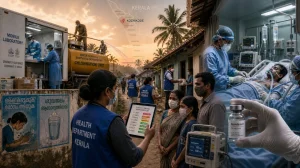
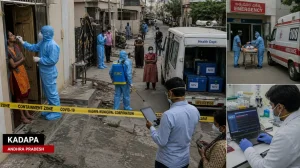
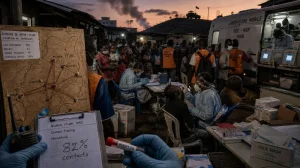
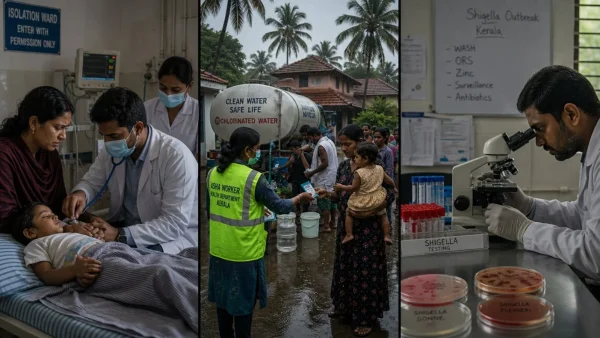
Containment is the order of the day. The Health Department and local bodies are out in the field with awareness and surveillance. Every hospital in the state has been made to understand that any case of suspicion must be put forward at once.
A Stop Diarrhoea campaign has been in place since early June. You will find oral rehydration and zinc tablets where they are needed. Chlorination of water sources has been ramped up and the wells at schools and other institutions are being looked into.
The Food Safety Department has been put on notice to be more of a presence at hotels and the like. And in places where infections have been found, local leaders have been told to take the lead on prevention.
How families can reduce risk
While the authorities are at it, there are some straightforward things a household can do to keep transmission down. The message from the top is to be mindful of hygiene and of what is put on the table. For the young and old, getting to a doctor early is the way to avoid trouble.
Health officials would have it no other way:
– Make sure to boil your water
– Soap and clean water for the hands, often
– Steer clear of food from places that don’t look right
– Don’t wait to be seen if there is a fever or an upset stomach
What comes next
The official line is that the situation is in hand, but a child’s death does rattle the community. Given the 138 confirmed and 77 unconfirmed cases we have seen to June 14, one has to be watchful for the rest of the rainy season.
The priority is to be had in safe water and sanitation, in reporting without delay, and in making sure those who are most in need of care are protected.